What Are the Uses of Cotton? A Comprehensive Analysis of Common Uses
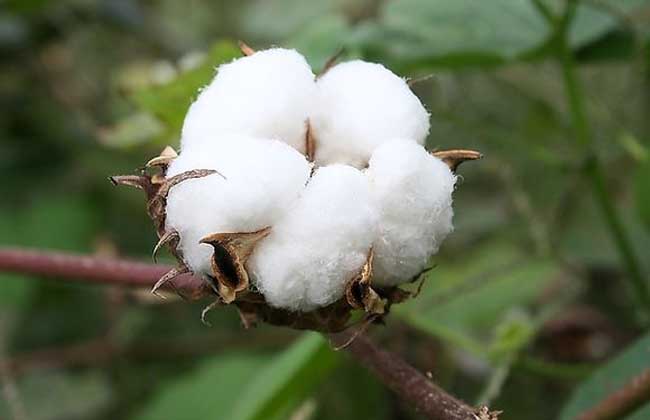
Cotton is an annual herbaceous plant of the genus Gossypium in the mallow family (Malvaceae). Both its main and by-products have high utilization value. As predecessors said, "cotton is a treasure from head to toe." It is not only the most important fiber crop, but also an important oilseed crop, a food crop rich in protein, as well as a raw material for textiles and fine chemicals and an important strategic material. Let us take a look below at what the uses of cotton are!
Textile Uses
Cotton fiber can be made into fabrics of many specifications, from light and transparent voile to thick canvas and thick plush, suitable for making all kinds of clothing, furnishing fabrics and industrial fabrics. It is strong and wear-resistant, can be washed and ironed at high temperatures, and feels comfortable to wear because it absorbs and releases moisture quickly. Through other finishing processes, cotton fabrics can also be made stain-resistant, waterproof and mildew-proof, improving the fabric's wrinkle resistance so that cotton fabrics need little or even no ironing, and reducing shrinkage during washing so that the shrinkage rate does not exceed 1%.
Oilseed Crop
Cottonseed is the seed of plants in the genus Gossypium of the mallow family, and its commercial importance lies in its oil and other products. Cottonseed oil is used for salad oil and cooking oil, and after hydrogenation is used as shortening and margarine. The cake residue or seed kernels left after oil extraction are used as feed for poultry and livestock. About 200 million gallons of cottonseed oil are used each year to produce foods such as French fries, butter and salad dressings.
Nectar Source Plant
Cotton has three types of nectaries: leaf vein nectaries, bract nectaries and flower nectaries. The leaf vein nectaries often secrete nectar before flowering. In the provinces of the middle and lower reaches of the Yangtze River, the flowering period of cotton is from late July to early September; in the provinces of the middle and lower reaches of the Yellow River, it is from early July to early August; **in Turpan it is from mid-July to early September. The main nectar flow period is about 40 days, and the optimum temperature for nectar secretion is 35°C.** In cotton areas, the honey yield per colony is generally 10-30 kg, with a maximum of 150 kg. In other cotton areas, because pesticides are frequently applied during the flowering period, bees are harmed too severely and the utilization value of the nectar source is greatly reduced, with the yield per colony generally 10-20 kg. Since the 1980s, the national cotton area has grown relatively quickly, and some provinces and regions have actively promoted biological control techniques, so it has become a major local nectar source in summer and autumn.
Medicinal Value
[Nature and Flavor] Sweet in taste, warm in nature, non-toxic.
[Functions] Stops bleeding. Treats hematemesis, bloody stools, metrorrhagia, bleeding from metal wounds and other conditions.
[Usage] Internal use: calcined to preserve its properties and made into a powder. External use: burned to ash and sprinkled on.
1. To treat hematemesis and bloody stools: cotton (burned to ash), bitter orange (Fructus Aurantii), musk. Take with rice water.
2. To treat metrorrhagia: cotton, charred human hair, straw ash, charred palm fiber, lotus flower center, angelica (Angelica sinensis), cogongrass flower, safflower, wrapped in mud and (burned) to preserve its properties, add musk, and take with wine.