Characteristics and Uses of Worm Castings: Getting to Know This Natural Organic Fertilizer
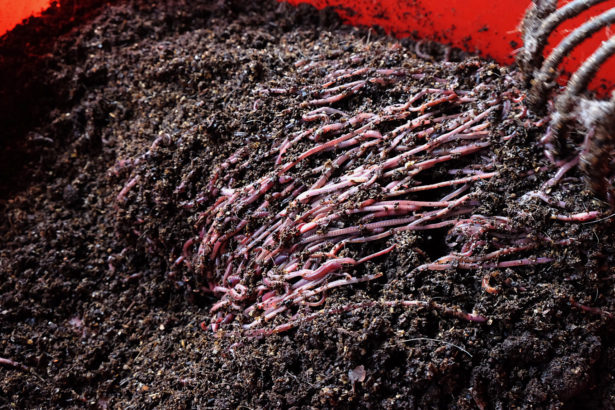
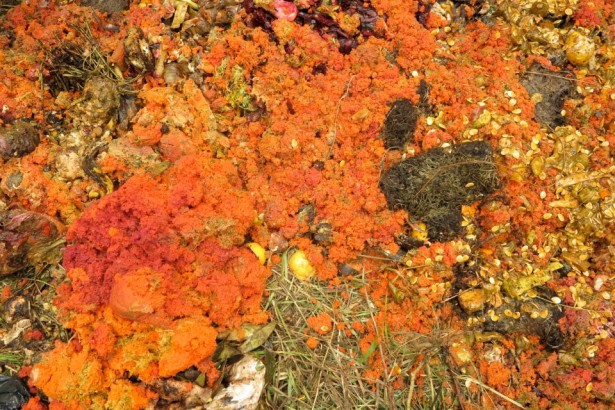
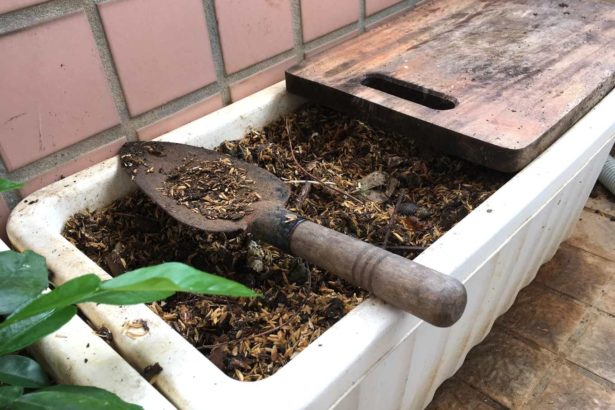
Worm castings are the excrement that earthworms release after swallowing soil, leaf litter, kitchen scraps and other organic matter. They are generally small, dark brown granules with a loose texture and almost no odor. Because this organic matter has been digested and broken down inside the earthworm's body, it is fairly well decomposed, so worm castings are often regarded as a mild natural organic fertilizer, and some people also call them vermicompost. Compared with ordinary compost, worm castings are fine-grained, retain water and allow air through well, and release nutrients slowly, so they are less likely to burn plant roots from overly high concentration. They are also rich in humus and beneficial microorganisms and can improve soil structure, turning compacted, hardened soil loose, which is why many home gardening enthusiasts use them as a supplementary material when raising seedlings or repotting. When using them, you can mix worm castings directly into potting soil, scatter them on the surface of the potting soil as a top dressing, or soak them in water and use the liquid drawn off the top for watering. When used as a seedling-raising medium, they are usually mixed in proportion with garden soil, coconut coir and the like, and are rarely used alone. Because their fertilizing effect is mild, applying small amounts more often is the safer approach. Besides buying finished worm castings, you can also raise earthworms at home using kitchen scraps and fallen leaves to make your own. When making your own, be careful not to add greasy or overly salty residues, and keep the moisture and ventilation at suitable levels. In addition, not all earthworms are suitable for local rearing; introducing exotic earthworm species at random may cause ecological impacts, so before starting to raise them you should first learn about the species suited to the local environment.
Related Reading