What are the functions and uses of earthworm farming?
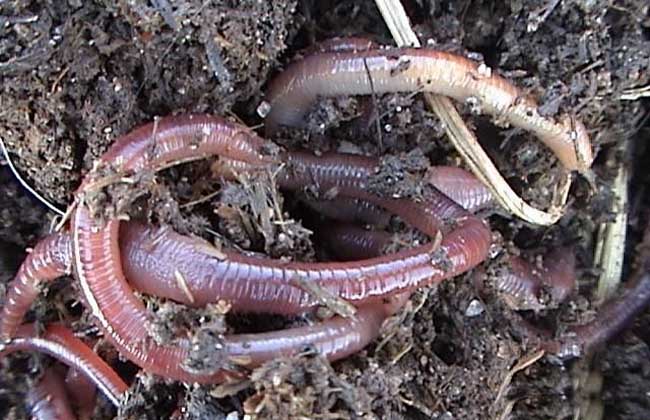
The earthworm is a general term for animals of the class Oligochaeta in the phylum Annelida, also known by other names such as dilong, qushan, jiancan, yinwu, quexing, hanxin, mingqi, dichong, diqiao, and so on. Biologist Darwin called it the most valuable animal on Earth. Used as medicine, it has the effects of clearing heat, calming the liver, relieving asthma, and unblocking collaterals, and its farming value is very high. Let us take a look below at the farming functions of earthworms!
As a Chinese medicinal material
The Chinese medicinal material earthworm, commonly known as dilong, is cold in nature and salty in taste, and has the effects of clearing heat, calming the liver, relieving asthma, and unblocking collaterals. It mainly treats high fever with mania, convulsions from wind fright, wind-heat headache, red eyes, hemiplegia, and so on. Its extract has a good effect of suppressing cough and relieving asthma, and its ash mixed with rose oil can treat baldness. The earthworm variety mainly suitable for farming as a Chinese medicinal material is Pheretima aspergillum, which is relatively large, 120 to 400 mm long and 6 to 12 mm in diameter, with a purple-gray back, a darker rear part, and slightly white setal rings. It prefers the climate of the south, China and feeds on fertile soil.
Biological fertilizer
Earthworm castings are a very good biological fertilizer, rich in nitrogen, phosphorus, potassium, humus, organic matter, and trace elements needed by crops such as magnesium, boron, nickel, and manganese. They are a cheap and efficient fertilizer for fruits, flowers, vegetables, and nurseries. The earthworm varieties mainly used as biological fertilizer include Metaphire californica, with a body length of 80 to 150 mm and a diameter of 2.5 to 5 mm, a gray or chestnut-colored middle back, a light green rear part, and no setae on the ventral surface. It prefers the climate of the south, China and lives in fertile vegetable plots and sweet potato fields, loosening the soil and producing castings, with a relatively good effect of fertilizing the field.
Aquatic bait
Earthworms are rich in protein, fat, and carbohydrates, with a crude protein content as high as 72%, and contain amino acids, vitamins, and trace elements needed by the human body. They can not only be used as animal feed and for producing medicines and cosmetics, but can also be eaten by people. Representative earthworm varieties used as aquatic bait include Pheretima hupeiensis, and so on. This variety is 70 to 220 mm long and 3 to 6 mm in diameter, grass-green over the whole body, with a purple-green or dark green dorsal midline, often with a red dorsal blood vessel, a gray ventral surface, and often a sapphire-blue fluorescence in the body cavity at the tail. It has three clitellar segments, milky yellow or brownish yellow, prefers moist environments, and is suitable for living in relatively moist soil in ponds, pools, and by rivers. It survives for a long time in water and does not pollute water quality.