What is the difference between bloodworms and earthworms? A quick guide to telling them apart
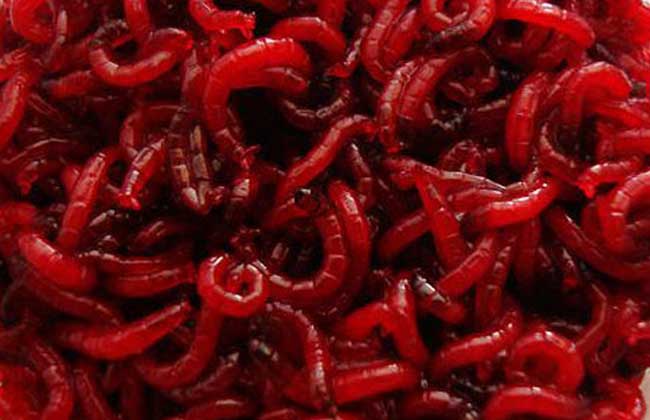
The scientific name of the bloodworm is chironomid larva, one of the main groups of benthic animals in freshwater waters, and its individual numbers are often extremely numerous. Earthworm is the general term for animals of the class Oligochaeta in the phylum Annelida, a common terrestrial annelid; more than 2,500 species of earthworms are currently known, and the biologist Darwin called them the most valuable animals on Earth. Let us take a look below at the difference between bloodworms and earthworms!
The difference in family and genus between bloodworms and earthworms
1. Bloodworm: The bloodworm belongs to the animal kingdom, phylum Arthropoda, subphylum Mandibulata, class Insecta, order Diptera, family Chironomidae, and is the larva of the chironomid midge.
2. Earthworm: The earthworm belongs to the animal kingdom, phylum Annelida, class Clitellata, subclass Oligochaeta, order Haplotaxida, suborder Haplotaxina, and is the general term for annelids.
The morphological difference between bloodworms and earthworms
1. Bloodworm: The bloodworm is a cylindrical worm-like creature with a slender body, 2-30 mm in total length. It consists of a head capsule and 12 body segments; the first 3 body segments are thoracic segments, and the last 9 body segments are abdominal segments. The body segments are similar in thickness, with little difference in appearance. The body color is pale; some species have a blood-red body because their body fluid contains hemoglobin.
2. Earthworm: The earthworm has a cylindrical body with bilateral symmetry and segmentation, consisting of more than 100 body segments; after the eleventh segment, each segment has a dorsal pore at the center of its back. It has no skeleton and is an invertebrate, covered on the body surface with a thin pigmented cuticle; except for the first two body segments, all the remaining segments have setae.
The difference in feeding habits between bloodworms and earthworms
1. Bloodworm: Bloodworms mostly feed on organic matter in the water; in water bodies with silt or rich organic matter, they can multiply in large numbers because of the lack of natural enemies such as fish and shrimp. Apart from certain plant-eating species in the genus Cricotopus, the remaining species can be divided into two major groups, carnivorous and omnivorous; carnivorous species feed on crustaceans, oligochaetes and other chironomid larvae, while omnivorous species feed on bacteria, algae, aquatic plants and small animals.
2. Earthworm: The earthworm's body can secrete a special enzyme capable of breaking down protein, fat and lignocellulose; tree leaves, rice straw, livestock and poultry manure, household garbage, activated sludge and the scraps of the papermaking and food industries can all be its food, and it can eliminate environmental pollution to a certain extent.
The difference in function between bloodworms and earthworms
1. Bloodworm: Bloodworms play a significant role in accelerating the mineralization of organic matter in the material cycle of water bodies and in eliminating organic pollution; they are widely used in the fields of ecology and environmental science, and are also an excellent natural bait for fish with very high nutritional value, so they are closely related to the fish-farming industry.
2. Earthworm: In Chinese medicine the earthworm is called dilong; it is cold in nature and salty in taste, and its functions are to clear heat, relieve spasms, stop wheezing and promote urination. It mainly treats high fever with mania, convulsions, headache with red eyes, wheezing with phlegm-heat, stroke, hemiplegia and other conditions; it is a commonly used Chinese herbal medicine in the treatment of urinary tract infections such as prostatitis caused by downward flow of damp-heat, and the liquid extracted from it has a good effect on calming cough and relieving wheezing, while its ash mixed with rose oil can treat baldness.