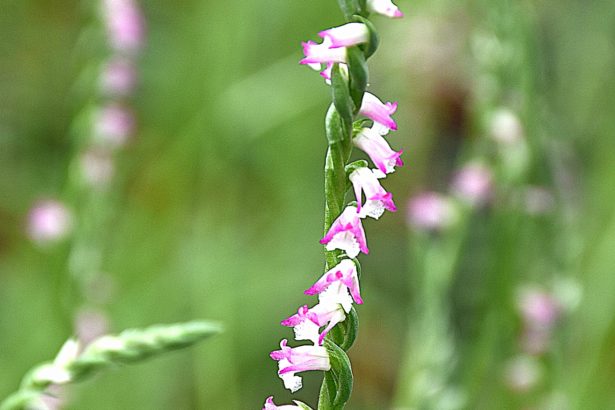
Derris contains rotenone and is traditionally used for fishing and as an insecticide
Derris is a woody climbing plant in the genus Derris of the legume family (Fabaceae), named for the rotenone in its roots, which can paralyze and kill fish. Its slender stems and vines can climb, its leaves are pinnately compound, it bears pale pink or white pea-like flowers, and it produces flat pods. It mostly grows along the coasts of South China, in estuary wetlands and at the edges of mangroves, and can also be seen along the coast of Taiwan, China.
Rotenone is a natural insecticidal compound derived from plants. It is extremely toxic to fish, and also has contact and stomach-poison effects on common pests such as aphids, cabbage caterpillars and mites. In the past, fishermen would crush the roots of derris, throw them into streams or shallows to anesthetize schools of fish, and then catch them; today this practice is restricted in many places. In agriculture, rotenone is processed into plant-derived insecticides; because the ingredient comes from plants and degrades relatively quickly in the environment, it is often regarded as a reference option for organic control.
Special care must be taken when using it: rotenone is highly toxic to fish, shrimp and other aquatic organisms, so application should be kept away from water sources to prevent the spray from flowing into fish ponds, rice-fish paddies or natural waters. Operators should also take protective measures to reduce the chance of inhalation and skin contact, and follow product labels and local regulations.
Similar to derris are species such as the hairy derris, whose roots contain a higher rotenone content and which was once widely cultivated as a raw material for insecticides. As a legume, it also shares with many of its relatives the trait of forming symbiosis with rhizobia, contributing to some extent to soil nitrogen. Overall, derris is both a memory of traditional fishing culture and one of the raw materials for plant-derived pesticides, but because of its risks to aquatic ecosystems, regulations should be understood before contact or use.
Related Reading