What Pangolin Scales Are Used For and an Interpretation of Their Conservation Status
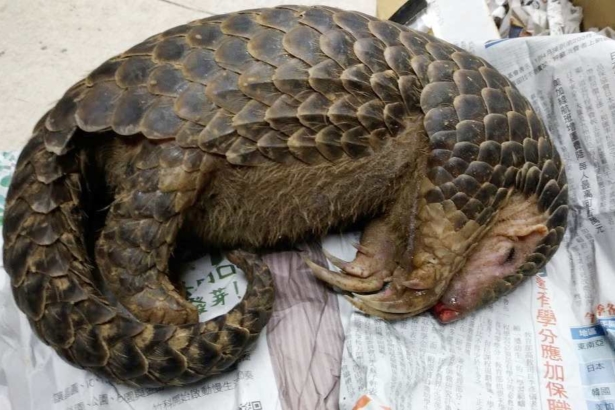
Pangolin scales are a layer of keratinous structures covering the body surface of pangolins, composed mainly of keratin, essentially the same substance as human fingernails. The scales are tightly arranged in an overlapping, tile-like pattern; when a pangolin is in danger, it curls up into a ball and relies on its hard scales to protect its body, which is also its most striking feature.
Historically, pangolin scales were used as a medicinal material in traditional medicine, with folk claims that they promote menstruation and lactation, reduce swelling and discharge pus. But in terms of composition, the main substance in the scales is simply keratin, with no essential difference from sources such as pig trotter nails, and the so-called special effects lack sufficient scientific evidence.
It is particularly important to note that the pangolin is now a critically endangered animal worldwide, and in China it has been upgraded to a national first-class protected wild animal, with international trade also fully banned. Catching, buying, selling, transporting and eating pangolins and their scales are all illegal acts, and as protection efforts continue to strengthen, the scales have gradually been removed from medicinal standards.
For medicinal needs, keratin sources such as pig trotter nails can now serve as substitutes, with no need to rely on pangolin scales. No trade, no harm: only by refusing to buy and use pangolin products can this solitary ant-eating animal continue to survive in the wild.
Related Reading