Mastering the Timing and Methods of Cherry Tree Pruning
Pruning cherry trees is an important measure in cherry cultivation and management, referring to the removal and adjustment of branches so that the canopy structure is rational and has good ventilation and light penetration. Proper pruning can concentrate nutrient supply, promote flower bud differentiation, give the fruit better color and better quality, and also help reduce the occurrence of pests and diseases.
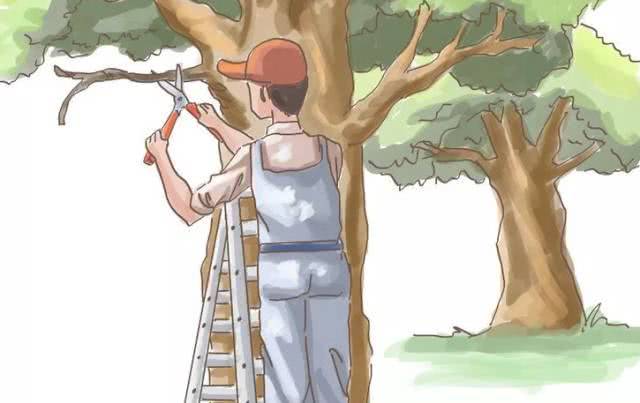
Pruning time is generally divided into two stages: winter pruning and growing season pruning. Winter pruning is mostly carried out during the dormant period from after leaf fall to before bud break, with the focus on removing diseased and pest-infested branches, crossing branches and overly dense branches, and adjusting the framework structure of the main and lateral branches; growing season pruning mainly uses techniques such as pinching, branch bending and bud removal to control excessive growth of new shoots and moderate tree vigor.
Common techniques include heading back, thinning, renewal pruning and leaving branches unpruned, and they need to be used flexibly according to tree age. Young trees focus mainly on shaping, paying attention to developing an open tree form and expanding the canopy as quickly as possible; after entering the full fruiting stage, the relationship between growth and fruiting should be balanced, and fruiting branch groups should be renewed in time; for weaker branches, they can be appropriately left unpruned to encourage the formation of flower buds.
It should be noted that cherry trees have a relatively weak ability to heal wounds, and excessive pruning can easily cause gummosis, so the amount pruned each time should not be too large, and light pruning should be carried out in stages. Pruning tools should be sharp and disinfected in advance, larger cuts should be smoothed and coated with a protectant, and operations should be avoided on rainy days as much as possible to help the wounds heal as quickly as possible.
Related Reading