How to prune plants before spring warms up? A detailed guide to pruning methods for various flowers
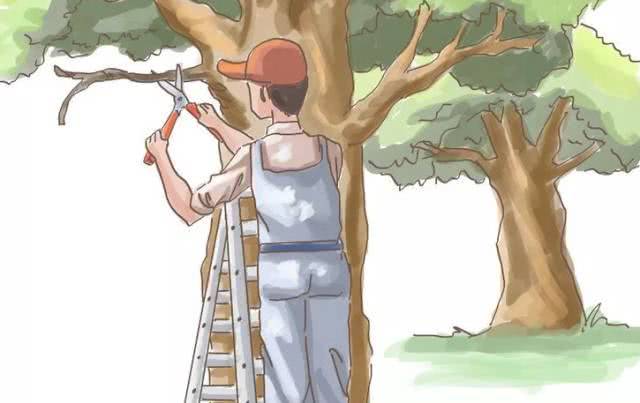
Many flowering shrubs, roses and other plants in winter dormancy should be pruned, and this can be done before plants resume growth in spring.
Pruning during the plant's dormant period will not destroy the plant; cutting off dead branches not only maintains a good plant shape, but also promotes branching and flowering.
I. Pruning deciduous shrubs and trees
1. Cut off all the dead branches on the tree, including some dying and weak-growing branches. This practice not only improves the plant's ability to absorb light, but also gives the plant better air circulation and better growth.
2. For ornamental shrubs in the yard, cut off the low branches and keep the higher branches, just like common landscape maintenance.
3. Once the branches at the top of the canopy have grown tall enough, cut them off to prevent the shrub from growing too tall. The same applies to potted plants grown by gardening enthusiasts; cutting off the top can promote branching and control the height of the plant shape.
4. Clean up fallen leaves on the ground in time. If the fallen leaves are diseased or pest-infested, be sure not to use them for composting.
5. Cut off withered and damaged branches in time so the plant grows more luxuriantly and robustly. Potted flowers should also have spent and withered leaves cleaned up in time; do not leave them in the pot.
6. For shrubs that do not bloom in spring, you can prune in spring, and the cut stems can be used for cuttings propagation.
7. For potted plants, once they grow to about 15 cm, they should be topped once (pinch off the terminal bud to promote branching). When plants are young, they should be pruned more.
II. Points to note when pruning roses
1. There is also particular care in choosing the time to prune roses. The most conservative approach is after the last frost of winter, which avoids frost damage in winter. At this time narcissus are also blooming one after another, and the soil is warming up.
2. The scissors or knife used to prune roses must be sharp, and it is best to disinfect them with fertilizer water, candle flame or chemicals before use.
3. More flower buds are not always better for roses; sometimes some new buds need to be removed appropriately so the rose flowers grow more brilliantly.
III. Pruning shrubs and flowering plants
1. Maintain the spacing of the pruned plant. Prune appropriately where branches and leaves are too dense; otherwise it easily leads to small leaves and an inability to produce flowers. Proper pruning also maintains a beautiful shape.
2. Cut off roots that cross or coil above the soil surface; this benefits the plant's later growth.
3. Prune potted shrub flowers once they grow to 15-20 cm, then prune again when the branches grow to 10-20 cm, and so on.
Note:It is crucial to disinfect pruning tools well. Do not neglect these details. If you do not want to bring any bacteria or disease to your plants, wipe them with rubbing alcohol, soak them in a bleach-and-water mixture, or pass them briefly through a flame.