How to Grow Cherry Tomatoes: Tips and Techniques for a Bountiful Harvest in Balcony Containers
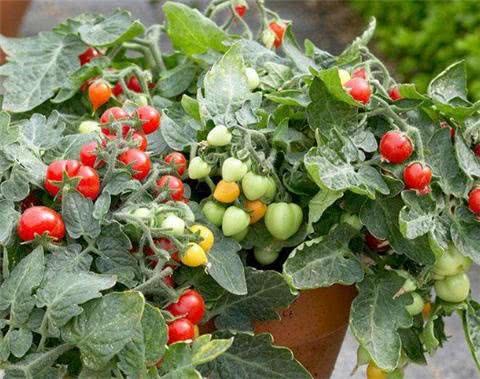
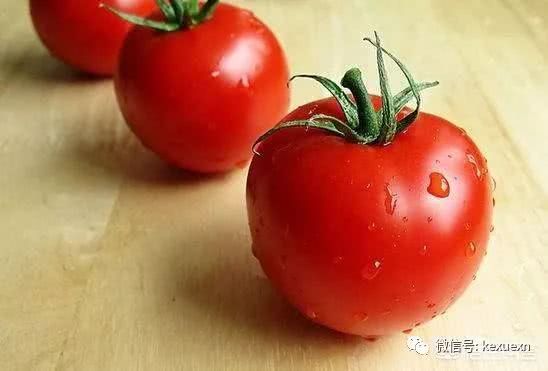
Cherry tomatoes, also known as or cherry tomatoes, are a small-fruited type of the common tomato. The fruits are small and have a sweet, crisp taste, and they can be eaten both as a vegetable and as a fruit. Because the plants are relatively compact and have a long fruiting period, cherry tomatoes are very suitable for growing in home environments such as balconies and courtyards, and they are one of the container vegetables many households enjoy growing.
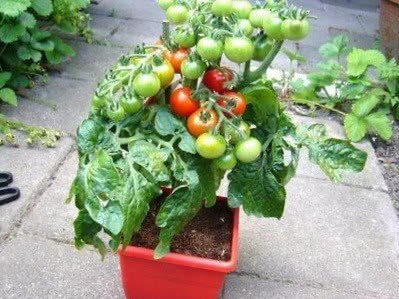
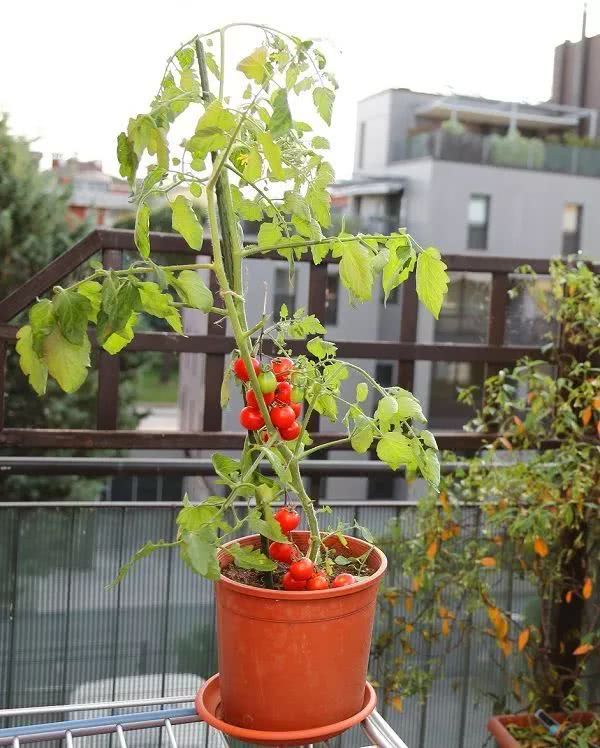
Growing cherry tomatoes generally starts with raising seedlings. After sprouting the seeds, sow them into loose, fertile seedling soil, and transplant once the seedlings have grown several true leaves. When growing in containers, choose a deeper pot to ensure the roots have enough room to spread, and it is best if the bottom has drainage holes to avoid waterlogging that can cause root rot.
In daily care, sunlight is the key to fruiting in cherry tomatoes, and they should receive plenty of direct sunlight every day; insufficient light easily leads to leggy growth and few flowers. Watering should follow the principle of letting the soil dry before watering again. After entering the fruiting stage, water demand increases, but avoid alternating drought and flooding, as this can easily cause fruit cracking. During the growing period, additional fertilizer can be applied appropriately, mainly nitrogen in the early stage, and after flowering and fruiting, increase phosphorus and potassium fertilizer, which helps fruit set and color development.
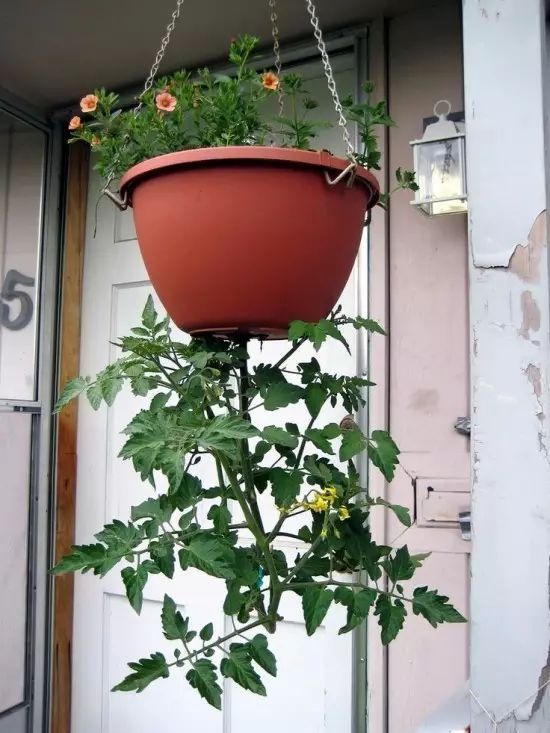
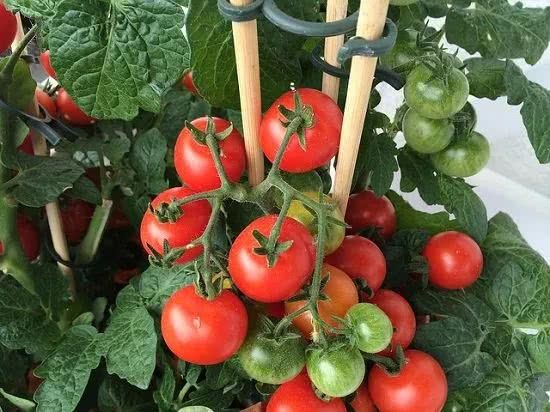
Cherry tomato plants grow quickly. After the vines reach a certain height, they need stakes and tying or suspension strings for support, and the side shoots in the leaf axils should be removed promptly so that nutrients are concentrated on the main stem for fruiting. Common problems in home growing include flower and fruit drop, leaf curl, and pests such as aphids and whiteflies, which can be prevented by improving ventilation, controlling watering, and checking the plants regularly. Overall, as long as there is enough light and proper water and fertilizer, cherry tomatoes can continue to flower and fruit over a long harvest period, offering both ornamental value and food.
Related Reading