This condition in tomatoes, cucumbers, and lettuce is caused by boron fertilizer overdose, leading to toxicity.
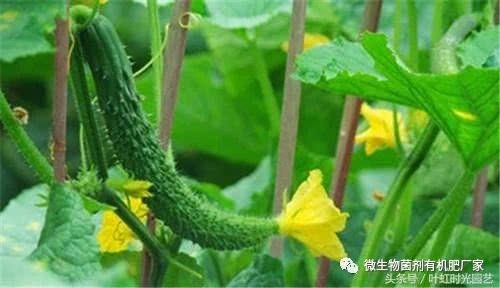
Boron is an indispensable trace element for crop growth. Many boron-sensitive plants, such as tomatoes and cauliflower, will grow poorly, or even suffer reduced yields or total crop failure, when planted in boron-deficient soil!
But too much boron will likewise cause toxicity, generally shown as yellowing or scorching of the leaf margins on the middle and lower leaves, with brown spots or blotches on the leaf surface. Let's look at the specific symptoms of excess boron on these 3 common vegetables and how to solve it!
Symptoms of excess boron:
Tomato:Burned-looking brown necrotic spots appear on the leaf margins and part of the leaf blade of the middle and lower older leaves, and spread from the lower leaves upward in turn; in severe cases the whole plant dies.
Cucumber:The margins of the middle and lower leaves turn golden yellow, brown spots sometimes appear on the leaf surface, the growth of the terminal bud is inhibited, and in severe cases it turns brown and dies.
Lettuce:The leaf margins of the middle and lower leaves lose their green color and turn yellow, and white or brown spots appear; in severe cases the leaf margins scorch and split, and the veins turn dark brown.
Solutions:
To prevent and control excess boron, lime can be used to solidify and reduce boron activity, easing boron damage. In drought, the availability of boron decreases, so when too much boron has been applied, watering should be controlled; this can reduce the movement of available boron, avoiding and easing boron toxicity and root rot.