A Detailed Guide to Planting Methods and Daily Care Points for Dendrobium officinale
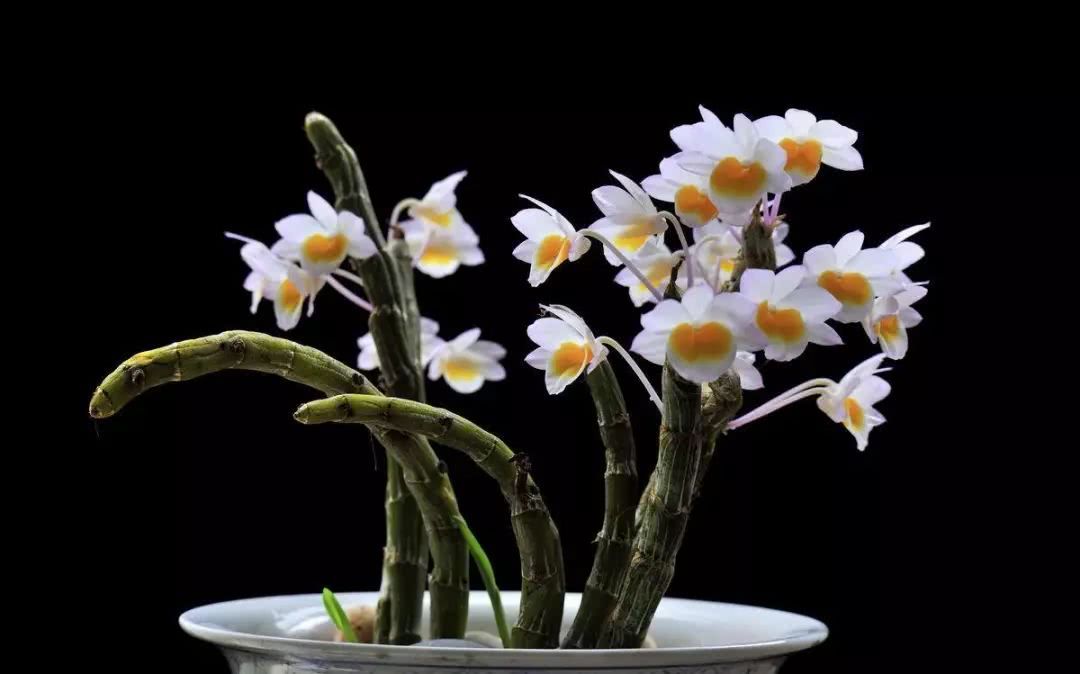
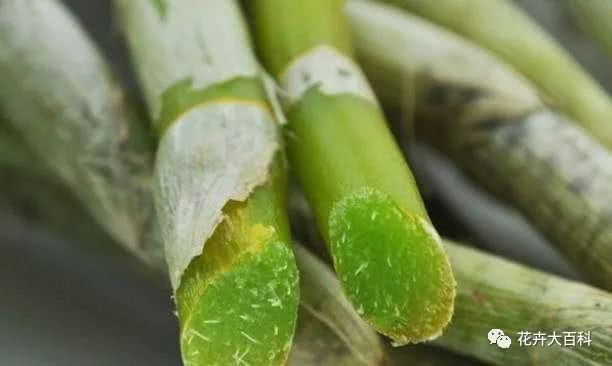
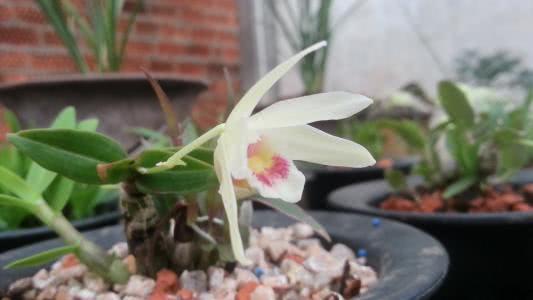
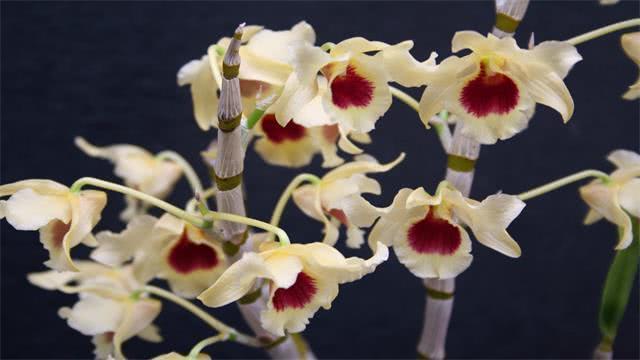
Dendrobium officinale is a perennial epiphytic herb in the orchid family (Orchidaceae), genus Dendrobium. It gets its name because the surface of its stems is often iron-green. It is both a traditional medicinal plant and can be grown as an ornamental flower. It likes a warm, humid, well-ventilated, semi-shaded environment, is not tolerant of direct strong light, and is not tolerant of severe cold. In the wild, it mostly grows attached to tree trunks or rocks. Understanding these habits is the foundation for growing Dendrobium officinale well.
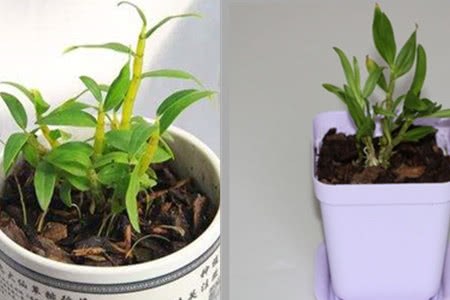
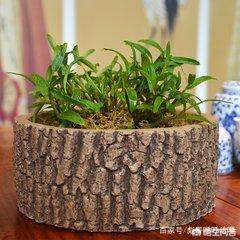
When planting Dendrobium officinale, the choice of growing medium is very important. Ordinary garden soil is generally not used; instead, loose, breathable materials such as bark chunks, sphagnum moss, crushed brick, and humus are mainly used. It can be grown in pots or wooden frames, or tied to tree trunks or dead wood for imitation-wild cultivation. When planting, the root system should be spread out naturally, and the medium should not be pressed too firmly, ensuring that the roots can both absorb water and breathe.
In daily care, light and water need to be handled with particular attention. In spring and autumn, sufficient scattered light can be provided; in summer, pay attention to shading to avoid sunburn on the stems and leaves. Water according to the principle of watering when dry and letting dry between waterings, keeping the medium moist but not waterlogged. When the air is dry, mist around the plant to increase humidity. During the growing season, appropriately apply diluted liquid fertilizer, using light but frequent fertilizing, which helps the stems become thick and the plant grow vigorously.
Dendrobium officinale grows relatively slowly, and problems such as shriveled stems, yellowing leaves, and weak growth are likely to appear during care. Most of these are related to improper watering, overly strong light, or poor ventilation. Once discovered, environmental conditions should be adjusted promptly. As long as the links of medium, light, water, and fertilizing are well controlled, home cultivation can also let Dendrobium officinale grow healthily; it can be enjoyed ornamentally and, after the stems mature, harvested for use.
Related Reading