Dendrobium propagation tips: learn this one trick and new shoots will grow nonstop
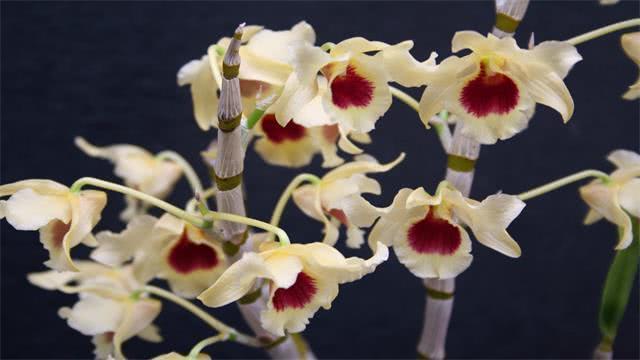
Seed propagation: Dendrobium seeds have a very low germination rate and need artificial cultivation after sowing. Division propagation: choose healthy, vigorous plants, divide them into several plants according to the number of stems, and plant the divided plants. Cutting propagation: choose healthy, vigorous plants and transplant them after aerial roots grow. Keiki propagation: once a keiki becomes a small plantlet, it can be cut off and planted.
1. Seed propagation
Its seeds are very small, with about 20,000 seeds in a single fruit; they are yellow and powdery in form, and generally do not germinate. They can germinate only under conditions of rich nutrients, suitable temperature and humidity, and suitable light, and generally require artificial cultivation. Although it produces a great many seeds, its germination rate is very low.
2. Division propagation
Carry this out in spring or autumn, preferably at the end of March or the beginning of April before it sprouts. Choose healthy, vigorous 1- or 2-year-old plants with many rhizomes, pull them out of the soil, remove the withered yellow branches and leaves and broken stems, keep about 3 cm of the roots, cut off the excess roots with scissors, divide them into several plants according to the number of stems, making sure each plant has 4 to 5 stems, and plant the divided plants.
3. Cutting propagation
Carry this out in spring or summer, preferably in May or June. Choose healthy, vigorous 3-year-old plants, select plump stems, leave 4 to 5 nodes on each section, about 15-25 cm, and insert them in river sand, just making sure the stems do not fall over; wait until the buds on the stems grow out and aerial roots form, then they can be moved elsewhere for planting.
4. Keiki propagation
Carry this out in spring or summer, mostly in summer. Choose 3-year-old or older plants; each year's stems must have axillary buds, also called keikis, and have aerial roots and be able to become small plantlets. When the small plantlets grow to 5 to 7 cm, they can be cut off and planted.