Dendrobium cultivation and management methods: teaching you to grow dendrobium that is both beautiful and useful
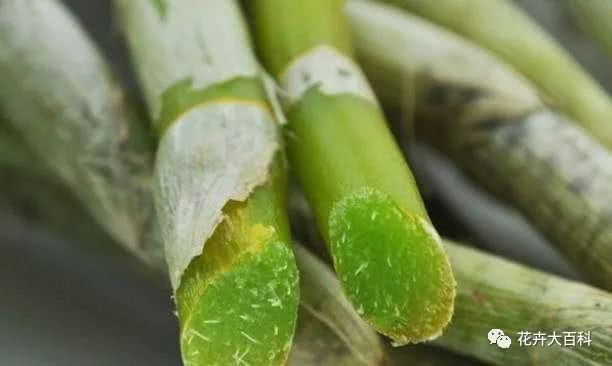
Dendrobium belongs to the orchid family (Orchidaceae) and is native to Australia, later introduced to various parts of the world. As we all know, dendrobium is a natural edible medicinal herb. Dendrobium contains beneficial compounds such as dendrobine that are good for the human body, and has effects such as nourishing stomach yin and promoting fluid production to quench thirst. After being sun-dried, dendrobium can be cut into sections and used to brew tea or stew chicken soup. Dendrobium is not only edible and health-promoting but also an excellent potted ornamental plant. Below, let's look at the cultivation methods for potted dendrobium from five aspects~
Dendrobium after being cut into sections
Soil selection
Since dendrobium has aerial roots and a shallow root system, potted dendrobium has the following requirements for its growing medium: it should be soil that does not easily mold, is loose, fertile, well-draining, pathogen-free, and free of hidden pests. You can choose mountain stone, sphagnum moss, peat soil, crushed brick, wood shavings, board edges, sawdust, etc. as the transplanting medium, and they are usually used in combination.
Potted dendrobium
Temperature control
The suitable temperature for dendrobium is between 15-30°C. When the temperature drops below 5°C, dendrobium will enter a dormant state or suffer frost damage. When the weather is hot and the temperature is relatively high, it should be placed in a cool, ventilated spot. If the outdoor temperature is relatively low, it should be moved indoors in time and measures taken to keep it warm.
Dendrobium
Light management
In the wild, dendrobium grows on rock walls in damp, shady mountain forests, so when cultivating it, it is best to place it somewhere with diffused light and not let it be exposed to direct strong light. If the temperature is relatively low in winter, move it indoors to a spot with light. Only in this way will it grow better and avoid frost damage.
Dendrobium growing on a rock wall
Fertilizer supply
Dendrobium has low fertilizer requirements; it will still grow well without fertilization. If you want dendrobium to bloom quickly, fertilization is a must. Farmyard manure can be used for fertilizing, and fertilization should be stopped when it enters the dormant period.
Watering methods
Dendrobium likes a humid environment, so it should be watered appropriately, and the degree of watering must be well controlled. If watered excessively or too much, root rot will occur, which is not only unfavorable for its better growth but also affects its normal growth. Therefore, watering should be appropriate, and when watering, it should be thoroughly watered in one go.
Dendrobium can also grow on trees
Finally, the flower language: to grow dendrobium better, promptly remove pests and diseases, clean up diseased leaves thoroughly, and also strengthen ventilation, which can greatly reduce the chance of pests and diseases.
This is the Flower Encyclopedia, for those who love life and love flowers
The world of flowers is our yearning for a beautiful life
In ordinary, uneventful days, let the world of flowers bring you a happy good mood every day
Sharing flower-growing experience every day; friends who love flowers and grow flowers, remember to follow us~