Characteristics of the Sago Palm and How to Care for It: Keeping a Homegrown Sago Palm Evergreen All Year Round Is Not Hard
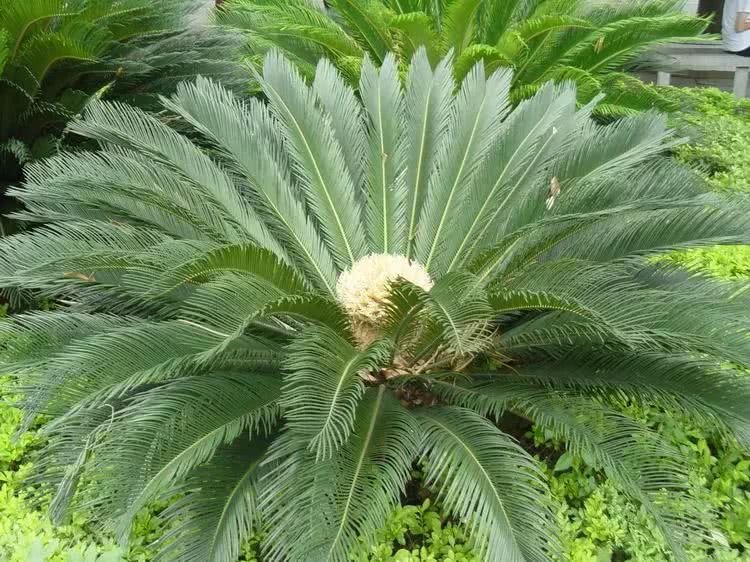
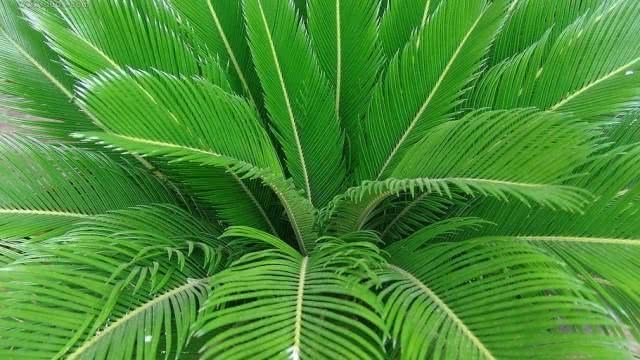
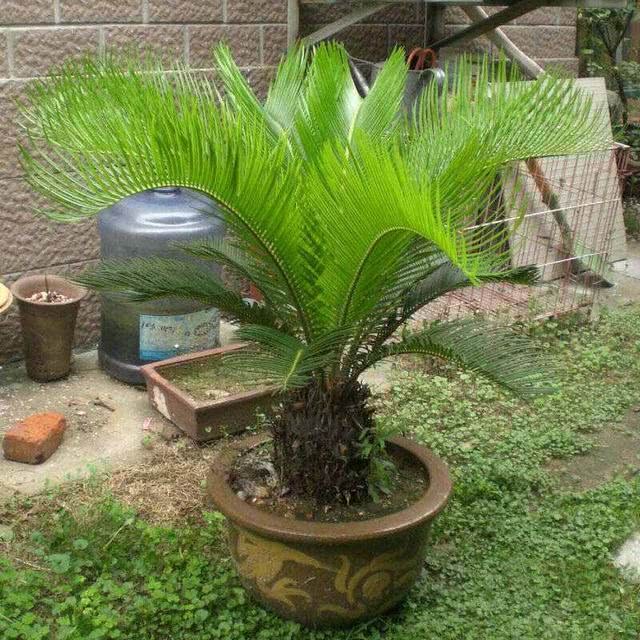
The sago palm, commonly known as the iron tree, is an evergreen plant of the genus Cycas in the family Cycadaceae. Its trunk is thick and cylindrical, and its leaves are pinnately compound, hard in texture and green throughout the four seasons. It mostly grows in tropical and subtropical regions and is widely cultivated in southern China, commonly seen in courtyard landscaping, park scenery and home potted ornamental display.
The sago palm grows slowly and has a long lifespan. It likes a warm, humid environment with plenty of sunlight and has a certain drought tolerance, but it is not tolerant of waterlogging or severe cold. When planting, it is best to choose loose, fertile, well-drained sandy soil. If light is insufficient for a long time, the leaves tend to become thin and weak, and new leaves turn yellow.
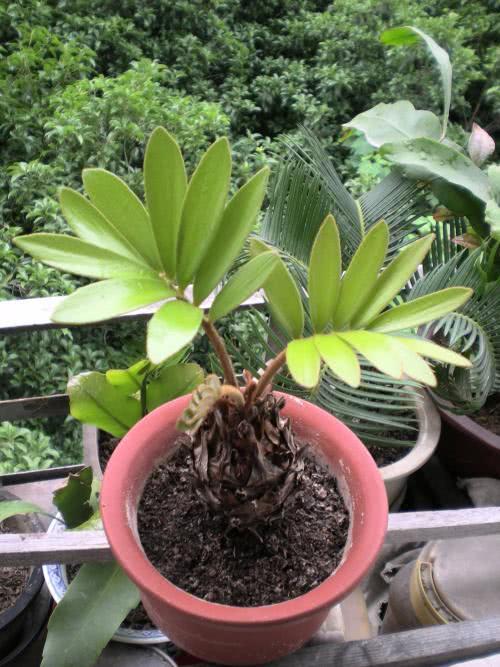
Other commonly cultivated species include Cycas rumphii, Cycas siamensis and Cycas pectinata, which differ slightly in leaf shape and plant form, though their care methods are broadly similar. Some people on the market also call certain similar-looking species Mexican iron tree; when buying, pay attention to the differences in names and leaf forms.
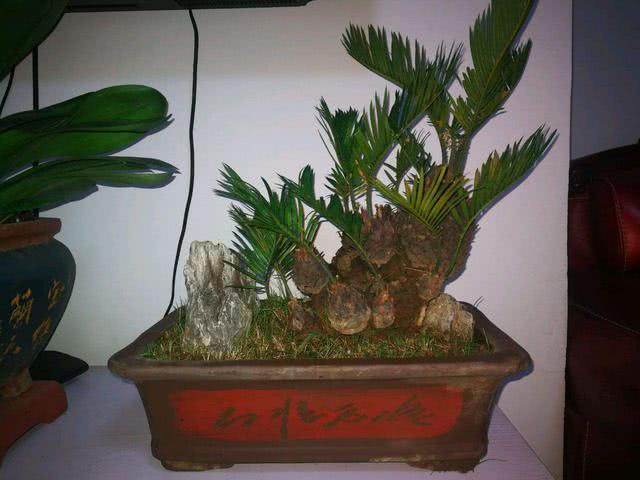
In daily care, pay attention to controlling watering to avoid long-term dampness of the potting soil causing root rot. During the growing season, a thin fertilizer may be applied as appropriate, while in winter, cold protection and warmth must be provided. The sago palm has dense green, upright leaves and strong ornamental value; it is suitable both for accenting a courtyard and for pruning and shaping into a bonsai.
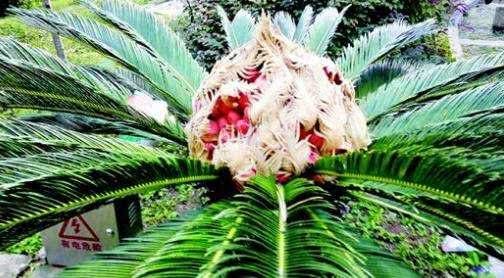
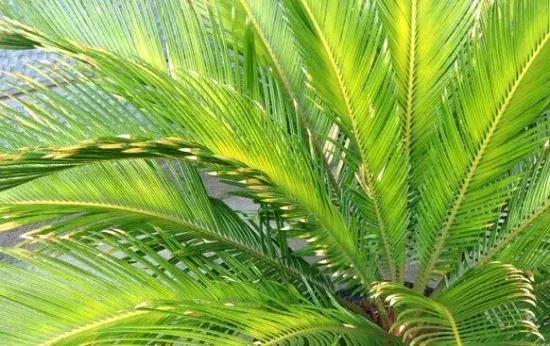
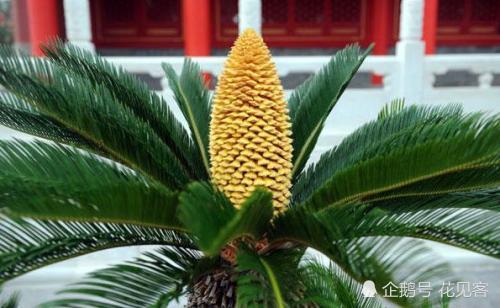
Many flower enthusiasts are concerned about the sago palm flowering and yellowing leaves. Flowering of the sago palm has high requirements for temperature and tree age, and it is rarely seen in northern regions, which is a normal phenomenon. Yellowing leaves are mostly related to overwatering, insufficient light, lack of fertilizer or poor ventilation. Once the cause is identified and the care method adjusted, the sago palm can gradually recover its glossy green.
Related Reading