Don't Rush to Rescue Yellowing Sago Palm Leaves - Watch These 5 Points for Year-Round Green Growth That Fills the Pot
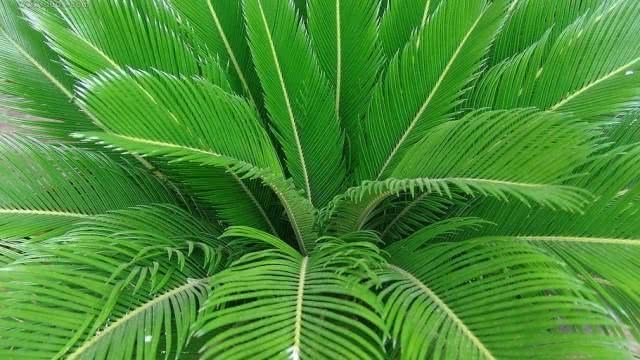
There are many reasons for yellowing leaves on a sago palm. If it is caused by alkaline soil, you can water it with a ferrous sulfate solution; if it is caused by unsuitable lighting, you need to promptly supplement or block light; if it is caused by improper watering, make sure to water once in the morning and once in the evening during summer, and once every 10 days in winter; if it is caused by improper fertilizing, you need to fertilize scientifically, applying light fertilizer frequently.
1. Acidic Solution
Cause: Sago palms need a slightly acidic environment for growth. If the soil is on the alkaline side, it will cause the plant's leaves to turn yellow.
Solution: You can choose a 500-fold diluted ferrous sulfate aqueous solution or other weakly acidic substances to water and spray, doing this once a week. After watering several times, you can gradually see results.
2. Sufficient Light
Cause: Insufficient light leads to inadequate nutrients during the growing period, causing leaves to shrivel and turn yellow.
Solution: When sunlight is abundant, expose the plant to indirect light. Do not keep it growing in semi-shade or full shade all the time.
3. Proper Watering
Cause: Both overwatering and underwatering can cause leaves to turn yellow. If overwatered, it will cause root oxygen deprivation and rot, resulting in stunted growth, stiffening, and yellowing; if underwatered, the plant will turn yellow from the bottom up and from old leaves to new leaves due to lack of water.
Solution: Control the amount when watering. In summer, water once in the morning and once in the evening when water is lacking; in winter, water about once every 10 days.
4. Scientific Fertilizing
Cause: Both over-fertilizing and under-fertilizing can cause leaves to turn yellow.
Solution: When fertilizing, use a lower concentration and apply light fertilizer more frequently. If the concentration is too high or you fertilize too often, promptly stop fertilizing and water the plant; if you fertilize too infrequently, and the young leaves start turning yellow, pay attention to supplementing fertilizer, but do not apply strong fertilizer.
5. Pest and Disease Control
Cause: Pests and diseases such as red spider mites, scale insects, and yellow spots and yellow dots on leaves can also cause the plant's leaves to turn yellow.
Solution: Remove the diseased leaves, then promptly spray with pesticides such as carbendazim to sterilize.