Is it hard to get a sago palm to flower? Learn to care for it this way, and lush green leaves are easy
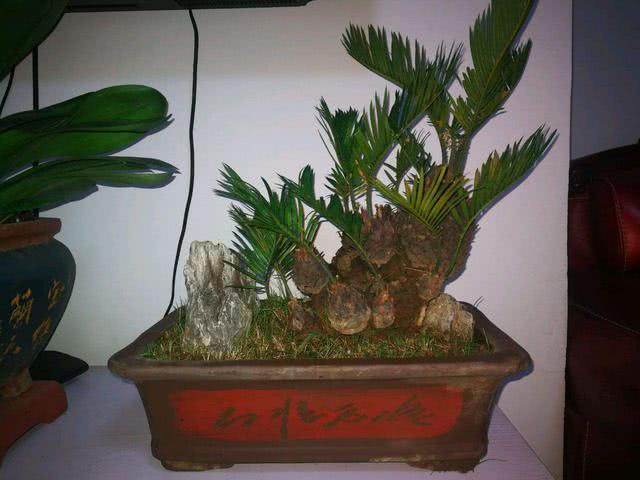
The sago palm is a plant from tropical regions. If we grow a sago palm for about ten years, it will produce flowers, and it will bloom every year after that. If it lives in some temperate regions, the sago palm generally will not flower. The sago palm is divided into categories: male and female. The male flowers open in a spiral arrangement, and are even more like a pineapple. The newly opened flowers are pale yellow, and once mature they turn brown.
The flowers produced by the female sago palm are relatively large, and when they grow out they have scales, with a rather flat shape that is slightly somewhat like a cylinder. The sago palm is blue-green all year round and is a very good ornamental plant. The sago palm can be seen in front of many companies, and can even be seen at office doorways. It is a very good plant for beautifying courtyards and bedrooms. Of course, some people also plant sago palms in the ground in their yards, but generally we see large potted ones more often.
The sago palm relatively likes to grow in fertile soil, and the soil is best if it is slightly acidic. In order to make the soil looser, we choose sandy soil to plant the sago palm. For the soil mix, we generally use coarse sand, garden soil, leaf mold and a small amount of fine gravel. As its name suggests, the sago palm relatively needs the element iron, and it very much loves the element iron.
When we mix the soil, we can blend in a small amount of iron filings. It is best to put some iron filings on the surface of the soil or at the bottom of the soil in early spring, as this is relatively helpful for the sago palm to absorb the element iron. If we want the sago palm to absorb it better, then we can choose ferrous sulfate spray to let the sago palm absorb it quickly, and the leaves grown this way will be even more emerald green.
A large plant like the sago palm certainly cannot do without fertilizing. During the sago palm's growing season, fertilize it once a month, choosing some compound fertilizer or urea. Urea can be applied in small amounts, and urea can also be used to spray on the surface of the sago palm; remember to dilute it before spraying the sago palm. Fertilizing follows the principle of small amounts and many times. When we wash rice every day when eating, we can use the rice-washing water to fertilize the sago palm. Do not water with it every day; we can store it in a bucket and keep it for use.
For the sago palm's watering method, when the temperature starts to become relatively stable, we can put the sago palm outdoors to grow it. When watering, directly water the surface layer of soil of the sago palm until it is soaked through. After a period of time, when we find that the sago palm has grown some new leaves, we should increase the watering for the sago palm.
When the sago palm's leaves start to unfurl, we should cut off the old leaves below and the withered yellow leaves, as this lets the sago palm grow better, and the sago palm this way is also relatively more beautiful and good-looking. When summer comes, the sago palm grows very vigorously, so we should water the sago palm once every day, and every month we should give the sago palm additional fertilizer. This keeps the soil with sufficient moisture and nutrients. When autumn comes, the weather slowly turns cooler, and we should reduce watering for the sago palm.
The sago palm's requirements for light: because the sago palm relatively likes sunlight, the spot we choose to place the sago palm is best if it is relatively mild and moist, a place where the sun can shine directly on it normally. What to remember is not to let the sago palm grow in an environment of blazing sun, as this very easily makes the sago palm's leaves wither and yellow, and can also scorch the sago palm.