Begonia leaves have a unique shape and can be used for ornamental display and leaf-cutting propagation
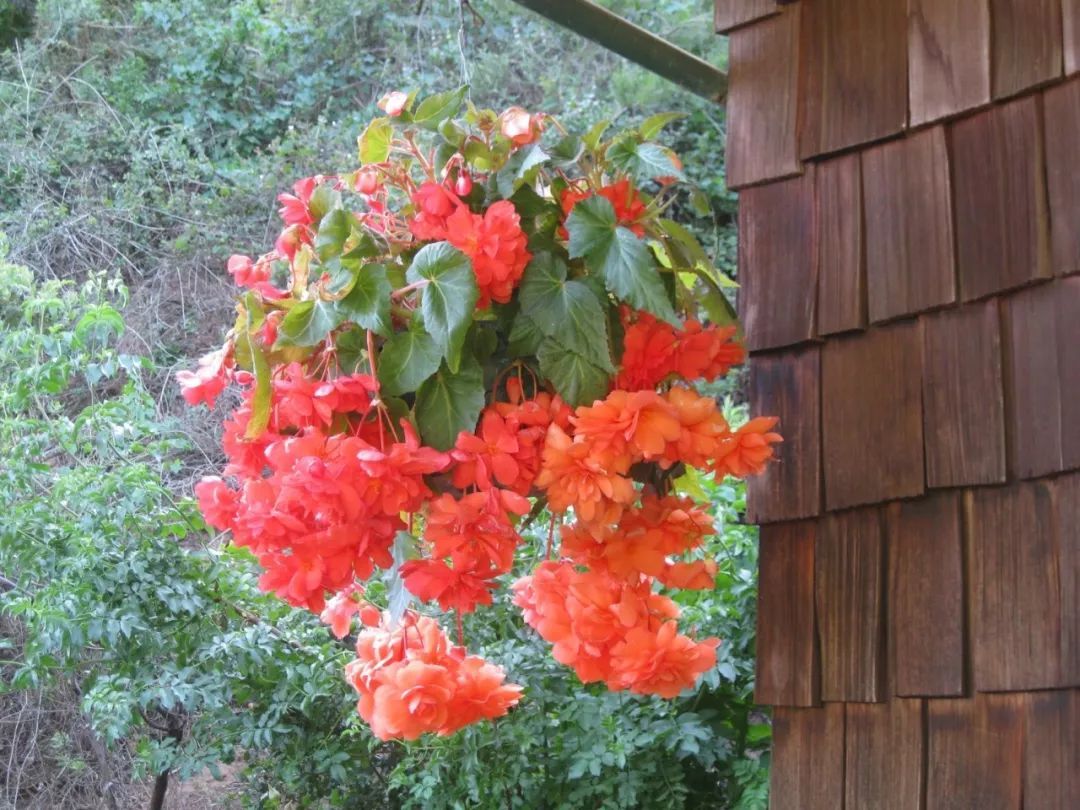
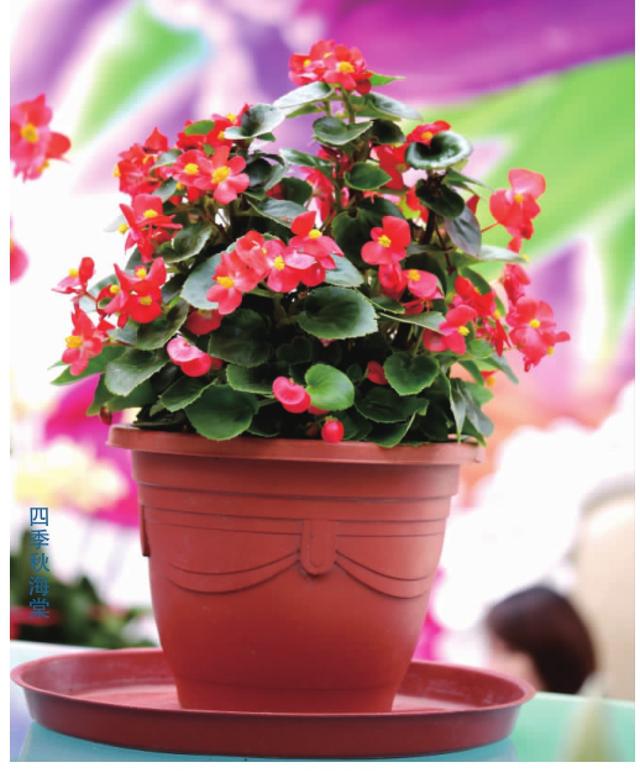
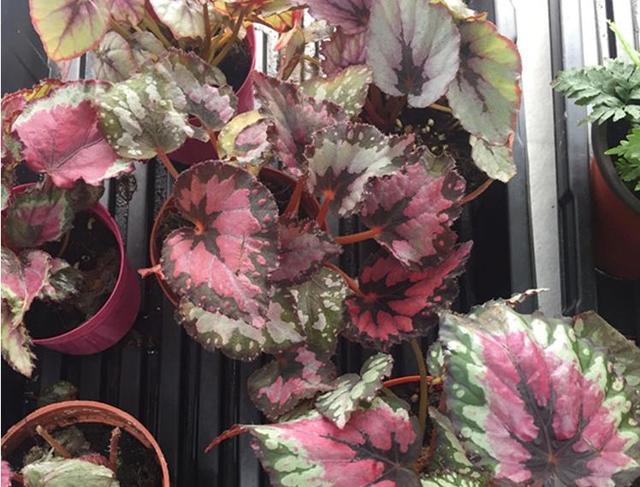
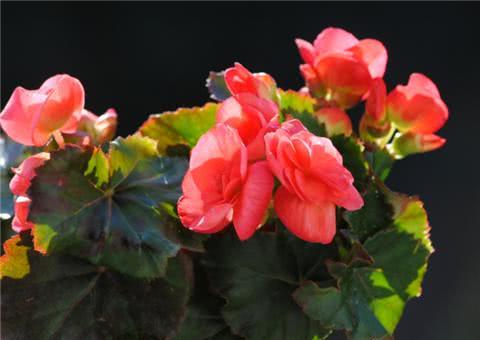
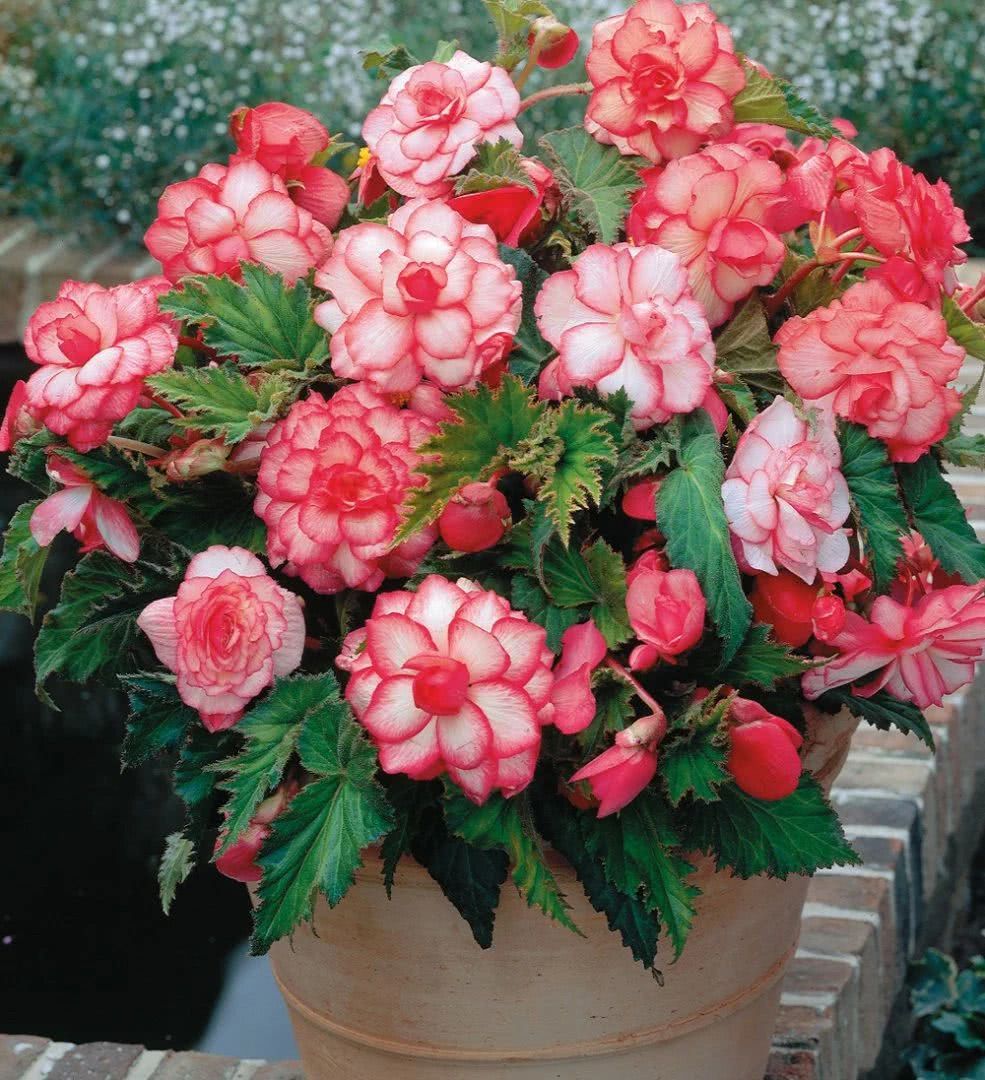
Begonia leaves are the leaves of plants in the genus Begonia, family Begoniaceae. Their most obvious feature is that they are asymmetrical from left to right, which is also an important sign for identifying begonias. The leaves come in diverse shapes, commonly ovate, heart-shaped, and kidney-shaped, and the margins are often wavy or slightly lobed. Leaf colors are also very rich; besides the common green, there are also purple-red, bronze, and silvery-white tones, and the leaf surfaces of many varieties also bear spots, markings, or fuzz.
Precisely because the leaves are attractive, many begonia varieties are grown as foliage plants, such as the rex begonia and painted-leaf begonia. Even when they are not flowering, they have high ornamental value. When placed indoors, pairing varieties with different leaf colors makes the layering especially pronounced.
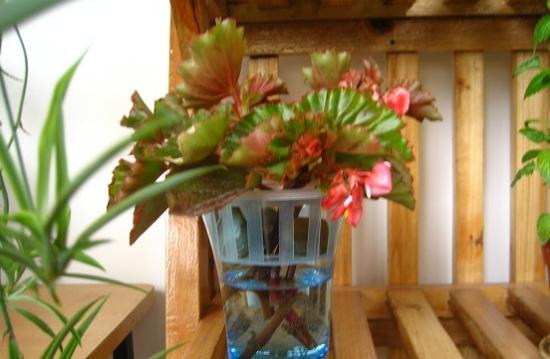
Begonia leaves also have a practical function: they are used for propagation. Most begonias can be propagated by leaf cuttings. Select a robust, mature leaf and cut it off together with the petiole, then insert it into a loose, moisture-retaining medium. Alternatively, score the leaf veins and lay the leaf flat on the surface of the medium, keeping it warm, humid, and in bright indirect light. After a period of time, small plantlets will grow from the cut areas, and once the plantlets have produced several leaves they can be transplanted.
In daily care, begonia leaves are also relatively prone to problems. Overwatering or having water sit on the leaf surface for long periods can easily cause leaf rot or breed disease; too strong light will scorch the leaves, while dry air may cause the leaf margins to dry out. During care, it is best to place the plant in bright indirect light, water by the principle of letting the soil dry between waterings, pay attention to ventilation, and appropriately raise air humidity so the leaves can remain plump and bright.
Related Reading