How to overwinter potted begonias? Cultivation and management key points for northern regions
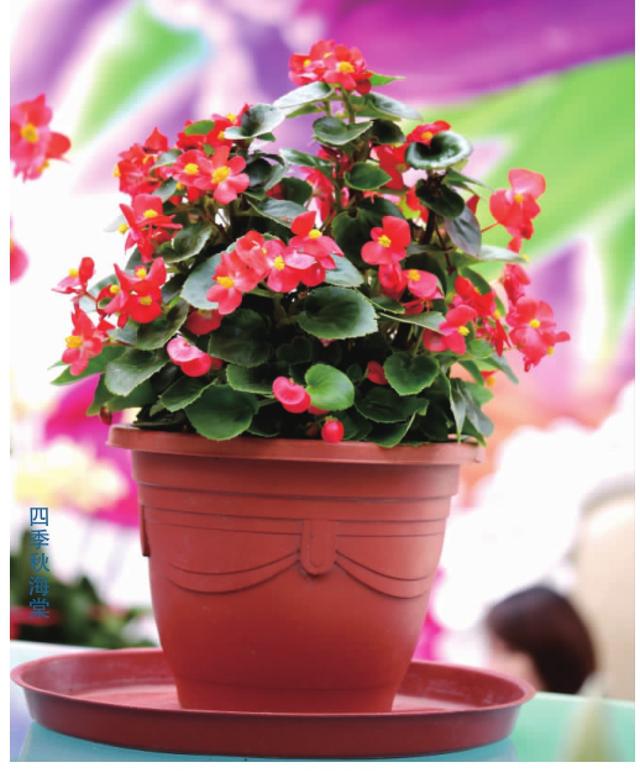
Key points for overwintering cultivation and management of potted begonias in northern regions
Wax begonia
Tuberous begonia
I. Management in winter without a greenhouse
Temperature: 15-25°C is most suitable for begonia growth; growth is slow at 10-15°C and 25-30°C; if the temperature is 5-10°C or 30-35°C, begonias will stop growing.
Light: For winter-flowering and ever-flowering begonias, light should be above 20,000 Lux, while for rhizomatous begonias it is around 10,000 Lux.
II. Placement in winter and sowing time
Placement: If you do not have an aluminum-framed glass cabinet, you can use a simpler method, such as placing the begonias in a polyethylene box or glass container and hanging it indoors, adding a scene of spring greenery to the indoor space in winter.
Sowing time: The optimum temperature for begonia seed germination is 20°C. For winter-flowering begonias, seeds are sown indoors for seedling raising in January to February. If you use a glass cabinet for seedling raising, you can enjoy the whole pleasure of growing seedlings from seed. Wax begonias sown in this season can bloom around June, while tuberous begonias do not show flowers until late June, so it is better to sow in March and enjoy the flowers in autumn. In addition, if you are propagating species begonias or improving varieties, you should sow as early as possible.
III. Transplanting begonia seedlings
Suitable transplanting time: For seeds sown in mid-January, it takes 3 weeks for all the buds to emerge, and one month for the true leaves to reach 2-3. When 2-3 true leaves have grown, mid-to-late March is the most suitable time for transplanting.
Prepare the transplanting bed: Thoroughly mix 3 parts peat soil, 2 parts perlite, 4 parts leaf mold, and 1 part river sand. On the transplanting bed, use a bamboo chopstick dipped in water to make holes about 1 cm deep, and move the small seedlings into them.
IV. Outdoor placement, shaping, and repotting
When the average minimum temperature exceeds 10°C, begonias can be placed outdoors for cultivation. If there is a spot with good light, you can make a simple setup to prevent soil from splashing while also blocking wind.
For old begonia plants that have overwintered, after identifying the position of the buds, prune them and replace about 1/3 of the soil with new soil. The suitable time for changing the soil is mid-to-late April.