How to grow potted begonias indoors? 7 methods to make them bloom all year round
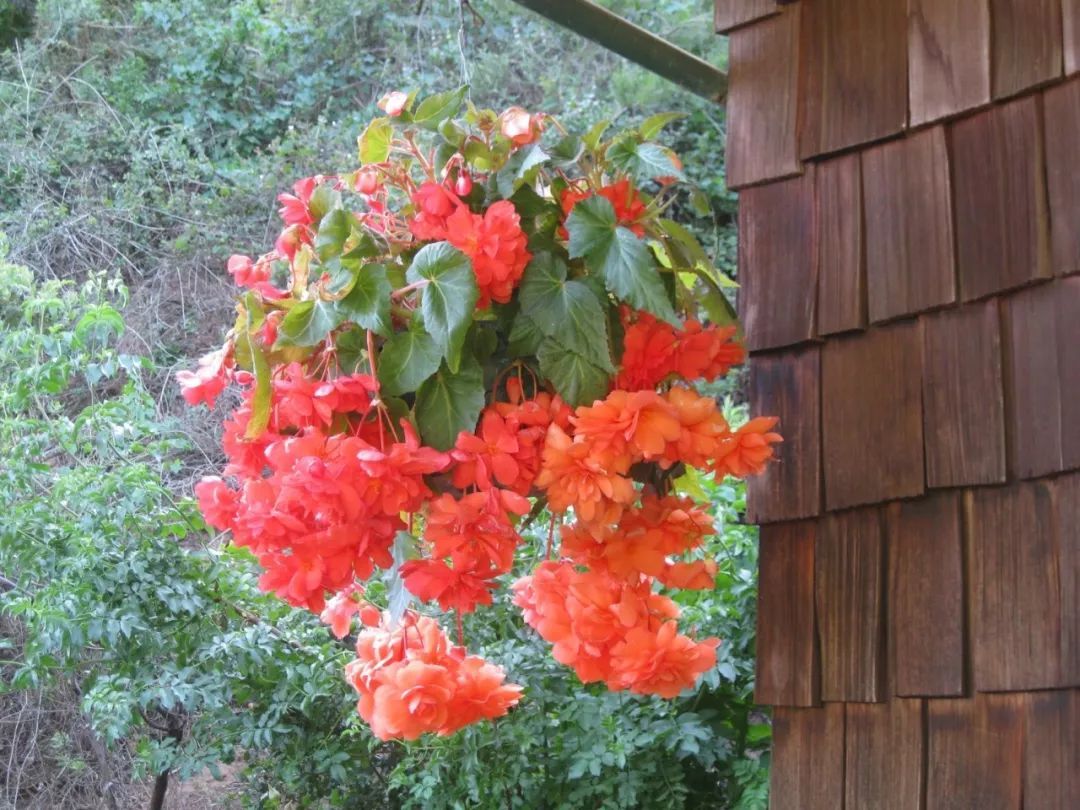
Begonias are very suitable potted flowers for growing indoors. They like cool, shady environments with scattered light, and can also be grown in combination with other flowers. They are actually a tropical perennial flower, very suitable for indoor potted care. With proper care, they can bloom every year.
There are thousands of begonia varieties, and their leaf shapes, sizes and flower colors are all different. Some people like begonias for their beautiful flowers, while others like the leaves and variegated patterns of foliage-type begonias. However, their care methods are all much the same.
The begonias we can often buy in flower shops include wax begonias, Rieger begonias, tuberous begonias and glass begonias, etc.
(Brilliant potted begonias in a flower shop)
Among them, tuberous begonias are relatively difficult indoor flowers to grow, because they go dormant in winter. Most other begonias are very easy to grow.
In spring and summer, begonias can be grown outdoors, which allows them to grow more vigorously. Begonias grown outdoors in summer must not be exposed to harsh sun, and should be kept in a spot with half shade and half sun.
Bolivian begonia
After it turns cold in autumn, potted begonias should be moved indoors for care. The minimum care temperature should be kept above 7 degrees. Begonias are very afraid of cold and are prone to frost damage. With appropriate scattered light on an indoor windowsill, begonias can also keep growing vigorously.
1. Watering potted begonias
When caring for begonias, the most critical thing is watering. They are very sensitive to moisture. If the soil is waterlogged, the roots will easily rot. The most common mistake beginners make with begonias is overwatering, which easily kills them.
If you feel that the soil is completely dry, you can insert your finger into the soil to test it. If it is dry 3 to 5 cm down, you can water.
When watering, be careful not to pour water directly onto the leaves and flowers. Wet leaves are prone to fungal diseases and rot. It is best to water from the base of the plant and avoid watering the branches and leaves.
2. Care humidity
When growing potted begonias indoors, it is still necessary to maintain relatively high air humidity.
Potted begonias like relatively high air humidity. When grown indoors, be sure to mist around them regularly, or turn on a humidifier.
When caring for begonias in winter, the thing to pay most attention to is humidity, because indoor air is usually relatively dry. You can place some pebbles on a tray, pour water into the tray with the water level not exceeding the pebbles, and then place the begonia on top of the pebbles, which helps increase air humidity.
3. Light requirements
Begonias like bright scattered light. Growing them on a windowsill or on a west-facing balcony is quite suitable. They do not like harsh sun or direct light, and prefer an environment with half shade and half sun. If grown outdoors in summer, they should be placed in a slightly shaded spot to avoid direct sunlight.
4. Notes on repotting
The best time to repot is in spring. The container for growing begonias must not be too large, as too large a container easily causes waterlogging. Each time you repot, choose a container one size larger, and use soil with good drainage. Just use general-purpose potting soil, and you can add appropriate amounts of peat moss, vermiculite, perlite or river sand to the soil.
5. Proper fertilizing
Begonias only need appropriate fertilizer in spring and summer. After spring warms up, the first feeding should be at a lower concentration than usual, at 1/4 the usual concentration. After about three weeks of this care, you can fertilize normally.
It is best to use organic liquid fertilizer. Ordinary chemical fertilizers easily affect begonias sensitively. Compost soil or organic liquid fertilizer can promote begonia flowering and growth.
After begonias cool down in autumn, stop fertilizing, and do not fertilize at all in winter.
6. Pruning and propagation
There is not much to pay attention to when pruning begonias. Generally, just prune regularly to prevent the begonia from growing too messy. If you see dead branches and withered leaves, cut them off, and remove flowers when they wither.
Propagating begonias is also very simple. Generally, stem cuttings are used, and occasionally leaf cuttings can be used for propagation. During propagation, be careful to maintain relatively high air humidity. Prepare sand or perlite for cutting propagation, keep it moist, and keep the temperature at around 20 degrees, and then they will easily take root and sprout.
When taking stem cuttings, you can dip the ends in some rooting powder to make rooting easier.
7. Begonia pests and diseases
The most troublesome thing about growing begonias at home is pests and diseases, so check regularly. If you see small black flies flying around the begonia, this proves that you have been overwatering. Letting the soil dry out completely can avoid fungus gnats.
You can sprinkle diatomaceous earth on top of the soil, do not water during this period, and only water after the soil has completely dried out.
If you find pests, deal with them promptly. You can dip a cotton swab in some alcohol and apply it directly to the pests, which can kill them.
When caring for potted begonias, as long as you maintain a suitable environment, provide appropriate light, and water and fertilize regularly, they can bloom all year round. They are very beautiful ornamental flowers.