Care for begonias this way to keep them blooming continuously
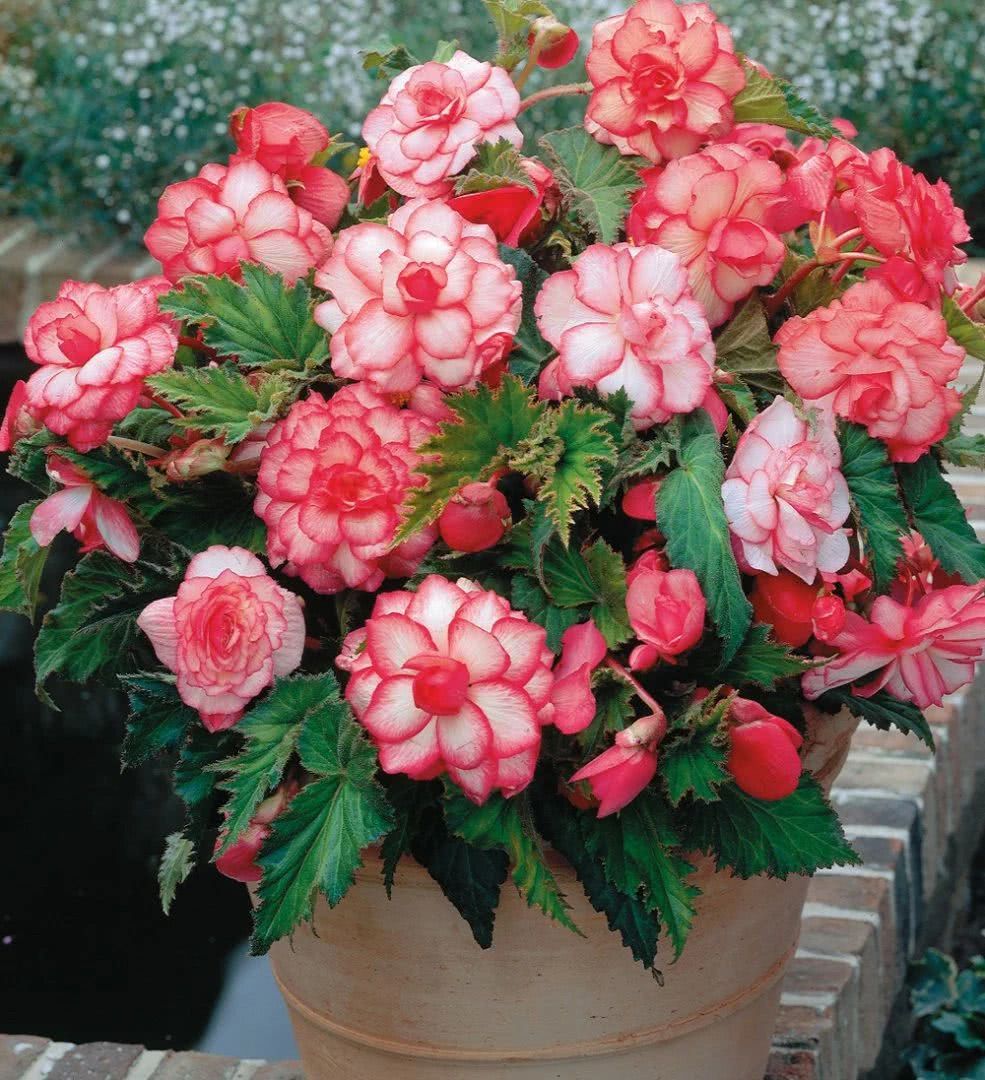
Begonias are particularly beautiful and fresh flowering plants. They are relatively easy to care for and grow especially fast, quickly filling a large area. If you are looking for a beautiful flower to fill your small yard, then begonias are a good choice. They do not need too much light, so you can grow them under the shade of trees, or in a shady spot with appropriate scattered light each day.
Of course, begonias are also very suitable for growing in pots. You can even grow them on an indoor windowsill or balcony, or as hanging baskets. As long as they are cared for properly, begonias can also maintain a continuous blooming state.
If you want to promote continuous blooming in begonias, you need to master the following care tips.
When caring for begonias, choose a high-quality potting soil. You can mix in some compost or leaf mold. The soil should be rich in humus and maintain good breathability and drainage. The growing location should have appropriate scattered light, avoiding strong midday and afternoon sun.
Before the spring and summer growing season, you should keep the begonia's potting soil moist and avoid excessive drought. In the hot summer, you also need to increase watering frequency, otherwise the soil will quickly dry out, which can easily cause leaf sunburn or plant wilting.
During the process of growing begonias, avoid waterlogging in the soil. The growing soil should maintain good drainage. If the soil stays wet for a long time, it can easily cause root rot.
The one in the picture above is wax begonia (Semperflorens begonia), with delicate flowers whose shape is somewhat like a freshwater mussel.
When caring for potted begonias, you should still maintain a suitable temperature and avoid temperatures that are too low or too high. The minimum temperature should stay above 7°C, and the optimal growing temperature is between 18 and 25°C.
When grown indoors, regularly spray water around them to maintain a certain level of air humidity. If grown indoors, regularly spray water around them to maintain a certain level of air humidity.
During the peak growing period of begonias, regular pinching back is needed. Avoid letting the tender shoots grow too tall, as this can promote branching and produce more flowers.
In spring and autumn, begonias can be given an organic liquid fertilizer once every 2 to 3 weeks, which helps supplement phosphorus and potassium and promote blooming.