Morphological Characteristics of Chinese Hackberry Leaves and Their Ornamental Application Value
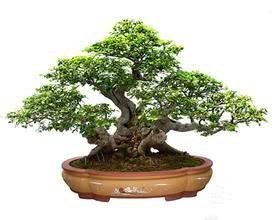
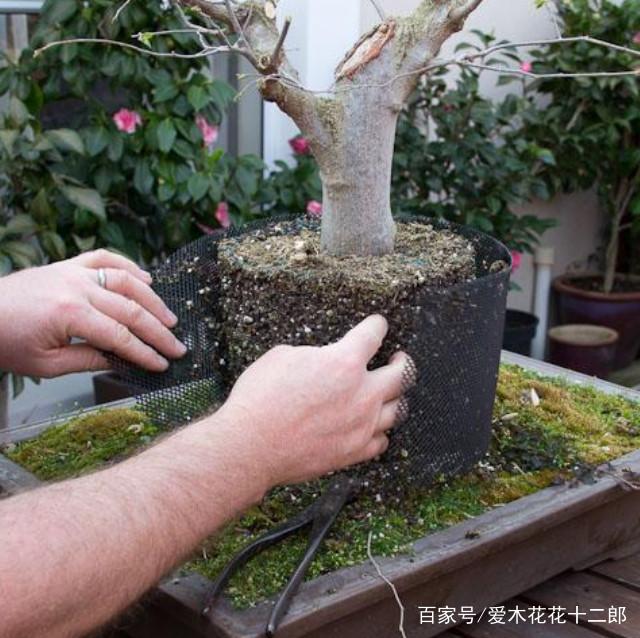
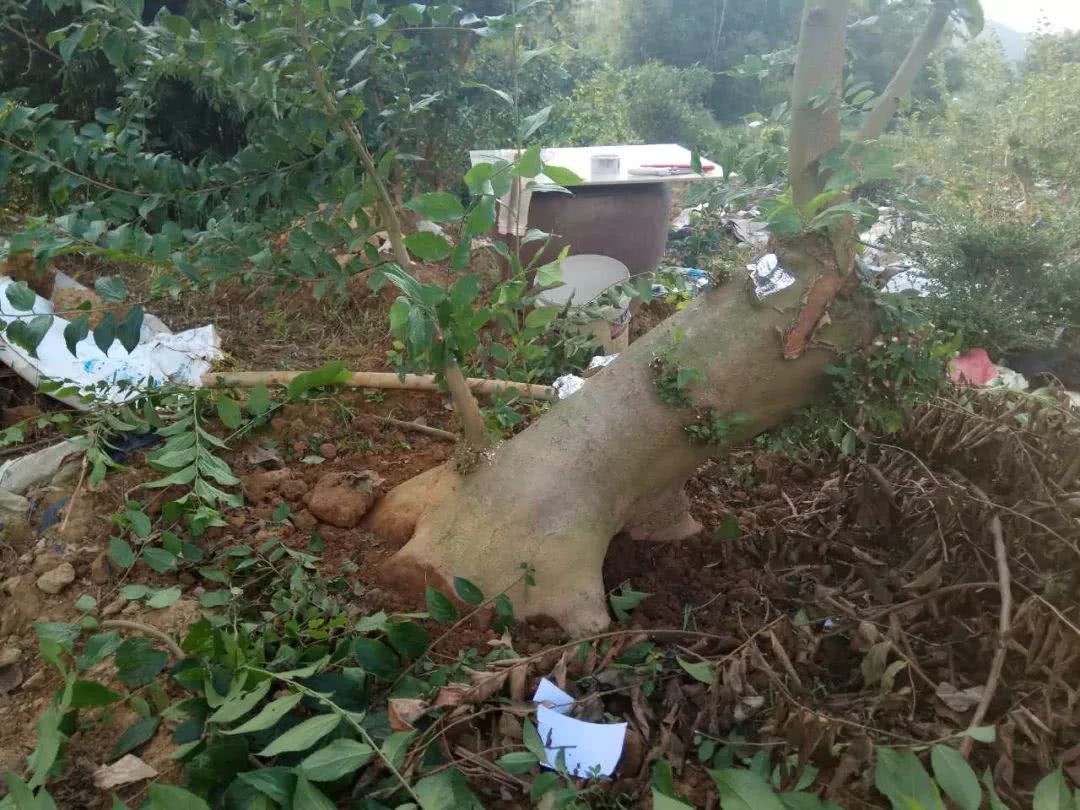
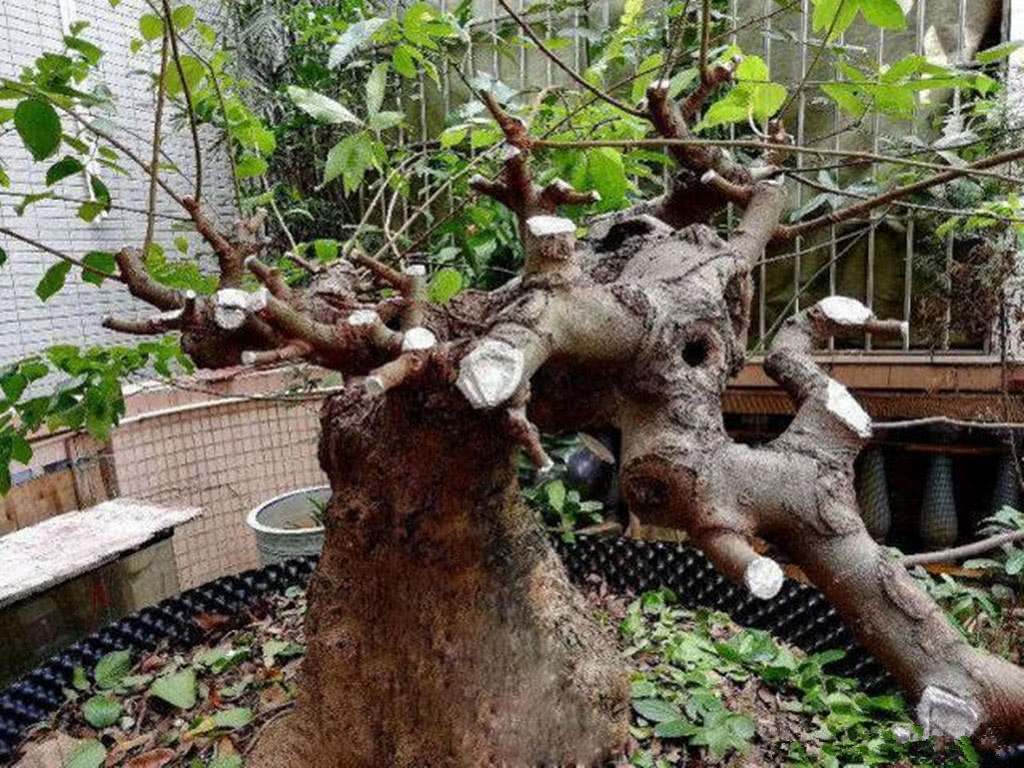
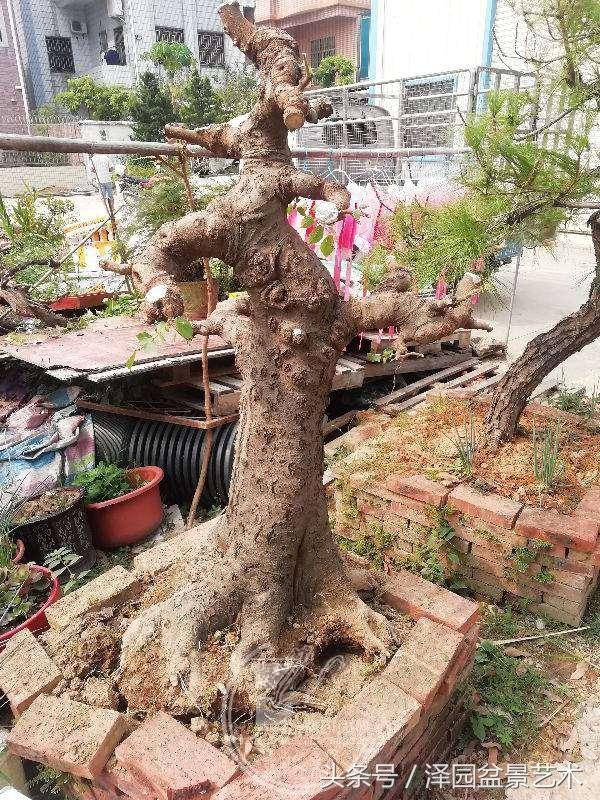
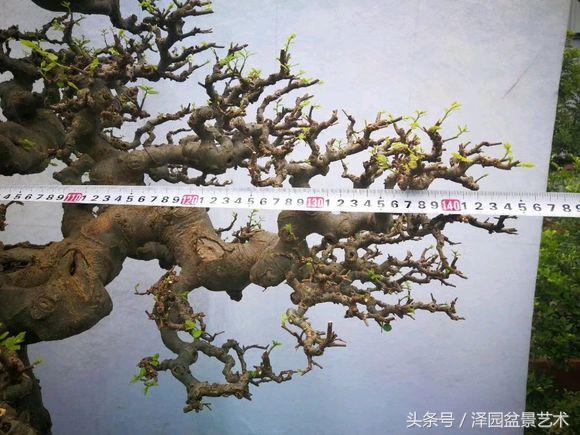
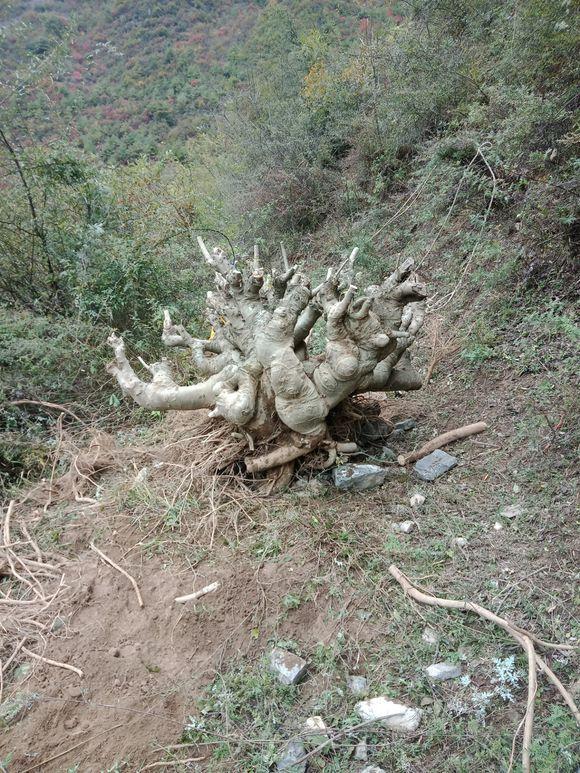
Chinese hackberry leaves are the leaves of the Chinese hackberry (Celtis sinensis), a plant in the elm family. The Chinese hackberry is distributed across many regions of northern and southern China, and is commonly found beside villages, along roadsides and in plains areas. The leaves are alternate, mostly ovate or ovate-elliptical, with acuminate tips and slightly oblique bases; the middle and upper portions of the leaf margins bear fine serrations, the leaf surface is smooth and glossy, and the veins on the underside are clearly defined. As a deciduous tree species, the Chinese hackberry leaf emerges in tender green in spring, turns deep green in summer, and gradually yellows and falls after autumn arrives. The leaf has three main veins and a medium to rather thin texture, a feature that also serves as an important basis for identifying the Chinese hackberry. The overall crown is dense, with branches and leaves spreading out, giving a fairly ideal shading effect. In the field of horticulture, the ornamental quality of Chinese hackberry leaves is favored by many bonsai enthusiasts. The trunk and branches of the Chinese hackberry are rugged and the leaves fine and dense; through pruning and wiring, the density and layering of the branch pads can be controlled, making the tree form appear more compact and natural. In routine care, appropriate water control and ample sunlight will make the leaf color more glossy, and the ornamental effect will also be better. In folk practice, Chinese hackberry leaves are also used as an herbal medicine; they are generally considered to be somewhat cooling in nature, and are often used by pounding fresh leaves for external application or boiling them in water for external use. The specific method of use should be carried out under the guidance of professionals, and it should not be used blindly on one's own. In addition, after the fallen leaves decompose, they can be converted into humus, which is somewhat helpful for improving garden soil. It should be noted that the concentrated leaf fall of the Chinese hackberry in autumn is a normal physiological phenomenon and there is no need for excessive worry; however, if yellowing leaves or premature leaf drop occur during the growing season, it may be related to waterlogging in the potting soil, insufficient light or pest damage, and the cause should be investigated promptly and the care method adjusted.
Related Reading