Introduction to the Chinese Hackberry
The Chinese hackberry (Celtis sinensis) is a deciduous tree of the genus Celtis, traditionally classified in the elm family (Ulmaceae). Also known as sand hackberry and yellow-fruited hackberry, it is mainly distributed in China along the Yangtze River basin and the regions to its south, and it is also found in Japan, Vietnam and other places. It grows into a tall tree with smooth grayish-brown bark, and its leaves are mostly ovate with a slightly unequal base and fine serrations along the upper-middle margins. In spring it produces tiny pale green flowers, and its spherical drupes ripen in autumn to orange-red or reddish-brown, hanging in conspicuous clusters along the branches.
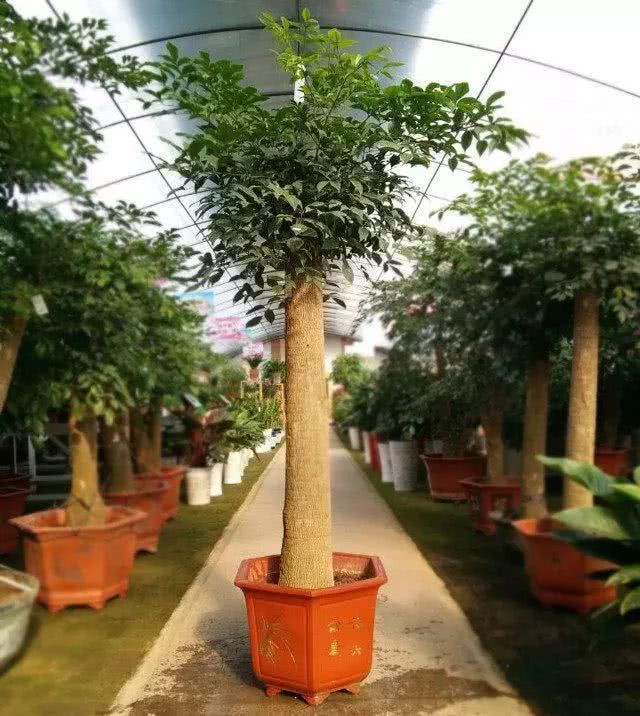
This tree is highly adaptable: it likes sunlight but tolerates light shade, prefers a warm, humid climate, and also has a certain cold hardiness. It is not demanding about soil and can grow even on dry, poor land, and it can also resist smoke, dust and certain harmful gases, performing reliably in urban environments. With its well-developed root system and long lifespan, the Chinese hackberry is often used as a street tree and shade tree, and it is also a common choice for greening factory areas and streets.
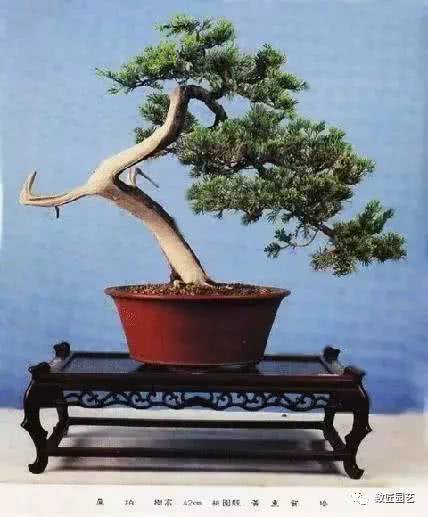
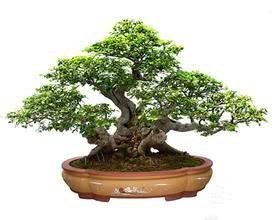
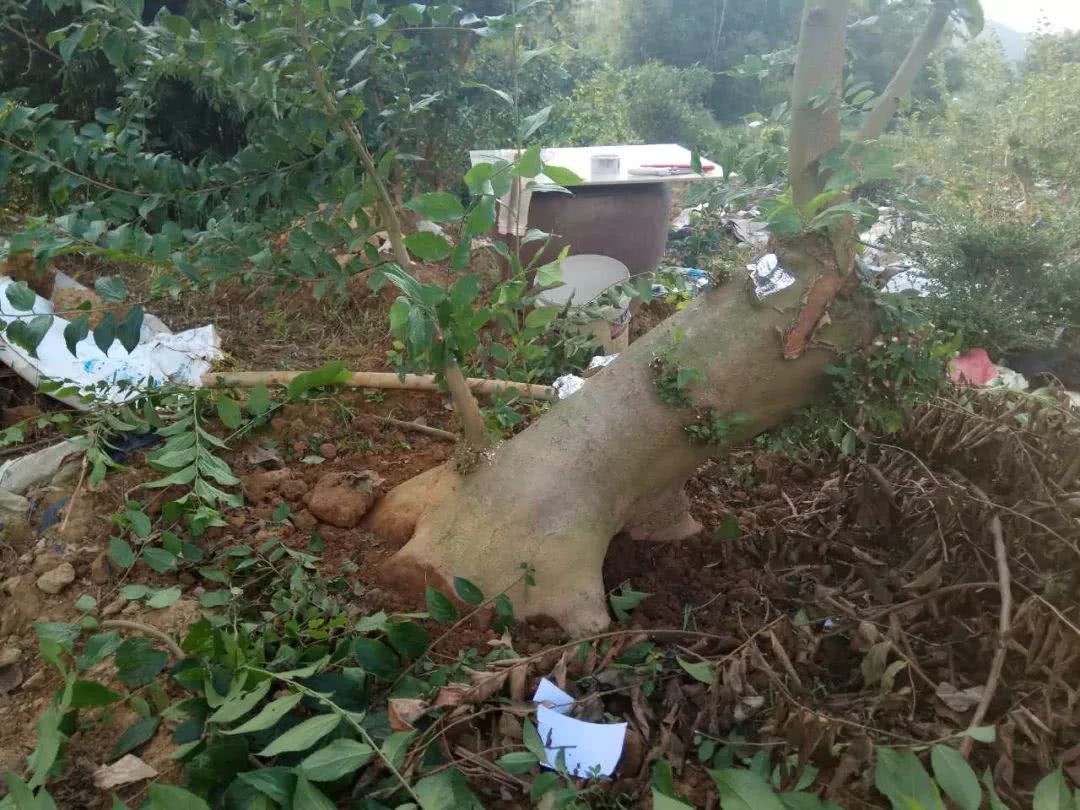
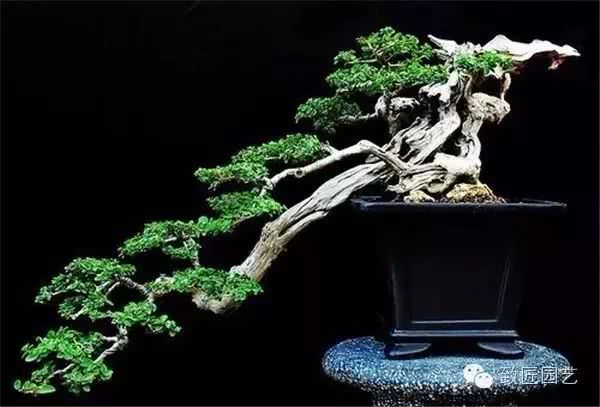
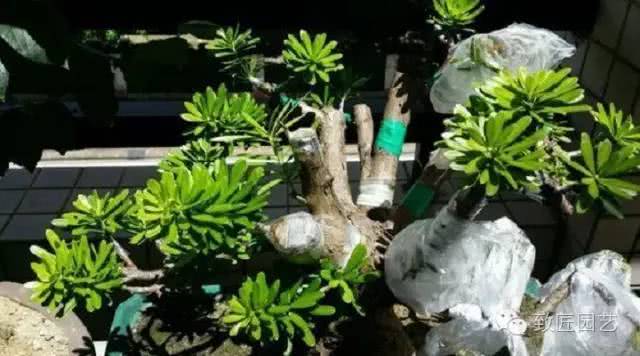
Beyond landscaping, the Chinese hackberry has fairly solid wood that has traditionally been used to make furniture and utensils; its stem bark is rich in fiber, which people once used to make paper and twist rope. It sprouts vigorously and tolerates pruning, and its branches are flexible and easy to shape, making it an excellent species for bonsai; it is especially widely used in Lingnan bonsai, where pruning, wiring and trunk splitting are often used to create a vigorous, natural tree form.
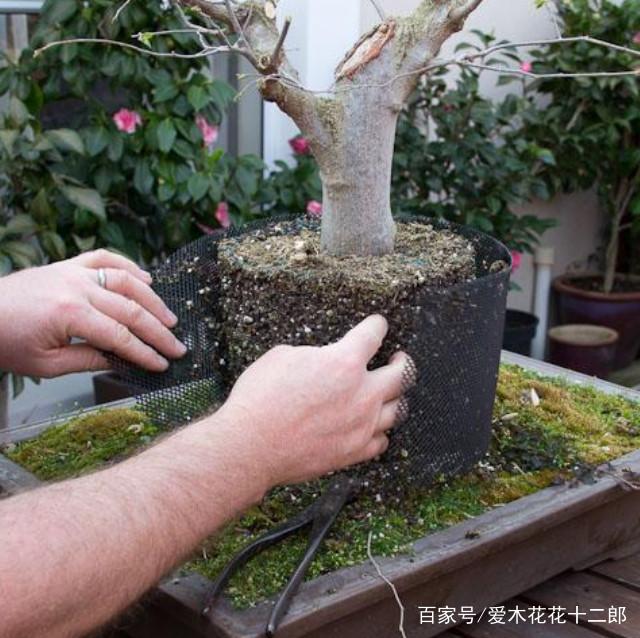
Whether planted in the ground or grown in a pot, the Chinese hackberry is relatively easy to care for. For ground planting, choose a spot with plenty of sunlight and good drainage; for bonsai care, keep the potting soil moist but not waterlogged during the growing season, promptly pinch out buds and shoot tips to control leggy growth, and repot regularly to renew the soil. As long as watering, feeding and pruning are done properly, the Chinese hackberry usually grows vigorously, and old specimens cared for over many years develop ever more character.
Related Reading