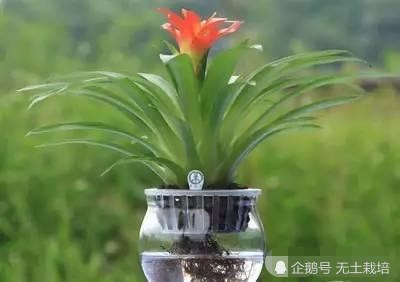
Miniature flowers are compact in size and well suited to being grown and enjoyed as potted plants at home
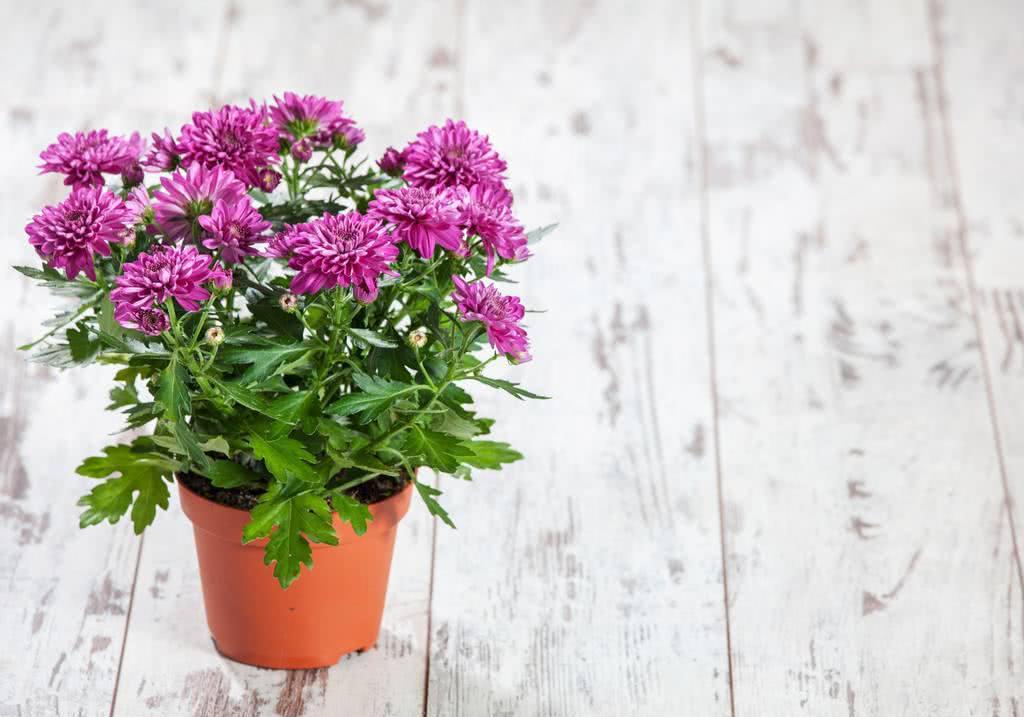
Miniature flowers is a general term for a group of ornamental plants with short, compact growth and delicate blooms, usually noticeably smaller than the ordinary varieties of the same kind, and able to grow and flower normally when planted in a small pot. Some are naturally dwarf varieties, while others have been bred through controlled cultivation; they include both herbaceous plants and small woody plants, and are well suited to display on a windowsill, desk or tabletop.
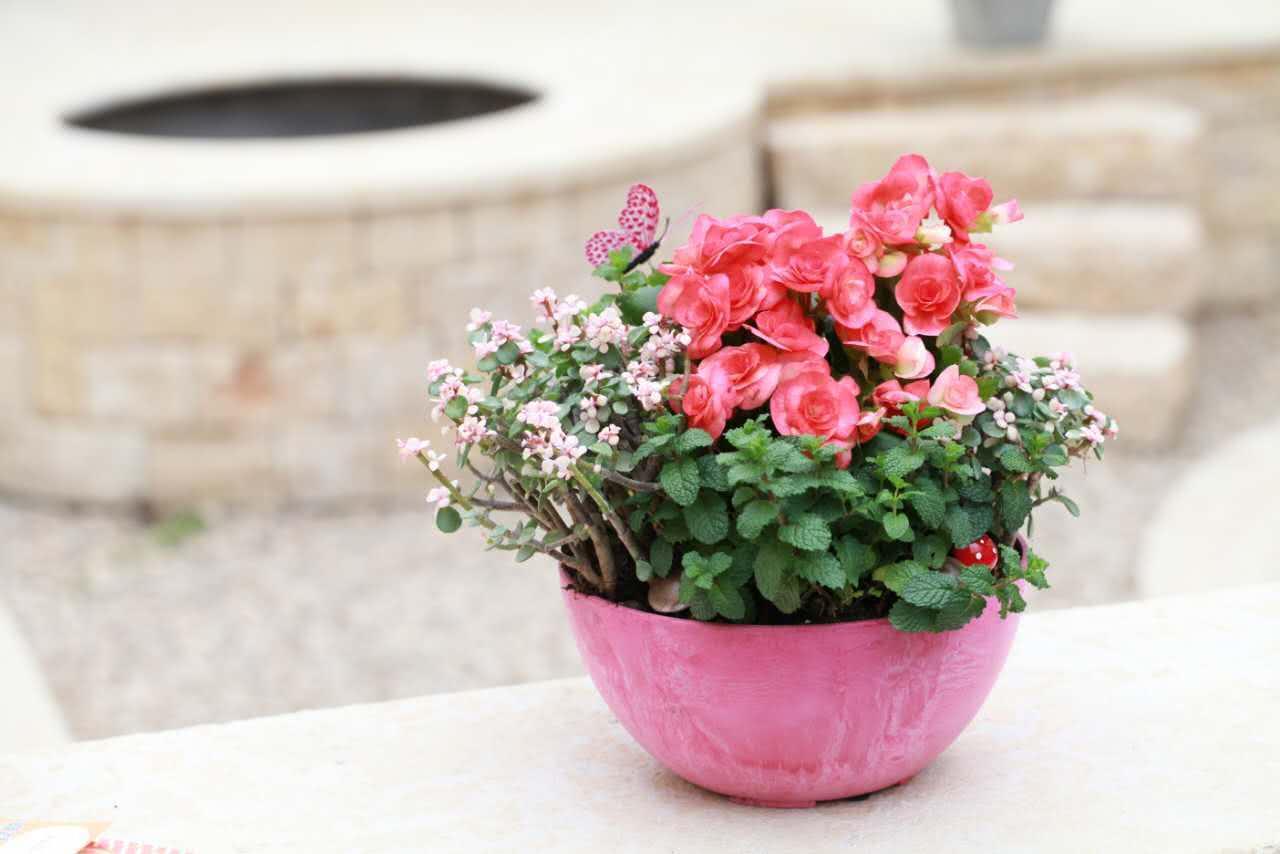
Common miniature flowers include miniature roses, mini carnations, parlour palms (Chamaedorea elegans), small succulents and various miniature foliage plants. Most of these plants grow slowly, with compact stems and leaves, and can be grown either on their own or combined with several varieties to make small desktop potted plants or miniature bonsai.
When caring for miniature flowers, watering is the key step. Because the pot is small and holds little soil, it dries out easily and also becomes waterlogged easily, so it is best to follow the principle of watering when dry and letting it dry out between waterings: water thoroughly once the surface soil is dry, and avoid prolonged moisture that causes root rot. Most varieties like bright, indirect light; shade them appropriately in summer and move them to a warm spot in winter to protect them from freezing. During the peak growing season, apply light fertilizer frequently, promptly cut off spent flowers and overly dense branches and leaves after flowering, and repot every one or two years to add fresh soil; the plant will then grow more vigorously.
Miniature flowers take up little space and are easy to move, making them suitable for balconies, offices and other places with limited space; they are also often used to decorate desktops or given as gifts. When buying, choose plants with plump leaves and no disease spots or pests; take them home and place them in a ventilated, bright spot for a few days to acclimatise before switching to normal care, so they are more likely to settle in and survive.
Related reading