What are the key maintenance points for hydroponic soilless potted flowers?
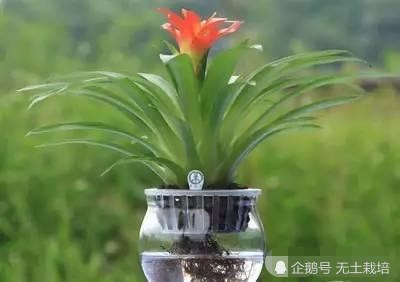
Soilless cultivation can make plants grow rapidly and robustly, bloom more and earlier, larger and more fragrant, and be cold-resistant and heat-tolerant with fewer pests and diseases. Generally, flowers that are easier to cultivate include: Monstera deliciosa, Aglaia odorata, Clivia miniata, Camellia japonica, Rosa chinensis, Jasminum sambac, Rhododendron, kumquat, Rohdea japonica, Matthiola incana, Phalaenopsis, Fuchsia hybrida, Pinus parviflora, Musa coccinea, Ficus elastica, Dracaena fragrans, Begonia species, ferns, palms, etc. Potted flowers can be converted from soil cultivation to soilless cultivation in any season. The specific steps are as follows.
I. Preparing the nutrient solution
Dilute the soilless cultivation nutrient solution sold on the market with water at the specified ratio. You can also prepare the nutrient solution yourself using the following formula.
1. Macronutrients: potassium nitrate and magnesium sulfate 3 g each, calcium nitrate 5 g, ammonium phosphate 2 g, potassium sulfate and monopotassium phosphate 1 g each;
2. Micronutrients: (use chemical reagents) disodium EDTA 0.1 g, ferrous sulfate 75 mg, boric acid 30 mg, manganese sulfate 20 mg, zinc sulfate 5 mg, copper sulfate 1 mg, ammonium molybdate 2 mg;
3. Tap water 5 kg. Prepare the macronutrients and micronutrients into solutions separately, then mix them together to make the nutrient solution. The amount of micronutrients used is very small and difficult to weigh, so you can prepare them at a multiplied ratio and then extract the amount reduced by the same ratio. For example, you can weigh the micronutrients at 100 times the amount to prepare a solution, then extract 1% of that solution, which is the required amount. The nutrient solution is non-toxic, odorless, clean and hygienic, and can be stored for a long time.
II. Removing from the pot
Use your fingers to push the root system together with the soil out through the drainage hole at the bottom of the pot.
III. Washing the roots
Soak the soil-covered root system in water close to the ambient temperature, and wash the soil from around the roots.
IV. Soaking in solution
Place the washed roots in the prepared nutrient solution and soak for 10 minutes to allow them to fully absorb nutrients.
V. Potting and pouring in the solution
Wash the flower pot, place a piece of tile or stuff plastic mesh in the drainage hole at the bottom, then put a small amount of perlite and vermiculite into the pot. Next, place the plant into the pot and hold it upright, and fill the area around the root system with perlite, vermiculite and other lightweight minerals. Shake the pot gently so that the minerals and roots are in close contact. Then pour in the prepared nutrient solution until liquid flows out from the drainage hole at the bottom of the pot.
VI. Reinforcing the root system
Place fragments of fluorite, ax-split stone, etc. on top of the root system to reinforce the roots and prevent lodging. At the same time, spray some clean water on the leaves.
VII. Daily management
For soilless-cultivated flower bonsai, the requirements for light, temperature and other conditions are no different from those for soil cultivation. During the growing period, water the plants with nutrient solution once a week, with the amount depending on the size of the plant; for flowers whose leaves grow slowly, reduce the amount as appropriate. In winter or during the dormant period, water once every 15-30 days. Indoor foliage plants can survive under low-light conditions, so the amount of nutrient solution should be reduced; the nutrient solution can also be used for foliar spraying. At ordinary times, pay attention to watering at the right time.
·END·
Long-press the QR code to automatically identify and follow the "Flower Friends" WeChat official account
An interactive platform for enthusiasts of growing and cultivating flowers and green plants to communicate, show off and be a bit silly. An online home for sharing flower cultivation methods and household flower-growing tips. A fresh flower subscription platform.
Fresh flowers: hyacinth | Matthiola incana | plum blossom | carnation | Camellia japonica | Kalanchoe blossfeldiana | Jasminum sambac | Gardenia jasminoides | peach blossom | Platycodon grandiflorus | Osmanthus fragrans | Zantedeschia aethiopica | lily | forget-me-not | Clivia miniata | apricot blossom | Lonicera japonica | Aglaia odorata | tree peony | sunflower | chrysanthemum | Serissa japonica | Euphorbia milii | tulip | narcissus
Green plants: Euphorbia pulcherrima | Pachira aquatica | Epipremnum aureum | Chlorophytum comosum | Alocasia macrorrhizos | Dracaena sanderiana | Asparagus setaceus | Aloe vera | Hedera helix | Anthurium andraeanum | Monstera deliciosa | Bougainvillea spectabilis | Albizia julibrissin | Spathiphyllum | Schefflera arboricola | Buxus sinica | Cycas revoluta | Ficus elastica | Adiantum raddianum | Sansevieria trifasciata |