Qingming Festival is approaching, and these are the flower care tasks that should be done
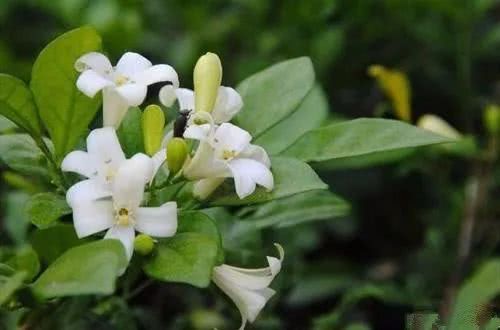
As the Qingming rainy season approaches, temperatures are also rising. Although cold air still lingers in the north, it is already quite weak. At this time, you can do some things for potted flowers.
1. Repotting
Warmth-loving flowers such as Milan, jasmine, epiphyllum, spider plant, Monstera deliciosa, bird of paradise, sago palm, and Calathea species can be repotted and given fresh soil, with dead branches and withered leaves pruned, and the soil loosened, weeds removed, or fertilizer applied. For some cold-hardy flowers, fertilizer can be applied along with repotting, soil replacement, pruning, and soil loosening. For example, roses are currently growing branches and leaves and developing buds, so a fertilizer combining nitrogen and phosphorus can be applied once every 10-15 days, while also thinning the buds appropriately.
2. Propagation
This month is an important period for flower propagation. Flowers such as canna, gladiolus, dahlia, and Caladium can be propagated by division of roots; flowers such as Cyperus alternifolius, Rhapis excelsa, bamboo palm, spider plant, hosta, and clivia can be propagated by division of clumps. When dividing dahlia roots, each division should carry 1-2 thick, strong buds. For Caladium, the tubers can be taken out and the bulbs separated for planting; plant 1 large piece per pot, or 2-3 small tubers per pot. Alternatively, when the tubers begin to sprout and grow leaves, use a sharp knife to cut the large tubers apart for separate planting, and the cut surfaces need to be coated with plant ash to prevent rot. Division propagation is generally carried out together with repotting. When dividing, make sure the daughter divisions retain part of the root system to facilitate their later growth.
3. Fertilizing
For flowers that bloom in winter and spring, such as camellia, Christmas cactus, and Daphne odora, because flowering consumes a large amount of nutrients, when warm spring weather arrives and they resume growth, fertilizer mainly based on nitrogen should be applied to promote their growth. For flowers currently in bloom, such as clivia, amaryllis, and Michelia figo, fertilizing should be stopped in order to prolong the flowering period.
4. Watering
In April, many succulents enter a period of vigorous growth, and watering can be done according to the different varieties. Fast-growing varieties can be watered more, while slow-growing varieties should be watered less. In short, it is necessary both to meet the plants' water needs for growth and to avoid waterlogging. Therefore, for succulents that are actively growing, follow the rule of not watering when dry and watering thoroughly when you do.
5. Succulent growth
In April, the weather turns warmer, and succulents enter the golden season of growth for the year. Plants that have not been repotted can be repotted, given fresh soil, and propagated by division. Indoor plants can gradually be moved outdoors to receive sunlight and the spring breeze. If there is continuous rainy weather, be careful to prevent them from being exposed to rain for long periods, so as to avoid plant rot caused by low temperatures and dampness.