How to care for potted flowers during the plum rain season? Keep these care points in mind
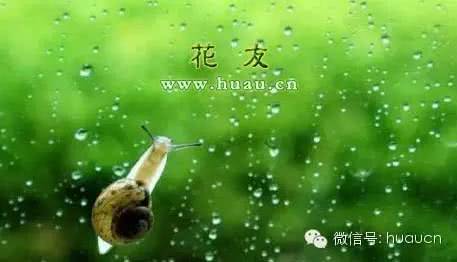
Every year in June and July, southern China experiences a continuous rainy weather pattern. Because this coincides with the ripening period of plums in the Jiangnan region, it is called "plum rain," and this period is known as the plum rain season. During the plum rain season there is a lot of rain, high humidity, and high temperatures, and waterlogging is prone to occur. In this plum rain climate, plants are prone to mold and harmful insects. Although this time is a period of rapid growth for plants, the differences in temperature changes also cause most plants to enter a dormant or semi-dormant state. For plants, this is not only a "challenge," but also a major test of the flower-growing skills of plant owners.
In such harsh plum rain weather, how can we help our beloved flowers get through it safely?
Potted plants: Topdressing techniques for different types of household potted flowers
The key to caring for potted flowers lies in several major elements: reasonable watering, fertilizing, ventilation, light, drainage, and pest and disease control.
1. Watering
The best times to water are before 10 a.m. and after 4 p.m. every day. If the temperature reaches above 30°C, watering should be reduced as much as possible. If the plants are placed on an outdoor platform or hard ground, generally water once a day, and appropriately increase the frequency and amount of watering according to actual conditions, or spray water on the leaves to achieve a humidifying effect; if they are indoor foliage plants, they do not need to be watered every day. Water thoroughly only after the potting soil has dried out, and at the same time pay attention to spraying the leaves.
2. Fertilizing
Fertilizing should not be excessive, especially not with unfermented and undecomposed human waste, chicken manure, milk, soy milk, fish innards, or chemical fertilizers. For example, if urea is not properly diluted and the concentration is too high, it will burn the roots and cause leaves and flowers to rapidly wilt and turn black. Because the air is humid during the plum rain season and microorganisms proliferate, randomly fertilizing at this time will cause plant roots to rot due to excessive microorganisms.
3. Ventilation
If there is a sudden rainstorm followed by clear skies, it is best to move potted flowers to a ventilated place sheltered from rain if conditions permit. For those that are not easy to move, the bottom of the pots can be propped up and the water collection trays removed to create conditions for drainage and ventilation.
Potted plants: Preparing potting soil for courtyard flowers and trees
4. Light
After continuous rainy weather, avoid direct exposure to the sun immediately after rain when temperatures suddenly rise. Because flower branches are relatively tender, avoid sudden direct sunlight to prevent burning tender leaves and flower buds. Light-loving herbaceous flowers such as Milan, white orchid, Chinese rose, and jasmine need light, while indoor foliage plants such as money tree, pothos, rattlesnake plant, zebra plant, and lucky bamboo only need weak light. For shade-loving plants, shade work should also be done well.
5. Drainage
During the plum rain season, rain is continuous and mold is extremely easy to breed, which is the "number one enemy" of plants during the plum rain season. For plants grown in open ground, pay attention to strengthening inspections. Whether grown in open ground or in pots, timely drainage should be carried out. Check whether there is poor drainage or localized water accumulation, so as to prevent root suffocation that leads to rotten leaves and yellow roots. Once water accumulates in a flower pot, a thin hard object such as a bamboo stick can be used to poke into the pot several times. If the accumulated water is not removed in time, the plant may develop root rot, and a sudden "dieback" phenomenon may occur when summer arrives.
Potted plants: Seven key points for planting combination pots
6. Pests and diseases
The plum rain season is a season with frequent pests and diseases in potted flowers. When pests and diseases appear, drugs should be applied according to different situations. This requires everyone to treat the root cause with the right medicine and not use them indiscriminately. The most common pests include red spider mites, aphids, scale insects, and so on, which can be sprayed with omethoate. Affected by high temperature and rainy weather, flowers and trees are most susceptible to fungal infection, and Chinese roses and others are also prone to black spot disease, powdery mildew, and so on. Carbendazim is a general control agent. In addition, the concentration of pesticides used should not be too high, so as not to burn the plants.
Of course, plum rain is not necessarily harmful to plants. For example, abundant rain and suitable temperatures will promote the growth of new leaves and are beneficial for plant cuttings propagation, with a relatively high survival rate. For example, some potted flowers such as Chinese rose, bougainvillea, lantana, pothos, and monstera are suitable for cutting propagation at this time.
·END·
A platform for gardening, flower growing, and green plant enthusiasts to exchange ideas, show off, and interact. An online home for sharing flower cultivation methods and household gardening tips. A fresh flower subscription platform.
Fresh flowers: hyacinth|stock|plum blossom| carnation|camellia|kalanchoe|jasmine|gardenia|peach blossom|balloon flower|osmanthus| calla lily|lily|forget-me-not|clivia|apricot blossom|honeysuckle|Milan|peony|sunflower|chrysanthemum|serissa|crown of thorns|tulip|narcissus
Green plants: poinsettia|money tree|pothos|spider plant|peace lily|lucky bamboo|asparagus fern|aloe|English ivy|anthurium|monstera|bougainvillea|silk tree|peace lily|schefflera|boxwood|sago palm|rubber plant|maidenhair fern|snake plant|
huau.cn
……