Fringetree-Grafted Osmanthus Has Strong Adaptability, More Suitable for Cultivation in the North
Grafting osmanthus onto fringetree (Chionanthus retusus) refers to a common method of propagating osmanthus using a plant of the Oleaceae family, the fringetree, as the rootstock. The fringetree and osmanthus both belong to the Oleaceae family and are closely related, so after grafting the graft union heals firmly and the surviving plants grow steadily, which is why this method is widely used in osmanthus propagation.
The greatest advantage of the fringetree is its well-developed root system; it is cold-tolerant, drought-tolerant, and also fairly tolerant of saline-alkaline conditions. Osmanthus grafted onto it adapts better to the climate of the north and to slightly alkaline soil than seedling-grown plants, and is less likely to suffer freezing injury in winter. Compared with the commonly used privet (Ligustrum) rootstock, the fringetree rootstock has harder wood and a longer lifespan, and in later stages is less prone to the problems of a top-heavy graft union and a thick top with a thin base.
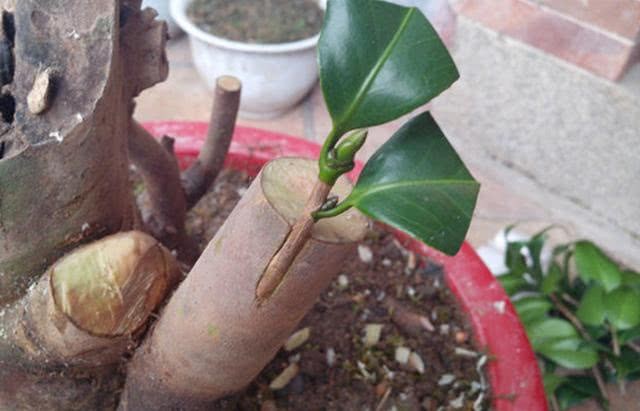
Grafting is mostly carried out around the time of spring bud break, commonly using methods such as cut grafting, cleft grafting, or approach grafting. Scions should be selected from vigorous, well-developed branches on healthy mother trees, the thickness of the rootstock and scion should match as closely as possible, the cambium layers should be aligned when making the cuts, the binding should be tight, and attention should be paid to keeping warmth and moisture.
Post-grafting care directly affects the survival rate. After grafting, place the plant in a semi-shaded, ventilated spot and keep the medium moist but not waterlogged; if the scion turns black and shrivels, it means the graft did not take and timely re-grafting is needed. After the graft takes and sprouts, promptly remove any fringetree shoots sprouting from the rootstock to avoid competition for nutrients, and only remove the binding material once the new shoots from the scion have grown stable.
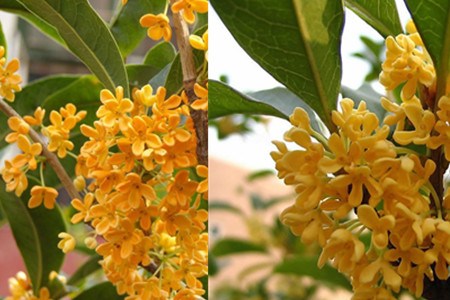
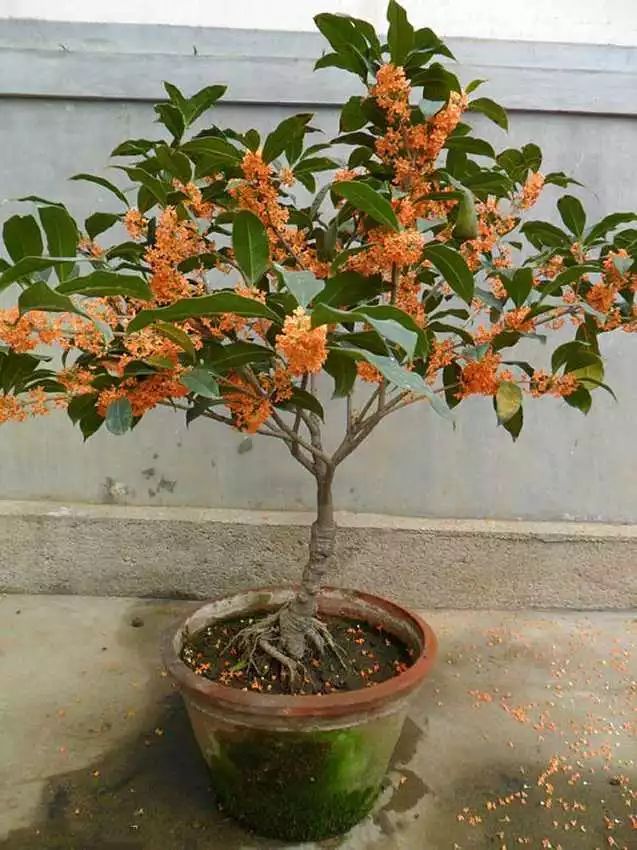
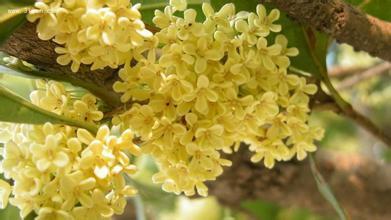
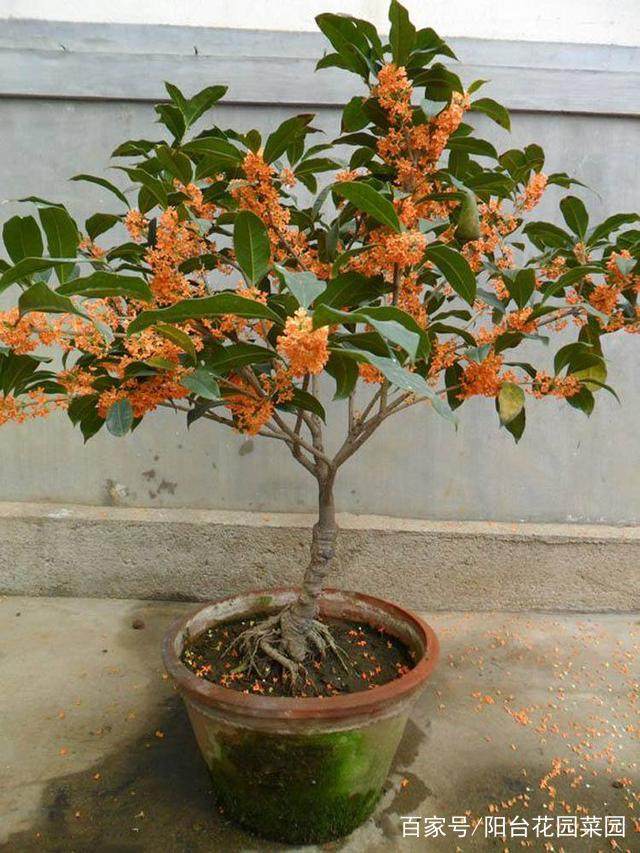
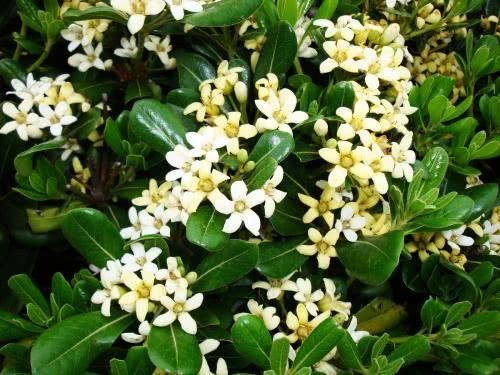
Later care can follow the same approach as for osmanthus. It likes light but also tolerates slight shade, and is suited to fertile, loose soil that is slightly acidic to neutral; water by the principle of letting the soil dry before watering again, apply light fertilizer frequently during the growing season, and apply less nitrogen fertilizer before flowering. With proper care, the branches will be covered with osmanthus blooms in autumn, with a very rich fragrance.
Related Reading