The reasons gardenias, osmanthus and azaleas keep dying, and how to care for them
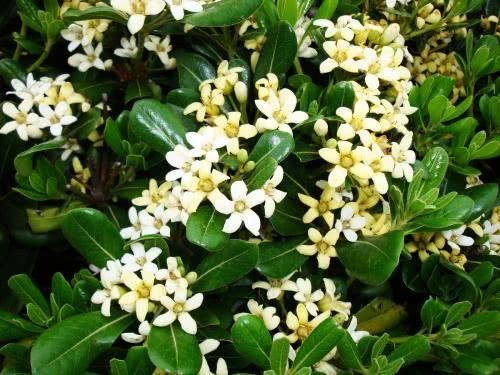
Gardenias, osmanthus and azaleas are the flowers gardeners keep most often, but recently many gardeners have reported again and again that every time they grow these flowers, they die. How should they be grown? Well, let me tell you how these three flowers should be grown.
1. Gardenia care tips
The reason gardenias keep dying is usually bud drop and yellow leaves. And the reason gardenias drop buds and turn yellow is mostly that gardeners did not choose the right watering or the right placement, which is what causes this situation.
(1) Placement
If you have just bought a gardenia, it is best to place the flower in indirect light, water it thoroughly, and first let the gardenia adapt to this new environment, then move it to a spot with more ample light.
(2) Watering tips
First buy a special soil made for growing gardenias. When watering, you can add a few drops of vinegar to the water first, then use it to water, and in daily care keep the gardenia in a state of good air circulation.
In addition, the water used for watering gardenias can also be: freshly collected rainwater, 1 liter of water mixed with 0.5 g of citric acid, or water soaked with fresh orange peel.
2. Osmanthus care tips
(1) Watering issues
Since osmanthus is a plant that likes a moist environment, when the osmanthus is in its young stage or its adult flowering stage, be sure to water it often, and also keep the osmanthus soil moist, but not waterlogged. Never let the osmanthus be in a drought state.
(2) Fertilizing issues
When the osmanthus is sprouting in spring, about 10 days after the last fertilizing, you must fertilize the osmanthus, and it is best to use organic fertilizer as the main type. By July, applying a compound organic fertilizer to the osmanthus is most suitable, and in September you can apply a phosphorus fertilizer once.
3. Azalea care tips
(1) Soil mix requirements
Azaleas are fairly suited to acidic soil, and it is best to choose a loose soil with good drainage. Remember one thing: you cannot choose alkaline soil, and you also cannot choose clay soil.
(2) Temperature and light requirements
In winter, it is best to keep the azalea at a temperature of around 10°C; the temperature does not need to be too high, and remember to ventilate often. In summer, when the temperature is higher at noon, you should find a suitably sheltered corner to shade the azalea. Since azaleas are shade-loving plants, in spring, summer and autumn they should be grown in a shade shed.
Remember that in autumn, the azalea's daily light exposure must be increased, and at this point you should stop shading it.
Do you gardeners have any other suggestions for growing these three plants? You are welcome to discuss them with me.