Prices for Orange Jessamine vary widely; know the influencing factors before buying
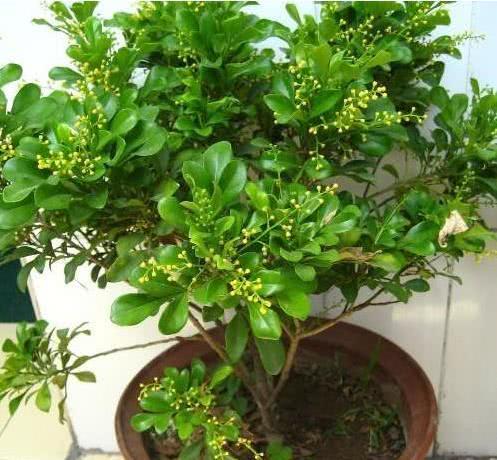
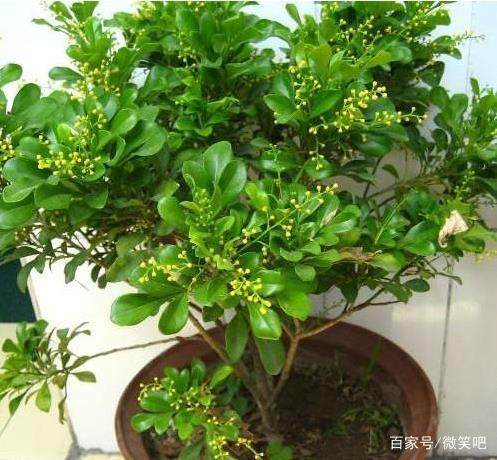
Orange Jessamine (Murraya paniculata) is an evergreen shrub or small tree in the Rutaceae family, with compact, glossy branches and leaves, clusters of white flowers in bloom, and a rich fragrance, giving it high ornamental value. It is both a common landscaping nursery plant in the south and a favorite material for bonsai enthusiasts, so Orange Jessamine on the market includes ordinary small landscaping seedlings as well as bonsai shaped over many years of cultivation, and the price differences are quite noticeable.
There are mainly several factors affecting the price of Orange Jessamine. First is size: the larger the plant, the thicker the trunk, and the older the tree, the higher the price. Second is shaping: plants that have been wired and pruned and have a mature bonsai framework are often much more expensive than unshaped seedlings. Third is appearance and growth vigor: plants with robust branches and leaves, a well-developed root system, and no pests or diseases are more welcomed by the market. In addition, different local supply conditions and purchasing channels can also cause some price fluctuations.
When selecting Orange Jessamine, it is recommended to first look at overall growth vigor; plants with oily-green, glossy leaves and supple branches are usually in better condition. Then check the undersides of the leaves and the branches and trunk to avoid bringing home a plant carrying pests. Orange Jessamine has some similarities in appearance to Orange Jasmine (Aglaia odorata) and boxwood, and when buying you can distinguish them by leaf shape and floral fragrance. Only by confirming the variety before discussing price can you buy with confidence.
After bringing it home, Orange Jessamine likes an environment with ample light and good ventilation. Water by letting the soil dry between waterings, and prune appropriately during the growing season to control its shape, so it can maintain a good form. By doing daily care solidly, the plant will grow vigorously and the ornamental effect will naturally be better.
Related Reading