Choose and sow flower seeds well for even seedlings and stronger blooms
Flower seeds are the reproductive bodies that flowering plants use to propagate their offspring. They are generally made up of a seed coat, an embryo, and endosperm or cotyledons, and inside them lies the complete miniature form of a young plant. Compared with vegetative propagation such as cuttings and division, sowing seeds costs less, produces larger quantities, and may even cultivate new variety types, making it one of the most common propagation methods in home gardening and flower production.
There are many kinds of common flower seeds. The seeds of annual and biennial herbaceous flowers such as moss rose, garden cosmos, and petunia are relatively small, while the seeds of herbaceous perennials and woody flowering plants are relatively larger, and their dormancy characteristics also differ. Some seeds can be sown immediately after harvest, while others need soaking or low-temperature treatment before sowing to break dormancy so they can germinate smoothly.
When selecting seeds, choose fresh seeds that are plump, normal in color, and free of mold and insect damage. Try to buy them through proper channels, and pay attention to the harvest time marked on the package. Old seeds stored for many years will have a noticeably lower germination rate. If you do not sow them right away after buying, store them in a dry, cool, sealed environment to avoid moisture and high temperatures.
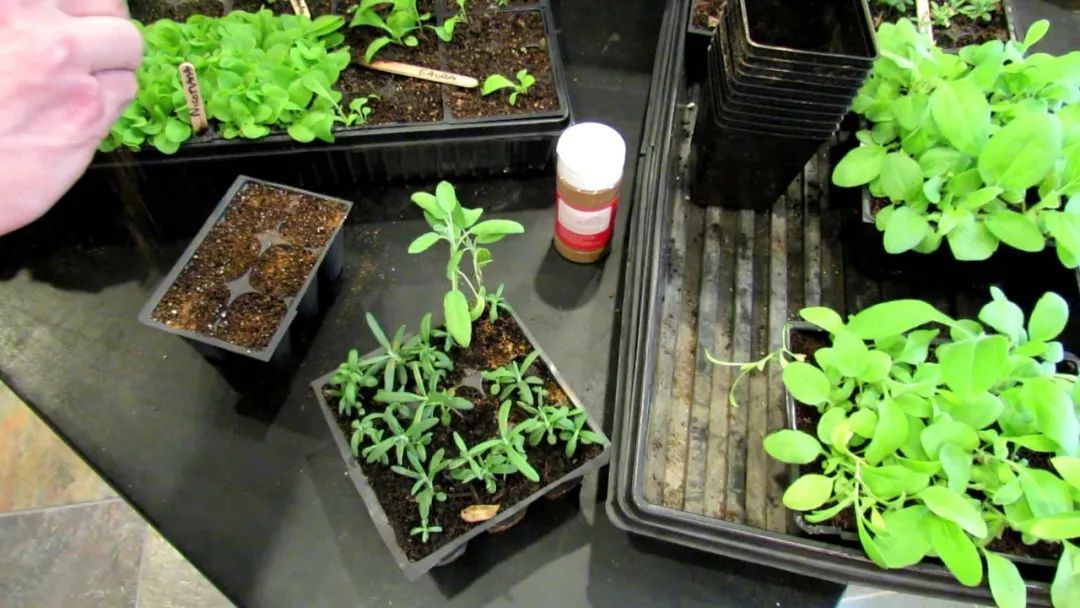
Before sowing, you can soak the seeds in warm water to promote germination, letting them absorb enough water before going into the soil, so seedlings will emerge faster and more evenly. The covering depth of soil should generally not be too deep; small seeds only need a light dusting of thin soil or even no covering at all. After sowing, keep the soil moist and the temperature suitable. During the seedling stage, pay attention to ventilation and light to prevent waterlogging, root rot, and leggy, lodging growth. Once the seedlings have grown a few true leaves, transplant them, and the survival rate will be higher.
Related Reading