What are the features and practical functions of flower websites?
Flower websites are sites themed around flowers and gardening content, mainly aimed at flower enthusiasts, home gardeners and growers, offering services such as care knowledge, variety introductions, pest and disease control, and gardening news. They organize scattered flower knowledge into systematic sections, making it easy for everyone to look things up and learn as needed.
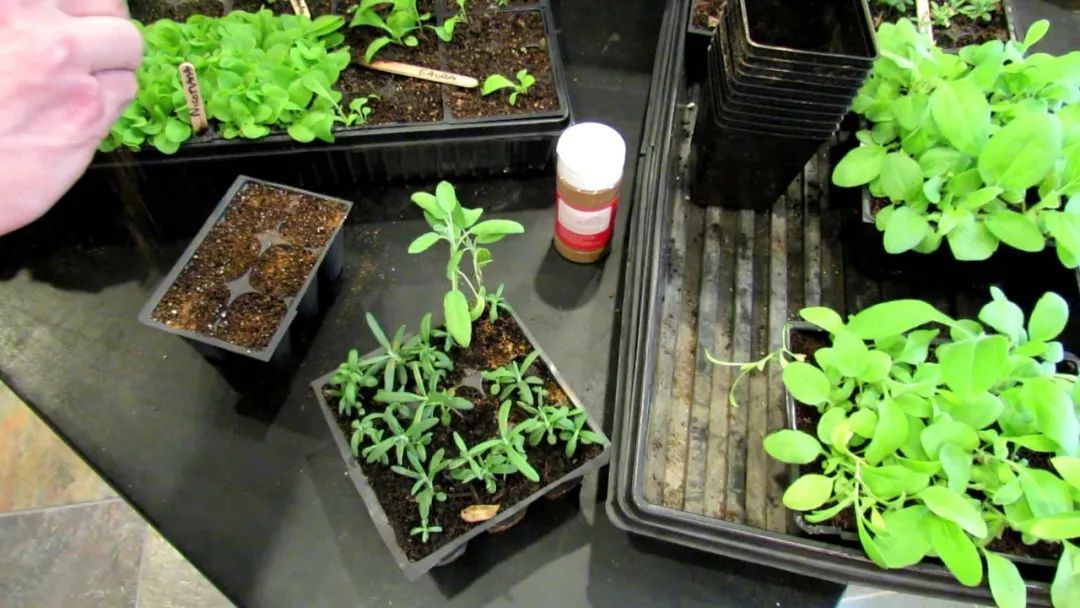
In terms of content types, flower websites usually feature sections such as a flower encyclopedia, care tips, propagation methods, pruning guides, seasonal management and Q&A exchanges. For example, how to protect potted plants from waterlogging during the plum rain season, how to prune various plants before spring warms up, and how to prevent seedlings from rotting or lodging during propagation are all common topics.
For ordinary flower growers, the value of flower websites lies in being able to look up at any time the watering, fertilizing, repotting and summer-survival and winter-survival methods for different flowers, and when problems such as yellow leaves, root rot or pests and diseases arise, they can also find reference approaches for dealing with them. For growers and horticultural practitioners, some websites also provide information such as flower market prices, cultivation techniques and industry trends, which helps with arranging production and understanding the market.
When using flower websites, it is recommended to give priority to platforms with timely content updates, detailed explanations and reliable sources, and to refer to them flexibly in light of the climate conditions of your own region and the flower varieties involved. Care methods found online are not universally applicable across the board; for practices you are unsure about, you can first try them on a small scale to avoid losses caused by copying them directly.
Related Reading