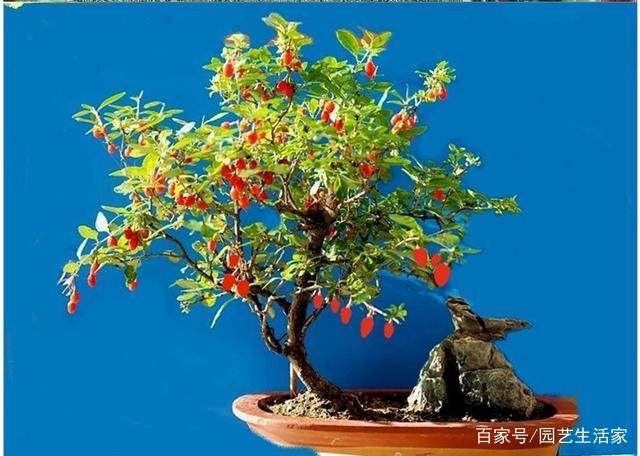
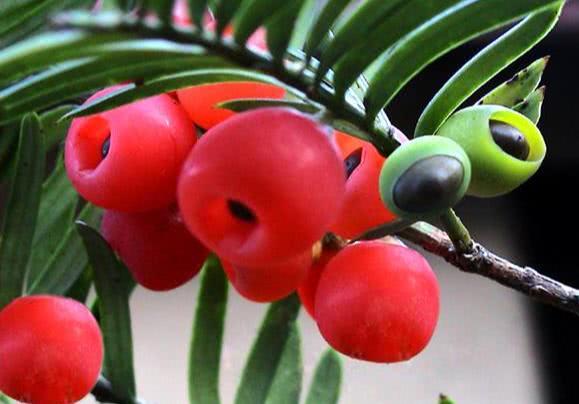
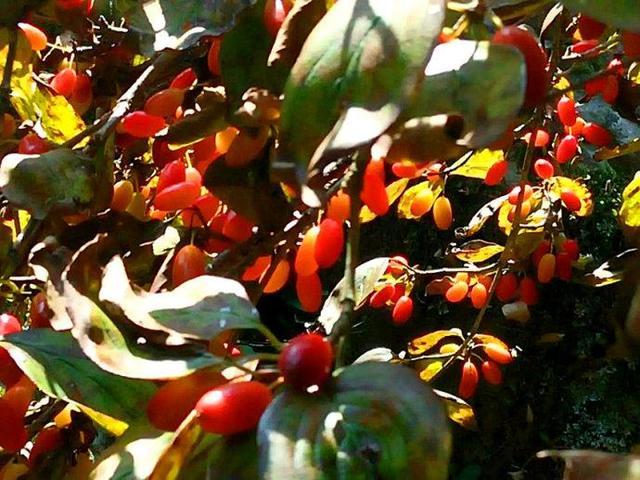
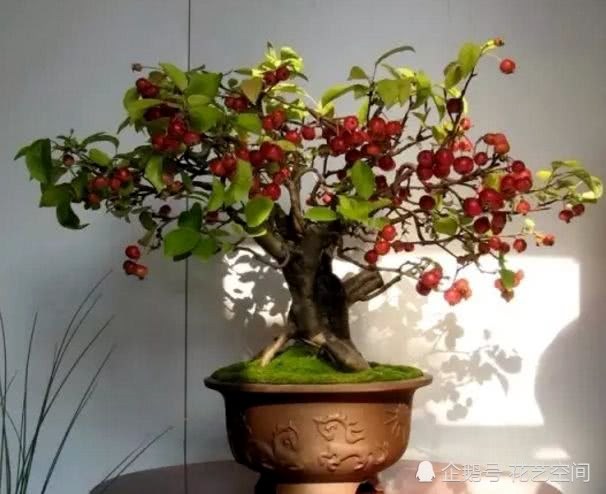
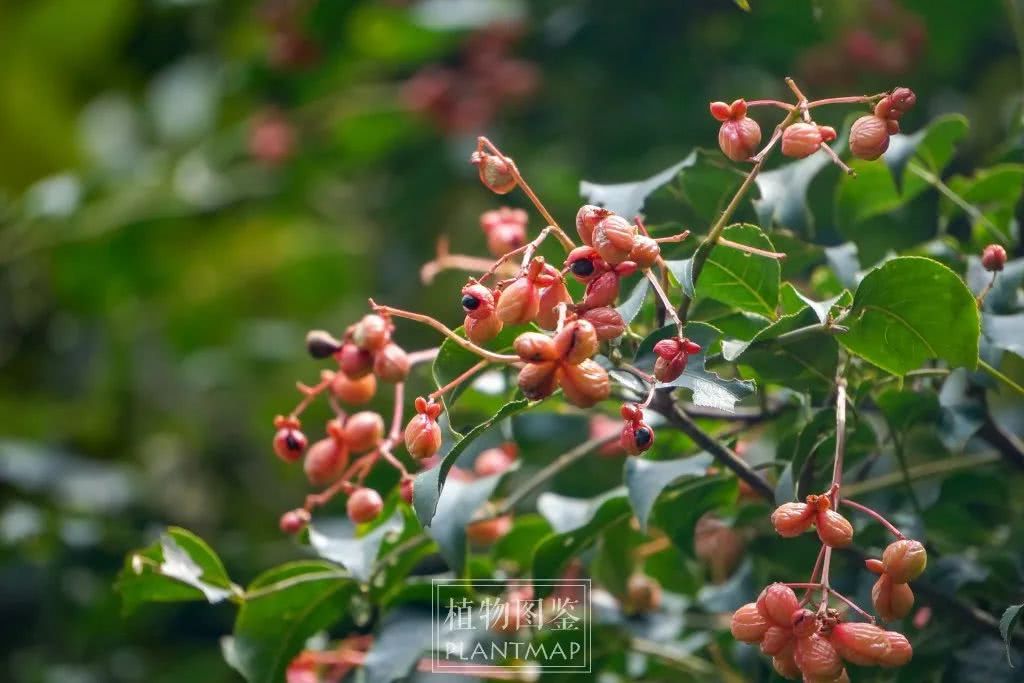
The red-fruited elm's samaras are a striking red and truly distinctive, making it an excellent native ornamental tree.
The red-fruited elm is a deciduous tree in the genus Ulmus of the family Ulmaceae, named for the red color its samaras take on when ripe. It occurs naturally in places such as Sichuan, Jiangsu and Anhui in China. It mostly grows on hillsides and along stream valleys; with its upright form and spreading branches and leaves, it is a native tree valued both for timber and for ornament.
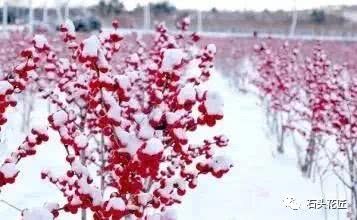
The most eye-catching feature of the red-fruited elm is its fruit. After flowering in early spring, clusters of samaras gradually develop, and as they ripen their color turns from green to red, covering the branches; from a distance they look like a tree full of red beads, quite striking. The leaves have clear veins and finely toothed edges, similar to those of the common elm; they fall after autumn, and the open crown also gives good shade.
In cultivation, the red-fruited elm carries on the traits of Ulmus plants: strong adaptability and minimal management. It likes a sunny spot and can also tolerate a certain degree of drought and poor soil; it is not demanding about soil, and grows best in deep, well-drained ground. In routine care, just avoid waterlogging and promptly prune crowded branches and diseased or pest-infested branches to keep a good tree shape.
In use, the red-fruited elm suits courtyards, street plantings or park landscapes; when the branches are full of red fruit it looks quite festive, and it can also be planted together with fruit-ornamental species such as dogwood and hawthorn. Note that elms often host leaf-eating pests, so when chewed leaves are found, control them promptly. In addition, its wood is tough and has traditionally also been valued for processing and use.
Related Reading