A Detailed Guide to Making and Caring for Red Fruit Bonsai
Red fruit has a very good therapeutic effect on improving cardiovascular health, and it is said to be able to lower blood pressure and cholesterol. Moreover, the fruits of the red fruit are plump and fresh, tender and vividly red, and also have high ornamental value. Making them into bonsai can further enhance their ornamental value.
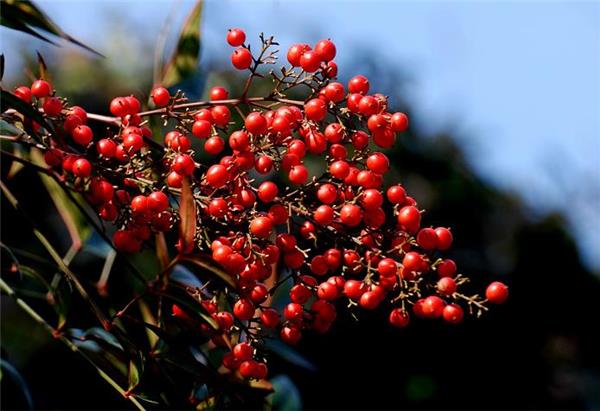
I. Dietary Therapy Value of Red Fruit
1. Relieving pressure and lowering lipids: It can prevent and treat cardiovascular diseases, with effects of dilating blood vessels, increasing coronary blood flow, improving heart vitality, exciting the central nervous system, lowering blood pressure and cholesterol, softening blood vessels, and having diuretic and sedative effects;
2. Protecting the heart: It has a cardiotonic effect and is also beneficial for senile heart disease;
3. Promoting digestion: It can stimulate appetite and aid digestion, especially having a better effect on relieving stagnation from eating meat, and it is used in many digestive aids;
4. Promoting blood circulation and removing blood stasis: It helps relieve localized blood stasis and has an auxiliary therapeutic effect on bruises and injuries;
5. Promoting labor: It has a contracting effect on the uterus, has the effect of promoting labor when a pregnant woman is about to give birth, and can promote postpartum uterine recovery;
6. Improving immunity and fighting cancer: The flavonoids, vitamin C, carotene, and other substances it contains can block and reduce the generation of free radicals, enhance the body's immunity, and have anti-aging and anti-cancer effects.
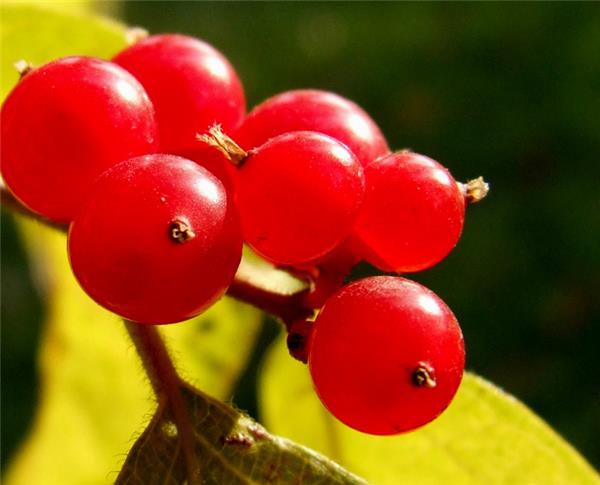
II. How to Make Red Fruit Bonsai
Potting: Red fruit can be potted before leaf sprouting in spring or after leaf fall in autumn, with autumn potting being preferable. For the pot, choose a rectangular or oval purple clay pot, or an unglazed fired pot. The soil pH should be 6-7.5, and it must not be too alkaline. The soil can be made by mixing garden soil with a small amount of decomposed manure.
Styling: The plant shape of red fruit bonsai can be created and cultivated by using both pruning and wiring. The branches of red fruit are relatively brittle, so care must be taken during processing. Generally, the metal wire wiring method is used. When pruning during the summer growing season, pay attention to the ratio of vegetative branches to fruiting branches, and thin out overly dense flowers and fruits.
Location: Red fruit is a light-loving tree species. Insufficient sunlight will cause weak branches, thin leaves, light color, and poor fruit set. Therefore, it should be placed in a sunny, well-ventilated location for care and management.
Watering: Red fruit is relatively drought-tolerant, and trees that have not yet fruited are not strict about water requirements. Keep the soil in the pot moist as the standard, and do not allow waterlogging. In autumn, control the amount of watering, and in winter, it is better to keep it dry than wet.
Fertilizing: Red fruit tolerates poor soil and is not especially fond of fertilizer. Apply base fertilizer once in winter, but not too much, to avoid excessive vegetative growth. After flowering, apply a thin phosphorus-potassium fertilizer once, and do not apply nitrogen fertilizer. Apply an appropriate amount of fertilizer in autumn.
Pest and disease control: Pay attention to preventing and treating common powdery mildew, red spider mites, and aphids.
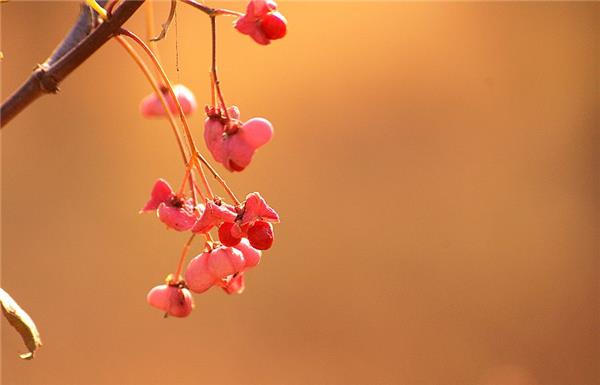
III. How to Improve the Fruit Set Rate of Red Fruit Trees
In addition to the daily care introduced above, the following points should also be done:
Promoting vigor and inducing flowering: As long as the new shoots of potted red fruit are thick and strong and no autumn shoots are produced, flower buds can form at their tips. The thicker and stronger the fruiting branches, the stronger their ability to bear fruit continuously. Therefore, while ensuring a compact tree shape, cultivating a sufficient number of strong branches is a basic measure for improving the quality of potted red fruit. The period from bud break to the early flowering stage is the critical period for water and fertilizer needs in red fruit. Fertilizer and water management at this time is the key to promoting robust branches and flower bud formation.
Promoting flowering and preserving fruit: Spraying 30×10-6 to 60×10-6 gibberellin during the full flowering period of red fruit can increase the fruit set rate by 30%-40% and significantly enlarge the fruits. Girdling or ring cutting the trunk during the full flowering period of red fruit can also significantly increase the fruit set rate. However, the object of girdling or ring cutting must be a robustly growing potted tree; otherwise, the effect will be poor, and it may even cause a large number of flowers and fruits to drop.
Cold protection and overwintering: Red fruit has relatively strong cold resistance, but under potted conditions, the pot walls provide limited protection for the root system, so measures should be taken to prevent freeze damage. For those with a large number of potted plants, a trench can be dug on site and the pots buried in it. The depth of the trench depends on the height of the pots. Before burying, first fill both the pots and the trench with enough water, and after the water has seeped away, cover with soil. For a small number of potted red fruit plants, they can be moved into a corridor or indoors to overwinter, and attention should be paid to watering appropriately, once a month being sufficient. Potted red fruit can be moved out of the trench or indoors in March of the following spring, after the soil thaws.
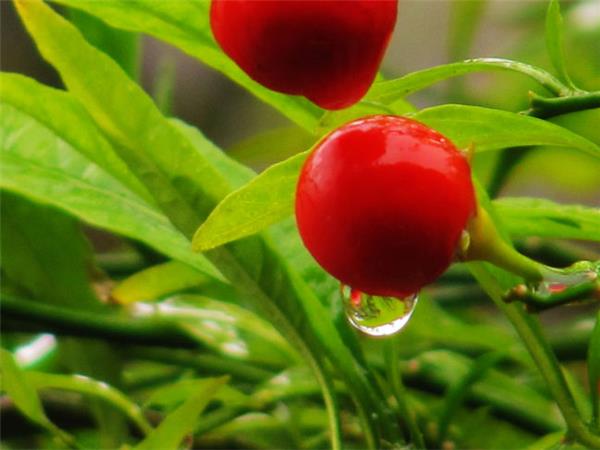
If you refer to the above introduction, I believe everyone can grow a beautiful pot of red fruit well and harvest fresh, sweet-and-sour red fruit as expected during the fruiting period.