The red fruit (Surinam cherry) has both good looks and great taste, so how should it be cultivated?
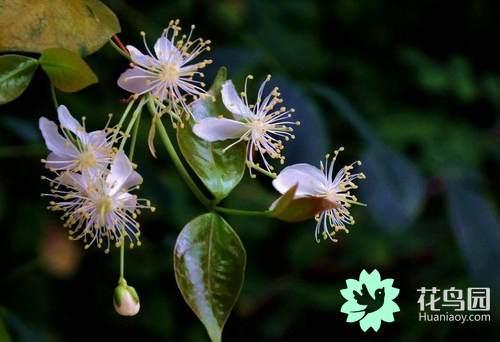
The red fruit belongs to the Myrtaceae family, genus Eugenia, and is a shrub or small tree. Common names: Brazil cherry, Surinam cherry, Puhong fruit, ridged fruit Eugenia. It is native to Brazil, and a small amount is cultivated in southern China. The red fruit tree has a graceful shape, dark green foliage, and stays evergreen all year round; its fruit has a peculiar shape, and when it bears fruit it is covered in red berries, with beautiful color and delicious taste. It can be cultivated in courtyards and parks, and can also be grown in pots for ornamental purposes. Distinctive red fruit has juicy flesh with a slightly sour taste; it is edible and can be made into high-quality soft candy.
The red fruit can reach 5 m in height, and the whole plant is hairless. The leaves are papery, ovate to ovate-lanceolate. The flowers are white, slightly fragrant, solitary or several clustered in the leaf axils. The berry is spherical, with 8 ridges, dark red when ripe, and contains 1 to 2 seeds. The flowering and fruiting period is March to April, and the fruiting period is May to June. The red fruit likes light and a warm, humid environment, tolerates partial shade, and is not drought-tolerant or cold-tolerant. It grows well in well-drained, fertile sandy loam.
Cultivation techniques for the red fruit
(1) Propagation techniques: Collect ripe fruit, take out the seeds and wash them clean, then sow them directly. Before sowing, carefully prepare the soil and dig shallow holes by spacing of 4 x cm for dibbling. After sowing, cover with 1 cm of soil, spray water with a sprayer, and keep the seedbed moist. After emergence, weed promptly. When the seedlings are 5 cm tall, fertilize together with weeding, applying a dilute liquid fertilizer once every half month. Avoid pouring fertilizer water onto the leaves. Strengthen management later on; when the seedlings are 15 cm tall, they can be lifted from the nursery and transplanted.
(2) Cultivation techniques: Choose well-drained, fertile sandy loam and plant in the ground with a root ball. The planting spacing is determined according to need. For pot cultivation, use garden soil, leaf mold, and sandy soil mixed with a small amount of base fertilizer as the potting soil. When planting, the seedlings should have a root ball, and after planting, water thoroughly. During the growing season, apply a thin fertilizer once every 10 days, and place it in a sunny, well-ventilated spot for care. During high temperatures, pay attention to shading and cooling, water promptly, spray water around the plant, and increase air humidity. Properly remove useless buds and pinch off the tips to promote good plant growth and development and maintain a perfect plant shape.