The red berries of the yew are vivid and bright; it is both a national treasure-level plant and an anti-cancer star
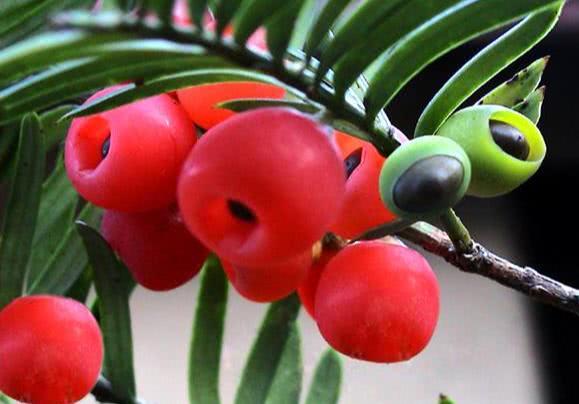
The Chinese yew, also known as the yew, is a plant of the genus Taxus. It is a shallow-rooted plant, with an inconspicuous main root and well-developed lateral roots. It is recognized worldwide as a rare natural anti-cancer plant on the verge of extinction. It is an ancient tree species left over from the Quaternary glaciation, with a history of 2.5 million years on Earth.
Because the Chinese yew grows slowly under natural conditions and has poor regenerative capacity, for a long time no large-scale Chinese yew raw material forest base had been established anywhere in the world. In 1994, the Chinese yew was designated by China as a first-class rare and endangered protected plant, and it is also called a "national treasure" by all 42 countries around the world that have Chinese yews. The United Nations has also explicitly banned its logging, making it a veritable "plant panda."
In recent years, the Chinese yew has been a "star" that has become popular in the plant world. This is because taxol can be extracted from it; it is an internationally recognized anti-cancer agent and also a national second-class protected tree species. The red berries of the Chinese yew are like the love beans of the south, red on the outside and black on the inside, and can serve as a token of people's longing. The Chinese yew got its name because it bears fruit just like red beans.