Bleeding Heart Vine Flowers Love Warmth and Light: Master the Key Care Points for Nonstop Blooms
Bleeding heart vine (Clerodendrum thomsoniae) is a perennial evergreen climbing flower native to the tropical regions of western Africa. It gets its name because when it blooms, a bright red corolla emerges from the pure white calyx, resembling a swimming dragon spitting out a red pearl. Its flower shape is distinctive, with red and white setting each other off, and its blooming period is relatively long. It is often used as a potted ornamental plant or for climbing greenery in courtyards, and is deeply loved by flower growers.
To care for bleeding heart vine, you must first meet its light requirements. It likes a warm, humid environment with plenty of sunlight. Only with sufficient light will it grow lush branches and leaves and bloom continuously. If kept in a dark place for a long time, it tends to grow leggy with few flowers. During the growing season, keep the potting soil moist but not waterlogged. In the high summer heat, you can appropriately increase the amount of watering and spray the leaves to raise humidity. During the plum rain season, pay attention to drainage to prevent waterlogging.
Bleeding heart vine is not cold-tolerant. After winter arrives, promptly move it indoors to a warm, sunny spot, and reduce watering at the same time. Keeping the potting soil on the drier side is more conducive to overwintering. For soil, choose loose, fertile, well-drained sandy loam. During the peak growing season, apply light fertilizer frequently, and increase phosphorus and potassium fertilizer as the flowering period approaches, which can promote flower bud differentiation and make the flowers bloom more abundantly and vividly.
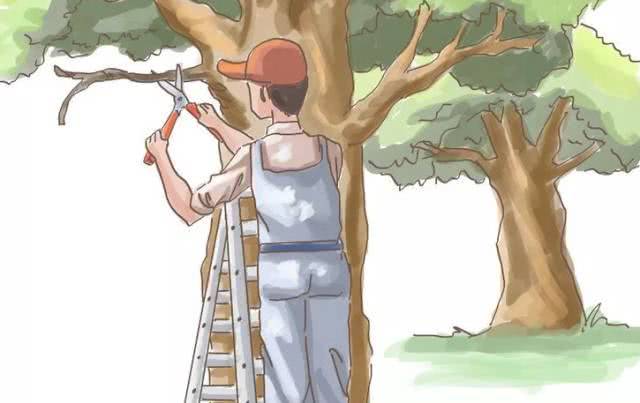
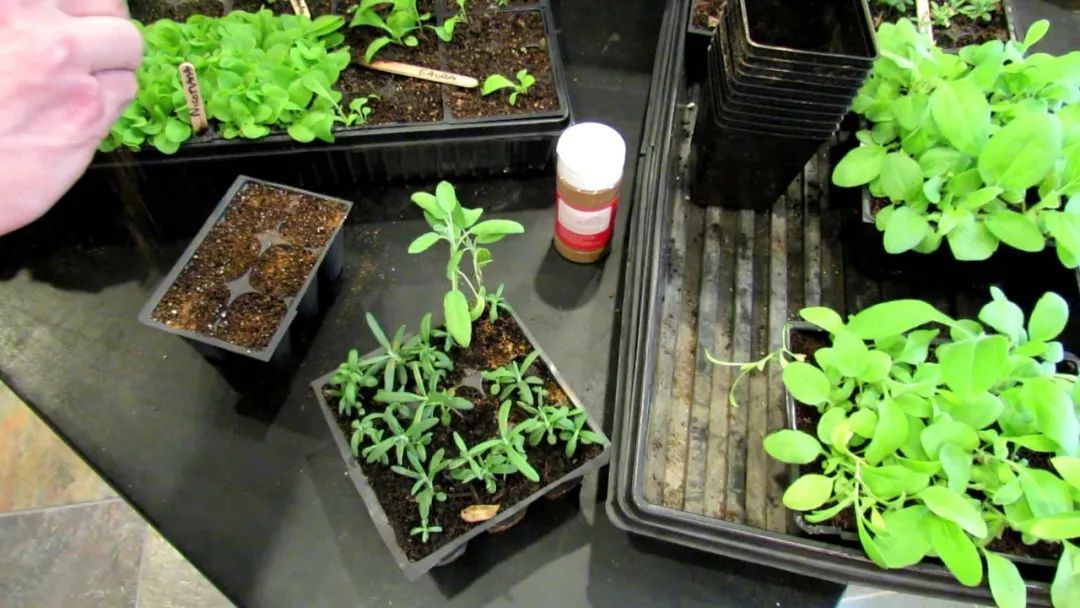
Propagation is mostly done by cuttings. In spring and autumn, select healthy semi-lignified branches, insert them into moist potting soil, and keep them warm and humid for a period of time until they take root and survive. Daily pruning is also very important. Pinching during the seedling stage can encourage side branches to grow. After flowering, cut off spent flowers, dead branches and overly dense branches, which not only keeps the plant shape attractive but also helps it bloom again.
Overall, bleeding heart vine is not particularly difficult to care for. As long as light, water, fertilizer and temperature are well matched, it will bloom successively from spring to autumn. Keep one at home, with its vines gently trailing and red pearls dotted about, and whether placed on a balcony or in a living room, it is a beautiful sight.
Related Reading