Osmanthus Cultivation Techniques and Key Points for Routine Care and Management
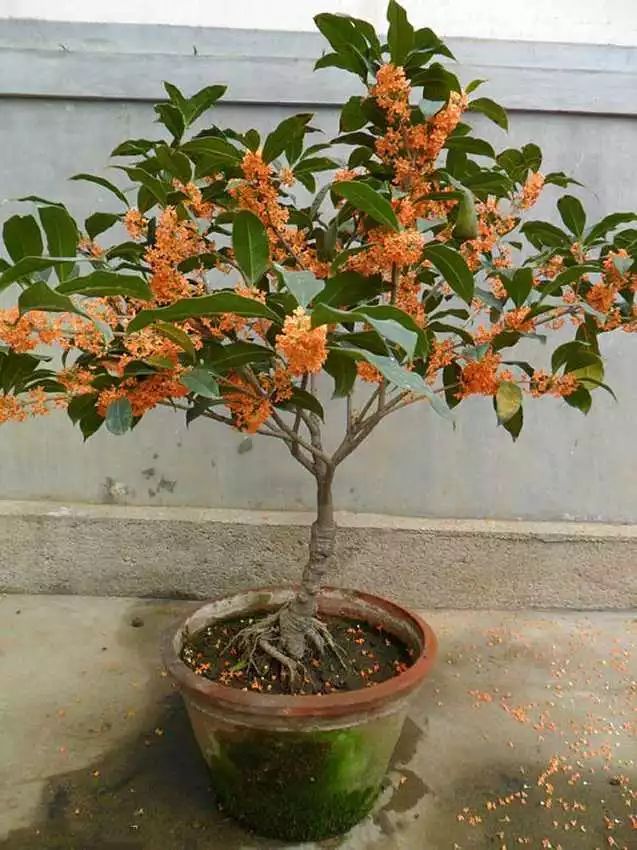
Osmanthus cultivation refers to the process of growing osmanthus into vigorous plants through measures such as seedling raising, transplanting, water and fertilizer management, and pruning. Osmanthus is a traditional fragrant flowering plant in China, evergreen through all four seasons, with a rich fragrance when it blooms in autumn. It can be planted in the ground in courtyards or grown in pots on balconies for viewing, and is deeply loved by flower growers.
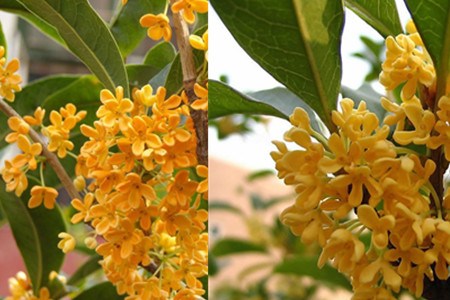
Common cultivated varieties are broadly divided by flower color and blooming period into four groups: Jingu (golden osmanthus), Yingu (silver osmanthus), Dangui (orange osmanthus) and Sijigui (four-season osmanthus). Jingu has golden-yellow flowers and a relatively strong fragrance, Dangui's flowers tend toward orange-red, Yingu's tones are pale, and Sijigui has a longer blooming period with a relatively mild scent. When cultivating, you can choose according to local climate and personal preference.
Osmanthus prefers a warm, humid environment with ample sunlight, and a loose, fertile, well-drained slightly acidic soil is suitable. For ground planting, choose a spot with higher terrain that does not easily accumulate water. For potted plants, a growing medium can be made by mixing leaf mold with garden soil and sandy soil, and drainage at the bottom of the pot must be kept unobstructed. Water according to the principle of watering when dry and withholding when wet, avoiding long-term waterlogging that causes root rot.
During the peak growing season, decomposed organic fertilizer can be applied as a top dressing, and adding phosphorus and potassium fertilizer before flowering helps produce abundant blooms. Prune every year after flowering or in early spring, cutting out dead branches, diseased and weak branches, and overly dense branches to maintain ventilation and light penetration, which also makes the plant shape more attractive. In cold northern regions, protection against the cold is needed in winter; potted plants can be moved indoors or to a wind-sheltered, sunny spot.
A common problem in routine care is yellowing leaves, which is mostly related to overwatering, alkaline soil, or insufficient light, and should be investigated and adjusted promptly. When ventilation is poor, pests such as scale insects are prone to breed; once found, they can be removed by hand along with pesticide control. As long as the environment is suitable and management is proper, osmanthus generally grows well and fills the air with fragrance year after year.
Related Reading