Choosing the right time and good care management for transplanting osmanthus
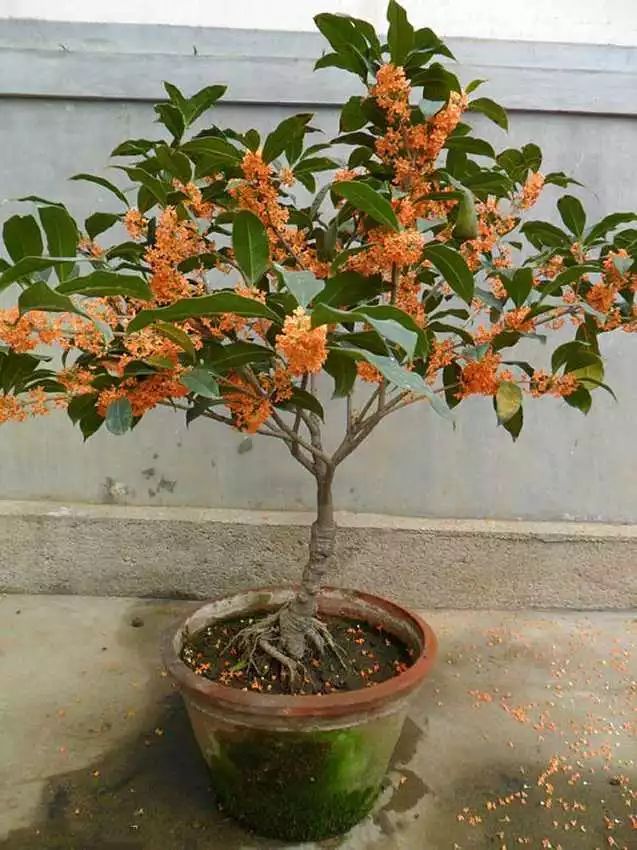
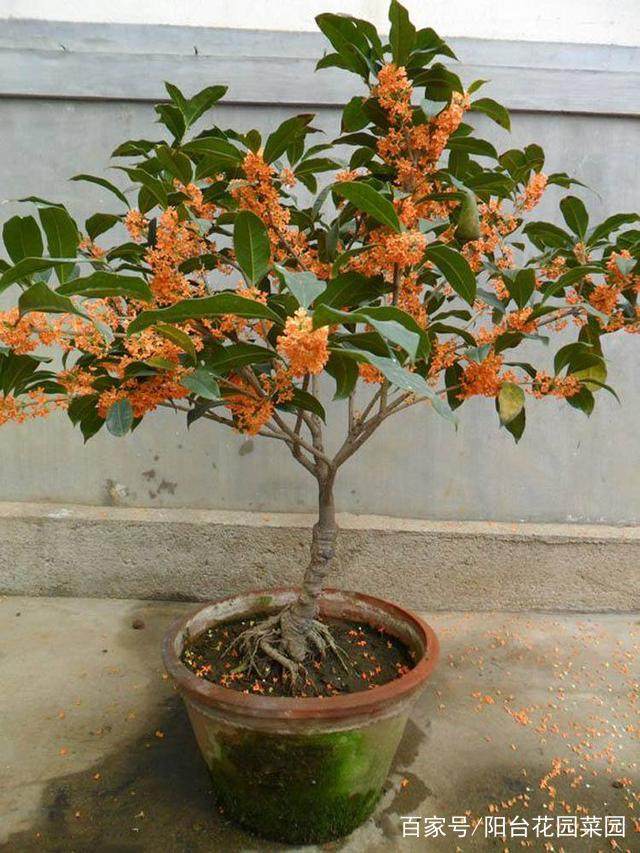
Transplanting osmanthus means digging the plant up from its original growing site and moving it to a new location to replant it. Whether you are moving a ground-planted osmanthus into a pot, repotting a small seedling into a larger pot, or simply adjusting its position in the yard, as long as you go about it the right way, the osmanthus can recover its growth fairly quickly. Understanding the basic steps before transplanting can help you avoid unnecessary detours.
The timing of transplanting is crucial. Generally, it is best done before bud break in spring or after the weather turns cool in autumn, when the tree consumes less energy and the roots have a chance to recover slowly in mild weather. Try to avoid the high heat of summer and the severe cold of winter, so the plant does not struggle to survive because water evaporates too quickly or the soil temperature is too low.
When digging up the seedling, keep as much of the root ball as possible to protect the roots from damage, and the root ball can be simply wrapped with straw rope or cloth strips. If the plant is relatively large, some branches and leaves can be thinned appropriately to reduce water consumption. Plant it at the same depth as before, and after filling in and firming the soil, water thoroughly to settle the roots so they bind closely with the soil.
The care given during the post-transplant recovery period determines the survival rate. A newly planted osmanthus is best placed in a semi-shaded, well-ventilated spot, away from direct sun, with the soil kept moist but not waterlogged. There is no need to rush to fertilize during the recovery period; wait until new shoots emerge and growth becomes stable, then gradually return to normal care. If a few yellow or falling leaves appear at first, this is mostly a normal reaction during the recovery period; if no new buds appear for a long time or the branches shrivel, check whether the roots are waterlogged or damaged, and adjust watering and ventilation promptly.
Related Reading