An Introduction to the Morphological Characteristics and Cultivation and Care Methods of Gladiolus
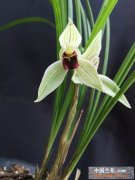
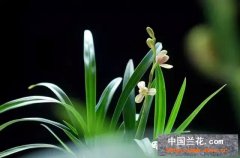
Gladiolus is the common name for plants of the genus Gladiolus in the iris family (Iridaceae), a perennial bulbous herbaceous plant named for its narrow, upright, sword-like leaves and its elegant, orchid-like flowers. It is not a true orchid, a point that flower enthusiasts often misunderstand. Together with roses, chrysanthemums and carnations, gladiolus is known as one of the world's four major cut flowers, and it is very widely used in floral decoration and ceremonial flowers.
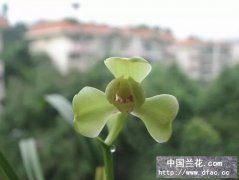
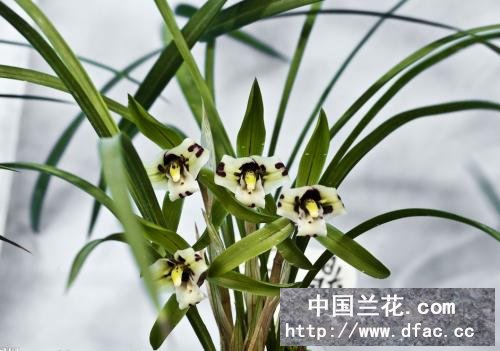
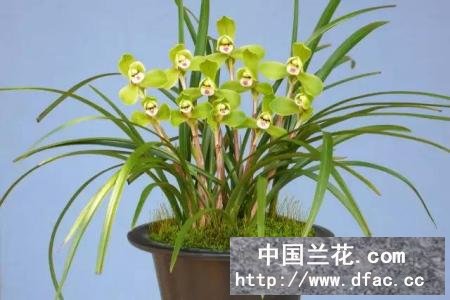
The gladiolus flower stalk is upright and erect, and the flowers on the spike open in succession from bottom to top. Flower colors cover many shades including red, pink, yellow, white and purple, and some varieties also bear spots or stripes. Because the flowers bloom progressively upward along the stem, people often give it the auspicious meaning of rising step by step, and it is a common floral material in flower arrangements and baskets.
The cultivated varieties of gladiolus are extremely rich. By flowering period they can be roughly divided into spring-flowering and summer-flowering types, and by flower size there are also large-flowered and small-flowered types. Different varieties differ noticeably in flower color, flower number and plant height. Growers can choose suitable varieties according to local climate conditions and intended use.
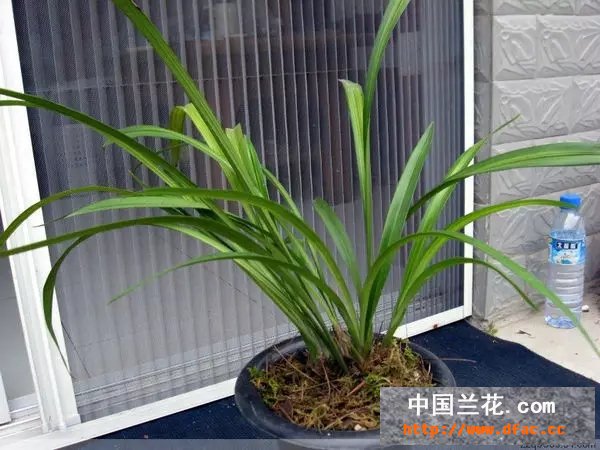
In terms of care, gladiolus prefers a sunny, well-ventilated environment. It is usually propagated by corms and should be planted in loose, airy, well-drained soil. Watering should follow the principle of watering when dry and withholding when wet, avoiding waterlogging that causes the corms to rot. Maintaining sufficient light during the growing period favors flower bud differentiation, while insufficient light tends to produce weak, spindly plants and poor flowering.
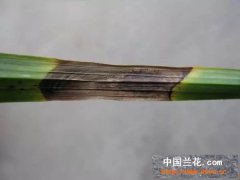
Common problems mainly include moldy, rotting corms and bent flower spikes, which are mostly related to excessive soil moisture or improper storage of the corms. After flowering, the corms should be dried and stored in a cool, ventilated place. As a cut flower, gladiolus has a long vase life; when cutting, leave some buds that have not yet opened, and the ornamental effect will last longer.
Related Reading