Orchid pest and disease identification from pictures and control methods (Part 3)
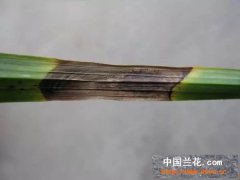
Picture 1 Ring spot disease + anthracnose (Colletotrichum)
Ring spot disease + anthracnose (Colletotrichum) routine preventive spraying:
Pesticide name: 77% Kocide wettable powder; mode of action: broad-spectrum protective fungicide; application method: 1000x solution / 3-4 times / interval 7 days, spray / leaf underside, leaf surface; also prevents: brown spot disease, anthracnose, leaf spot disease, ring spot disease, bacterial brown spot disease;
Pesticide name: 25% Sportak emulsifiable concentrate; mode of action: broad-spectrum fungicide; application method: 1500x / 2-3 times / interval 8 days, spray / leaf underside, leaf surface; also prevents: anthracnose, leaf spot disease, sooty mold, black spot disease, round spot disease, ring spot disease;
Pesticide name: 80% mancozeb wettable powder; mode of action: broad-spectrum protective fungicide; application method: 800x / 3-4 times / interval 6 days, spray / leaf underside, leaf surface; also prevents: anthracnose, leaf spot disease, sooty mold, black spot disease, round spot disease, ring spot disease;
Ring spot disease + anthracnose (Colletotrichum) supplementary notes:
1. Because most of the control formulas for anthracnose are emulsifiable concentrates or mancozeb types, when applying them you must pay attention to the weather temperature and UV index.
2. When the temperature exceeds 30 degrees, avoid using emulsifiable concentrates and copper-based products as much as possible; when the UV index is too high, try to apply the product before 5 a.m. or after 6 p.m.
3. It is recommended that during normal spraying you can choose to mix two fungicide formulas together, so that you can achieve treatment and prevention in multiple aspects.
Picture 2 Ring spot disease + leaf spot disease
Ring spot disease + leaf spot disease routine preventive spraying
Pesticide name: 80% mancozeb wettable powder; mode of action: broad-spectrum protective fungicide; application method: 800x / 3-4 times / interval 6 days, spray / leaf underside, leaf surface; also prevents: anthracnose, leaf spot disease, sooty mold, black spot disease, round spot disease, ring spot disease;
Pesticide name: 77% Kocide wettable powder; mode of action: broad-spectrum protective fungicide; application method: 1000x solution / 3-4 times / interval 7 days, spray / leaf underside, leaf surface; also prevents: brown spot disease, anthracnose, leaf spot disease, ring spot disease, bacterial
Ring spot disease + leaf spot disease supplementary notes: before the leaves of a diseased orchid have dried up, ring spot disease is often mistaken for ordinary leaf spot disease or black spot disease if not examined carefully. Ring spot disease has a wet yellow lesion on the outer ring of the spot, but it is also one of the easier diseases to control.
2. It is recommended that during normal spraying you can choose to mix two fungicide formulas together, so that you can achieve treatment and prevention in multiple aspects.
Picture 3 Mild nutrient deficiency disease (zinc, magnesium, iron)
Mild nutrient deficiency disease (zinc, magnesium, iron) supplementary notes: during regular fertilizing, supplement with some trace elements and fertilizers containing zinc, magnesium, iron and calcium.
Picture 4 Soft rot + black spot disease
Pesticide name: 72% agricultural streptomycin sulfate wettable powder; mode of action: antibiotic fungicide; application method: 800x / 2-3 times / interval 7 days, spray, drench roots; also prevents: bacterial brown spot disease,soft rotdisease;
Soft rot + black spot disease supplementary notes: because this is a condition caused by both fungi and bacteria at the same time, two different fungicides must be mixed and used. Since the two fungicides each have their own concentration dilution when mixed, this often troubles beginner orchid growers. Here is a supplementary explanation again: ratio: 100 jin of water is needed, use the bacterial-control streptomycin sulfate at 500x mixed with the fungal-control carbendazim at 1000x.
1. 100 jin of water at streptomycin sulfate 500x means streptomycin sulfate needs to be added in an amount of 100 grams.
2. 100 jin of water at carbendazim 1000x means carbendazim needs to be added in an amount of 50 grams.
3. That is, using 100 grams of streptomycin sulfate equals (500x) + 50 grams of carbendazim equals (1000x), put both into 100 jin of water and mix for use; only this counts as the correct pesticide dosage preparation.
Picture 5 Leaf tip anthracnose + leaf blight
Leaf tip anthracnose + leaf blight routine preventive spraying
Pesticide name: 25% propiconazole emulsifiable concentrate; mode of action: broad-spectrum systemic fungicide; application method: 1500x / 2-3 times / interval 8 days, spray / leaf underside, leaf surface; also prevents: brown spot disease, round spot disease, anthracnose, leaf spot disease, leaf tip blight;
Pesticide name: 10% Score water-dispersible granules; mode of action: broad-spectrum systemic fungicide; application method: 3000x / 2-3 times / interval 8 days, spray / leaf underside, leaf surface; also prevents: brown spot disease, leaf spot disease, black spot disease, round spot disease, leaf blight, ring spot disease, leaf tip blight, sooty mold;
Leaf tip anthracnose + leaf blight supplementary notes: because this is a cross co-infection of two pathogens, it is recommended to use two fungicides for relatively simple control. The method of mixing the two fungicides is repeated here.
When two disease conditions occur at the same time, two different fungicides must be mixed and used. Since the two fungicides each have their own concentration dilution when mixed, this often troubles beginner orchid growers. Here is a supplementary explanation again: ratio: 100 jin of water is needed, use the bacterial-control streptomycin sulfate at 500x mixed with the fungal-control carbendazim at 1000x.
1. 100 jin of water at streptomycin sulfate 500x means streptomycin sulfate needs to be added in an amount of 100 grams.
2. 100 jin of water at carbendazim 1000x means carbendazim needs to be added in an amount of 50 grams.
3. That is, using 100 grams of streptomycin sulfate equals (500x) + 50 grams of carbendazim equals (1000x), put both into 100 jin of water and mix for use; only this counts as the correct pesticide dosage preparation.
Picture 6 Leaf margin black spot disease
Leaf margin black spot disease routine preventive spraying
Pesticide name: 80% mancozeb wettable powder; mode of action: broad-spectrum protective fungicide; application method: 800x / 3-4 times / interval 6 days, spray / leaf underside, leaf surface; also prevents: anthracnose, leaf spot disease, sooty mold, black spot disease, round spot disease, ring spot disease.
Pesticide name: 10% Score water-dispersible granules; mode of action: broad-spectrum systemic fungicide; application method: 3000x / 2-3 times / interval 8 days, spray / leaf underside, leaf surface; also prevents: brown spot disease, leaf spot disease, black spot disease, round spot disease, leaf blight, ring spot disease, leaf tip blight, sooty mold;
Pesticide name: 25% Sportak emulsifiable concentrate; mode of action: broad-spectrum fungicide; application method: 1500x / 2-3 times / interval 8 days, spray / leaf underside, leaf surface; also prevents: anthracnose, leaf spot disease, sooty mold, black spot disease, round spot disease, ring spot disease;
Pesticide name: 50% Sporgon wettable powder; mode of action: broad-spectrum fungicide; application method: 2000x / 2-3 times / interval 8 days, spray / leaf underside, leaf surface; also prevents: anthracnose, leaf spot disease, sooty mold, black spot disease, round spot disease, ring spot disease;
Leaf margin black spot disease supplementary notes: actually there are manyorchidleaf diseases for which the fungicides used are of similar nature, but as our professional introduction we have no choice but to present all the disease conditions for orchid growers to understand. In general, when choosing fungicides, broad-spectrum and systemic pesticides of the two types are the best.
Experience reminder: in my experience, the key work when buying pesticides is to choose manufacturers with good reputation and clearly labeled ingredients, so as to avoid the psychological comfort of thinking you have already sterilized, only to find the ingredients are fake, causing the disease to go uncontrolled and missing the golden time for treatment.
Experience reminder: the second thing that causes harm is: thinking these pesticides may have insufficient labeled ingredients, so instead increasing the concentration and dilution, only to find that this time you bought the real product, and as a result once the dilution was increased, it caused severe pesticide damage. Haha! You can only remain speechless and ask heaven.
Picture 7 Blight disease
Blight disease routine preventive spraying
Pesticide name: 72% Curzate wettable powder; mode of action: systemic fungicide; application method: 1500x solution / 2-3 times / interval 10 days, drench root and stem; also prevents: blight disease
Pesticide name: 50% Acrobat wettable powder; mode of action: systemic fungicide; application method: 12500x / 2-3 times / interval 10 days, drench root and stem; also prevents: blight disease
Blight disease treatment supplementary notes:
1. During the peak incidence period, continuous preventive spraying must be used. Having understood the characteristics of stem rot, we can only use targeted fungicides.
2. 72% agricultural streptomycin sulfate soluble powder 800x solution, 77% Kocide powder 1000x solution, spray leaf underside, leaf surface, crown
3. Milcurb (emulsifiable concentrate) 1500x + tetracycline (powder) 2000x + dimethomorph (powder) 2000x solution, spray leaf underside, leaf surface, crown
4. Antracol 500x + Milcurb 1500x + streptomycin sulfate 500x solution, spray leaf underside, leaf surface, crown
(When applying fertilizer or pesticide, you must spray the leaf underside, because plants absorb through the stomata on the leaf underside.)
5. About every 20 days, use Dexon 800x + tetracycline 3000x solution to thoroughly drench the roots.
6. Fungicides must be alternated and rotated so as not to produce resistance and delay the disease.