Chive cultivation: focus on propagation and transplanting, plus water and fertilizer management
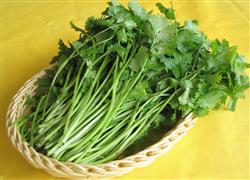
Chives (Allium schoenoprasum) are a perennial herb in the genus Allium, with slender, hollow leaves and a fresh, delicate aroma; they are a type of small scallion used very frequently in everyday seasoning. They are highly adaptable, tolerant of both cold and heat, and can be harvested repeatedly from a single planting, making them suitable for field production as well as home vegetable gardens and balcony containers.
Chives can be grown either from seed or by division, and division takes effect quickly, making it the method commonly used in production. When dividing, split the mother plant into several small clumps, keeping healthy roots and bulbs in each clump, and plant them at a reasonable spacing between plants and rows; after planting, water thoroughly and keep the soil moist, and growth resumes once the plants have recovered from transplanting. When raising seedlings by sowing, the seedbed should be worked fine and leveled, kept moist after sowing, thinned appropriately after emergence, and the seedlings transplanted once their growth is stable.
The key to management during the growing period is water and fertilizer. Chives like moisture but fear waterlogging, so watering should follow the principle of letting the soil dry between waterings, and drainage should be prompt after rain to avoid root rot. Topdressing should mainly use well-rotted, diluted farmyard manure or an appropriate amount of nitrogen fertilizer, applied lightly and often, with one application after each harvest to help the leaves regrow. Routine loosening of the soil and weeding, along with keeping the field well ventilated and lit, can reduce the occurrence of pests and diseases.
Harvesting can be done in batches, cutting the leaves and leaving stubble so the plants continue to tiller and grow. If the leaves turn yellow and growth weakens, it is usually related to waterlogging, lack of fertilizer or overly dense planting; prompt drainage, supplementary fertilizing and appropriate thinning generally restore them. For plots that have been planted for many years, crop rotation should also be practiced to reduce the buildup of soil-borne diseases.
Related reading