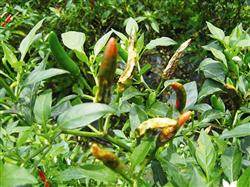
Common Causes of Flower and Fruit Drop in Peppers and Comprehensive Control Methods
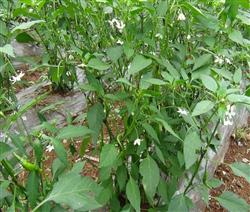
Flower and fruit drop in peppers refers to the phenomenon in which buds, flowers and young fruits drop in large numbers before they mature during the flowering and fruit-setting period, and it is a common physiological disorder in pepper cultivation. When shedding is severe, the fruit-setting rate drops noticeably, directly affecting later yield and growing returns, and it can occur in both open-field and greenhouse cultivation.
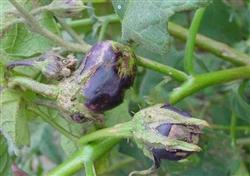
The causes of flower and fruit drop are fairly complex. First, unsuitable temperatures: when the flowering period encounters high or low temperatures, pollen viability declines and pollination and fertilization are poor. Second, insufficient light: under prolonged rainy and overcast weather, the plant produces fewer photosynthetic products, and the flowers and fruits do not receive an adequate nutrient supply. Third, water imbalance: soil that is too dry, or waterlogged roots from standing water, can both cause shedding. In addition, excessive nitrogen fertilizer leading to rank growth, planting density that is too high with poor ventilation and light penetration, deficiency of boron and other secondary and micro elements, as well as damage from diseases and pests such as viral disease, anthracnose and tobacco budworm, can also worsen flower and fruit drop.
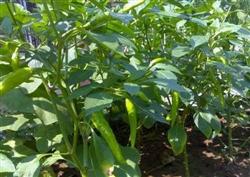
In practice, prevention should be the main approach, starting with raising strong seedlings, choosing varieties with relatively strong stress resistance, planting at a reasonable density, and keeping the field well ventilated and well lit. In water and fertilizer management, nitrogen fertilizer should be controlled and phosphorus and potassium fertilizers increased, and during the flowering and fruit-setting period boron and other secondary and micro elements can be supplemented by foliar spray. In protected cultivation, attention should be paid to timely ventilation for cooling or to keeping warm, avoiding drastic changes in temperature and humidity inside the greenhouse. At the same time, monitoring and control of diseases and pests such as viral disease, anthracnose and tobacco budworm should be carried out well, and when necessary, plant growth regulators for preserving flowers and fruits can be used under the guidance of local technical departments.
Judging from the patterns of occurrence, flower and fruit drop is most likely to occur during the low-temperature, rainy periods in spring and the high-temperature, strong-light periods in summer. If shedding in the field suddenly worsens, the temperature, light, water and fertilizer conditions and the disease and pest situation should first be investigated, and once the cause is identified, management measures should be adjusted accordingly, so as to avoid greater losses from blind pesticide use.
Related Reading