Jiaogua Planting Techniques: Master the Key Points of Seedling Raising, Transplanting and Field Management
Jiaogua is the common name for zucchini in many northern regions; it is an annual herbaceous vegetable of the genus Cucurbita in the gourd family (Cucurbitaceae), grown for its tender fruit. The fruit is mostly oblong-cylindrical, with skin colors ranging from light green to dark green or patterned types; the flesh is tender and fine, and it can be eaten in many ways, making it a common home-grown gourd vegetable.
Jiaogua prefers warmth and cannot tolerate frost. Its growing period is relatively short and its adaptability is fairly strong; it is not demanding about soil, with loose, fertile, well-drained loam being best. Temperatures that are too low or too high can easily affect flowering and fruit set, so in production the sowing is mostly arranged in a suitable crop season according to the local climate.
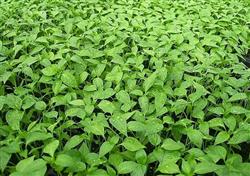
When planting, the seed is generally selected and sun-dried first, then soaked and pre-germinated before sowing and raising seedlings; direct hole sowing is also possible. The seedling age should not be too long, so as to avoid forming leggy seedlings. Before transplanting, sufficient decomposed organic fertilizer should be applied as a base fertilizer, and cultivation should be done on ridges or in beds, with plant and row spacing leaving room for ventilation and light. In the early growth stage, water should be controlled appropriately to encourage sturdy seedling growth; after entering the fruiting stage, fertilizer and water supply should be strengthened, and harvesting should be done in batches to prevent too many fruits from weighing down the vines.
Common field problems include powdery mildew, downy mildew, viral diseases, and damage from aphids, whiteflies and the like. In management, attention should be paid to ventilation and reducing humidity, reasonable crop rotation, and timely removal of diseased leaves and leftover plants. Flower drop and fruit abortion are mostly related to unsuitable temperatures, poor pollination or nutrient imbalance, and can be improved by adjusting temperature and humidity, assisting pollination, and balanced topdressing.
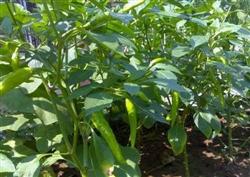
Jiaogua is mainly harvested for its tender fruit; generally, the fruits are picked in batches when they have grown to a moderate size and the skin is still tender. If harvested too late, the skin becomes hard and eating quality declines. Overall, jiaogua cultivation and management are relatively simple, and fruiting is concentrated; as long as temperature, light, water and fertilizer regulation and pest and disease control are handled well, a good harvest can be obtained.
Related Reading