Phalaenopsis Variety Characteristics and Home Care Methods
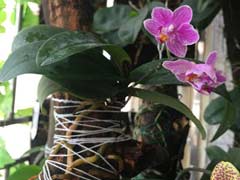
Phalaenopsis is the collective name for plants in the genus Phalaenopsis of the orchid family (Orchidaceae). It gets its name because its flowers resemble butterflies with spread wings, and it is a very popular type of ornamental flower among orchids. It is native to tropical and subtropical regions, often growing epiphytically on tree trunks or rocks, and it prefers a warm, humid environment with plenty of diffused light.
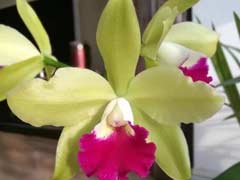
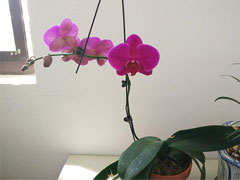
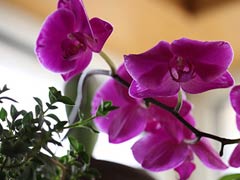
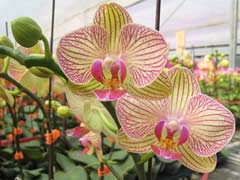
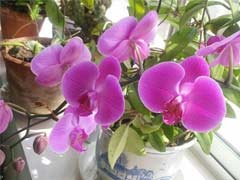
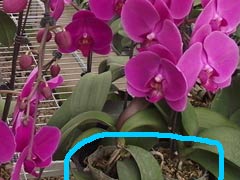
Within the orchid family, Phalaenopsis is usually classified among the tropical orchids, and it differs clearly from Chinese orchids (Cymbidium) in morphology and habits. Phalaenopsis comes in a rich range of flower colors, with common ones including white, pink, purple, and bicolor varieties with markings. The flowers are large and long-lasting, making them suitable for placement in indoor spaces such as living rooms and studies.
When caring for Phalaenopsis at home, the growing medium is very important. Ordinary garden soil is generally not used; instead, loose, breathable materials such as sphagnum moss, bark, and tree-fern fiber are mostly chosen, as they both retain water and allow the roots to breathe. The placement location should have bright, diffused light, avoiding direct sunlight, while also keeping the environment well ventilated. In winter, when temperatures are low, attention should be paid to cold protection.
In terms of water and fertilizer management, Phalaenopsis is afraid of waterlogging, so watering should follow the principle of watering when dry and letting it dry between waterings. During the growing period, a small amount of diluted liquid fertilizer can be applied, and the concentration should not be too high, so as not to damage the roots. After flowering, promptly cut off the spent flowers and flower stalks, allowing the plant to rest properly, which helps it accumulate nutrients and bloom again.
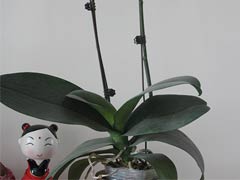
Many beginners wonder whether Phalaenopsis is easy to grow. In fact, as long as you master the key points of temperature, light, humidity, and medium, it is not considered difficult to grow. By regularly observing the condition of the leaves and roots, and promptly adjusting care methods when yellowing, softening, and other conditions are found, you can keep Phalaenopsis healthy for a long time.
Related Reading