Introduction to the Growth Habits of Phalaenopsis and Home Care Methods
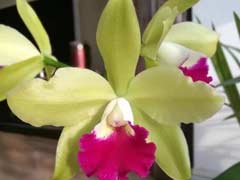
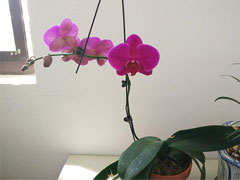
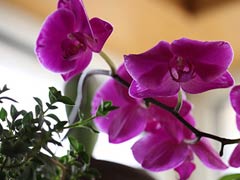
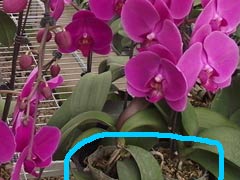
Phalaenopsis, also known as the moth orchid, is the collective name for plants in the genus Phalaenopsis of the orchid family (Orchidaceae), and is also one of the most representative groups among tropical orchids. It gets its name because its open flowers resemble dancing butterflies. The flower colors are rich, including white, pink, red, yellow, and bi-colored varieties with stripes and spots, giving it high ornamental value.
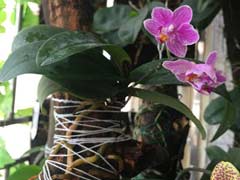
In terms of habits, Phalaenopsis is an epiphytic orchid, and in its native environment it mostly grows attached to tree trunks or rocks. Its roots are thick and belong to the aerial root type; besides anchoring the plant, they can also absorb water and nutrients from the air. The leaves are thick and broad, and the flower stalk emerges from between the leaf axils, with the flowers arranged in sequence. A single flower can remain ornamental for several weeks, and the overall flowering period is relatively long.
There are many cultivated varieties, which can be broadly divided into series such as large-flowered, small-flowered, and spotted-flowered types. Among them, the white large-flowered variety is the most classic and is often placed as a Lunar New Year flower in living rooms, studies, and other places, adding an elegant atmosphere to the home.
Caring for Phalaenopsis requires simulating its native environment. It likes warmth, humidity, and bright indirect light, and dislikes direct strong sunlight. In winter, attention must be paid to keeping it warm. The growing medium should be loose, breathable materials such as bark and sphagnum moss; ordinary garden soil cannot be used to plant it directly. Watering should follow the principle of watering when dry and stopping when wet, and during the growing season a thin fertilizer can be applied frequently. After flowering, cut off the spent flower stalk and let the plant rest properly, which helps it accumulate nutrients for blooming again.
The most common problem in daily management is root rot, mostly caused by overly frequent watering and the medium staying wet for a long time, showing up as soft and yellowing leaves. As long as the environment is kept ventilated and moisture is well controlled, Phalaenopsis is not difficult to grow, and beginners can gradually master the tricks of it.
Related Reading