Showa Sanshoku Koi: Characteristics, Appreciation and Keeping Guide
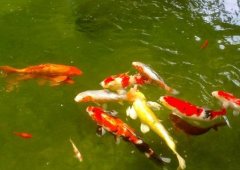
The Showa Sanshoku koi is an important variety of koi, and together with the Kohaku and the Taisho Sanke it is known as one of the three great koi varieties. It gets its name from having been bred and fixed during the Showa era in Japan. Its base is black, with crimson and white markings distributed over the body; the three colors interweave in clearly defined layers, giving it high ornamental value and making it much loved by koi enthusiasts.
Appreciating a Showa Sanshoku mainly comes down to the distribution of its black markings. Its sumi (black) patches often appear on the head, and the base of the pectoral fins usually carries round black spots, commonly called motoguro, while the black can cross the dorsal midline and wrap around the whole body; this is the most obvious difference between it and the Taisho Sanke. A high-quality specimen generally requires clean white, vivid crimson and deep, lacquer-black sumi, with the red and black markings laid out in balance and an overall pattern full of bold character.
As for keeping, the Showa Sanshoku has habits similar to other koi and does best in water that is clean and rich in dissolved oxygen; keeping the water temperature stable is important for its health and color development. Daily feeding should be regular and measured; when the temperature is on the low side, feeding can be reduced appropriately to avoid leftover food fouling the water. Regular water changes and good maintenance of the filtration system are the key to keeping the body color bright and promoting growth.
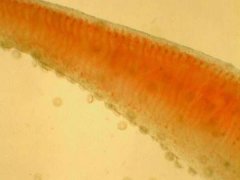
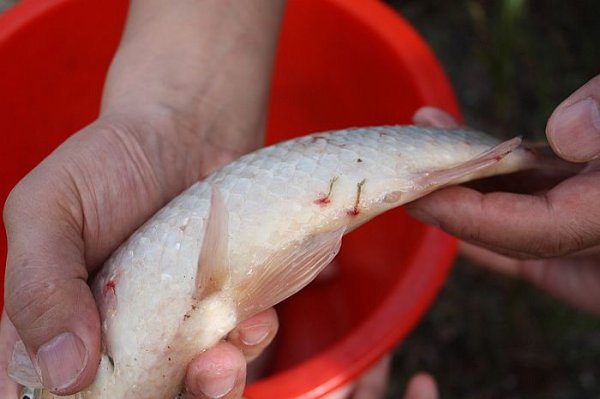
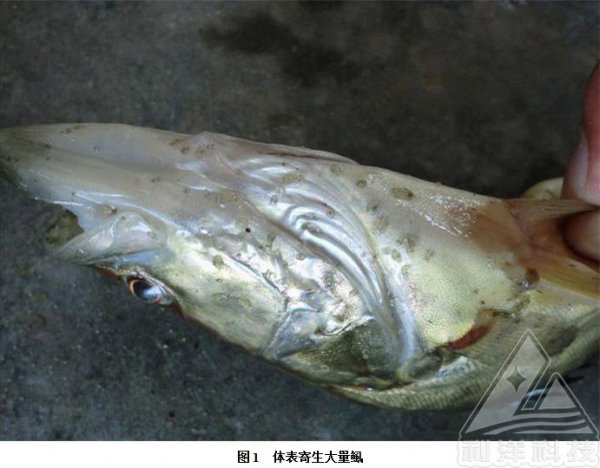
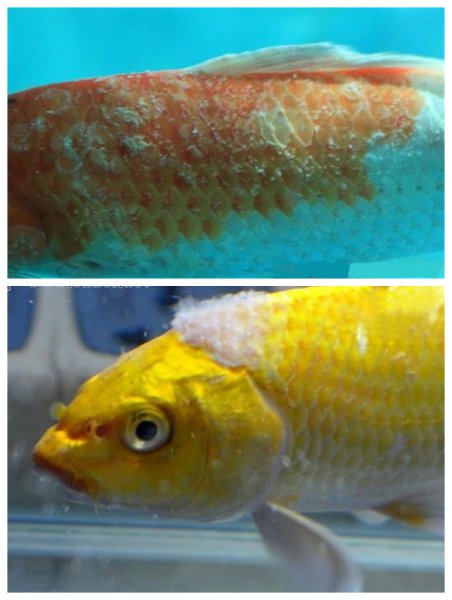
In day-to-day care, the Showa Sanshoku may also run into common parasite problems such as white spot disease, anchor worms (Lernaea) and trichodinids (Trichodina). If the fish is seen scraping against the tank, gasping at the surface, or showing abnormalities on the body surface such as a white film or congestion, it should be isolated for observation and treated according to the symptoms. Get water quality and feeding right, and it will grow well and become a highly ornamental member of a garden pond.
Related Reading