An Introduction to the Characteristics of the Hi Showa Koi Variety and Its Daily Care Methods
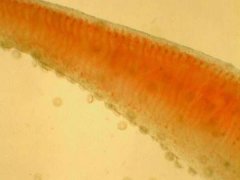
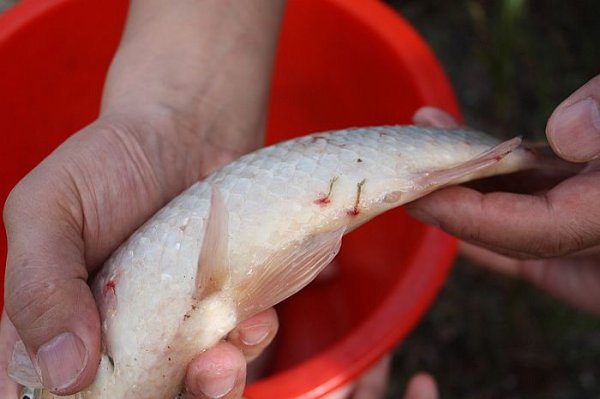
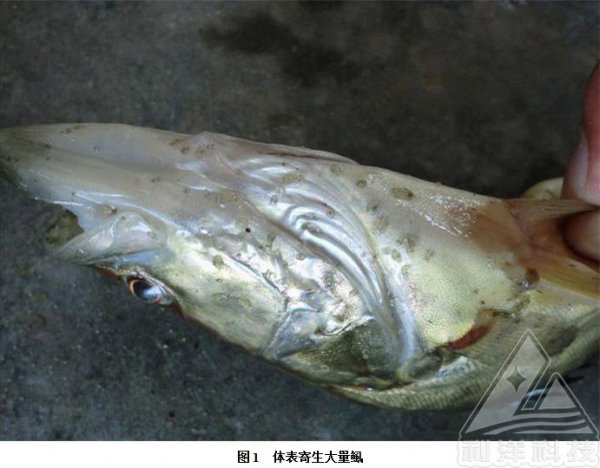
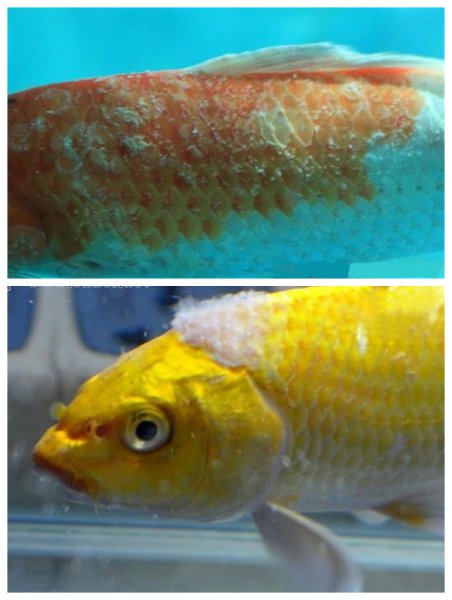
Hi Showa is a distinctive color pattern within the Showa Sanshoku system, with the whole body dominated by red and black, and white markings extremely few or nearly absent. It shares the same origin as the standard Showa Sanshoku and likewise carries the typical sumi (black) markings of Showa-line koi, differing only in a clear shift in the proportion of colors. Because it usually still retains a small amount of white ground, it is generally still classified in the Showa Sanshoku category in ornamental fish judging. Many hobbyists easily confuse Hi Showa with Hi Utsuri, and the key difference between the two lies in the presence or absence of white ground. Hi Showa usually still shows scattered white patches on its body, whereas when the white ground has completely degenerated and only red and black remain, it is more often called Hi Utsuri. Therefore, when judging, the main thing to look at is whether any white base remains, not the shape of the red and black patches. Appreciation of Hi Showa generally starts from three aspects: the red should be deep, vivid and even, with clearly defined edges to the patches; the sumi should be jet-black and glossy, and the base of the pectoral fins should ideally show motoguro; the red markings on the head should be open and bright, and the overall distribution of red and black should be harmonious. The larger the body is grown, the more imposing the pattern becomes, which is one of the reasons it is favored by experienced hobbyists. Its care methods are similar to those for ordinary koi: keeping the water clean and the filtration system running well is the prerequisite, feeding should be done on a regular schedule and in fixed amounts, and leftover food should be avoided so it does not foul the water. When the temperature difference is large in spring and autumn, the fish's resistance declines and parasitic problems such as white spot disease and anchor worms are prone to breaking out, so new fish are best quarantined and observed for a period before being added to the pond. In daily care, if flashing, gasping at the surface or abnormalities on the body surface are noticed, they should be checked and dealt with promptly. With frequent observation and stable water quality, both the red and the sumi of Hi Showa will appear more stable.
Related Reading