A Detailed Guide to the Characteristics and Keeping of the Patchwork Gold Koi
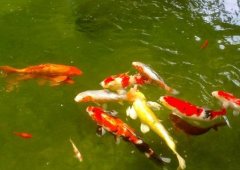
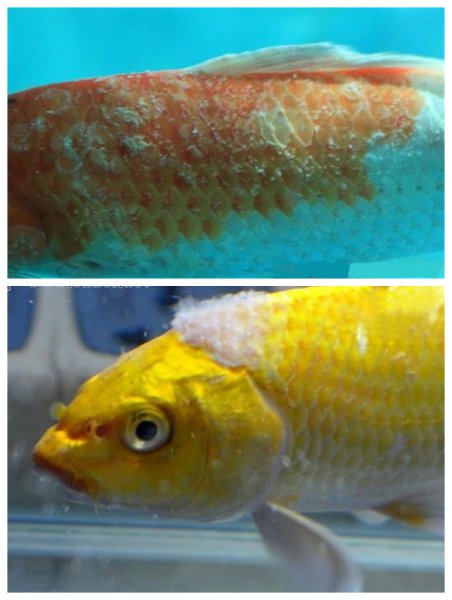
The Patchwork Gold Koi is a highly representative variety among gold koi and belongs to the metallic-scaled koi group with a metallic sheen. Its body surface is covered with large metallic-looking scales; the back and flanks are bright golden yellow, while the belly is silvery white. The boundary between the gold and the silvery white is sharply defined, as if the two colours were patched together, which is how the name "patchwork" came about.
The most striking feature of this variety is its glossiness. In high-quality Patchwork Gold Koi, the scales are neat and dense, and the metallic sheen is evenly distributed from the head to the back, producing a golden glowing effect in the light. As the fish swims, the golden back and the silvery white belly flash alternately, giving it strong ornamental appeal, and it is often kept as the main viewing fish in ponds or large bodies of water.
In terms of keeping, the Patchwork Gold Koi is fairly robust and easy for beginners, but if you want to bring out a beautiful sheen, water quality is the key. Excessively high ammonia nitrogen or nitrite levels, or long-term cloudiness in the water, will dull the body colour and worsen the sheen, so the filtration system must be kept running properly and the water changed regularly. Feeding should mainly use special compound koi feed, given at fixed times and in fixed amounts, and feeding should be reduced in seasons when the water temperature is on the low side.
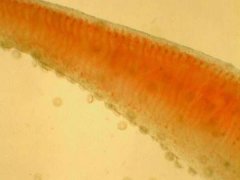
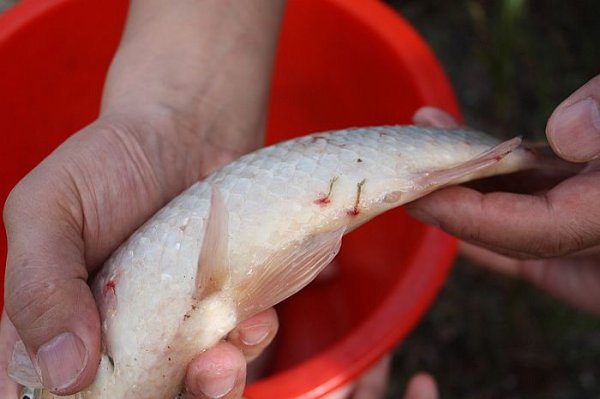
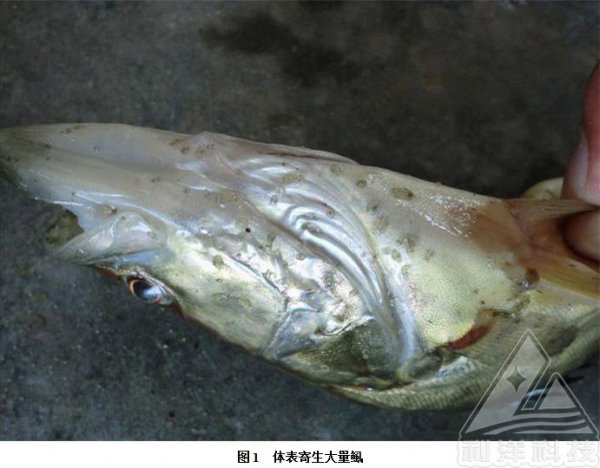
In daily management, attention should also be paid to disease prevention. Parasite problems such as white spot disease, Chilodonella, and Lernaea are more likely to occur during seasonal changes or when water quality fluctuates, so new fish are best quarantined and observed for a period before being added to the pond. If fish are found frequently rubbing against the tank, losing appetite, or showing abnormal white spots or redness and swelling on the body surface, they should be examined and treated promptly. By managing water quality and feeding well in normal times, the probability of disease can be greatly reduced.
Related Reading