A Detailed Guide to the Characteristics and Raising of the Pale Yellow Koi
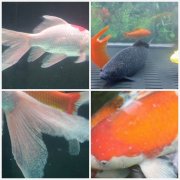
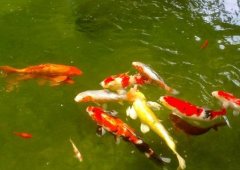
The pale yellow koi is usually classified among the pale yellow koi varieties, named for its light body color, like a pale yellow tone showing through clear water. Its back is often light blue-gray to pale yellow, with neatly arranged scales that reveal a clear net-like pattern under the light, while the belly and the base of the fins tend to show a pale red or orange tint, giving an overall elegant and clean appearance.
Compared with intensely colored varieties such as Kohaku and Taisho Sanke, the pale yellow koi takes the elegant route, and a darker or greener pond water background better sets off its body color. Its color is not fixed; water quality, light and nutrition all affect color development. When the environment is stable the body color is clear and translucent, while poor water quality tends to make it dull or faded.
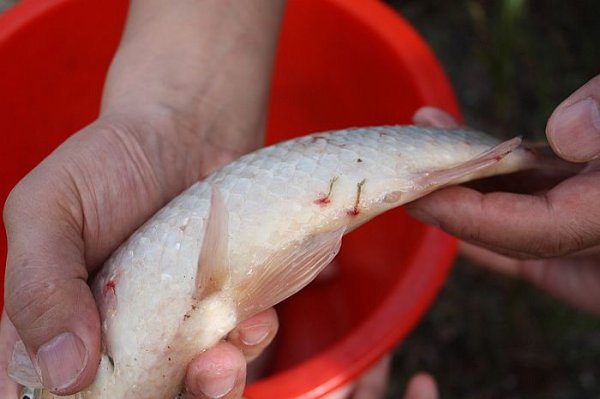
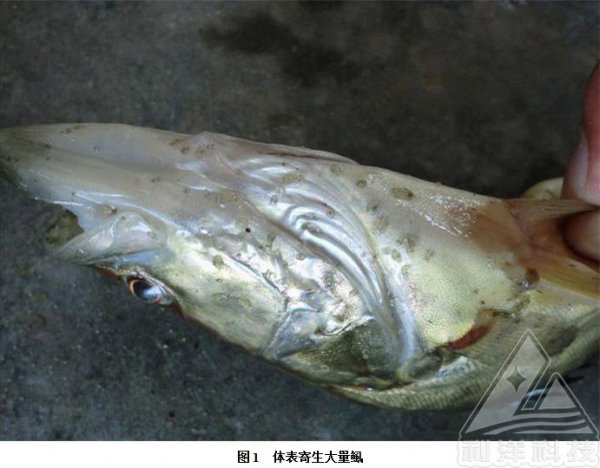
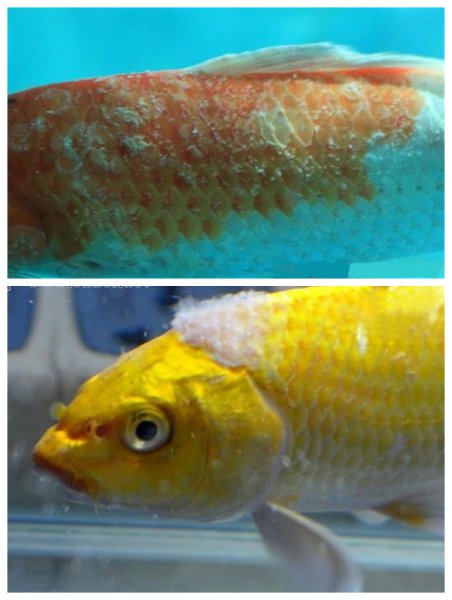
As for raising them, the pale yellow koi has basically the same requirements as other koi, and the key is maintaining water quality. The pond or tank needs sufficient filtration capacity, and water changes should be done regularly in small amounts, avoiding drastic fluctuations in water temperature. Feeding should mainly use high-quality compound feed, in small amounts and more frequently, and feeding should be reduced when the water temperature is low. Before new fish are added to the pond, it is best to isolate and observe them for a period, and in daily care pay attention to whether the body surface shows white spots, redness, swelling, parasites, or abnormal behavior such as rubbing against the tank or pond; early detection and early treatment will save a lot of trouble.
When selecting one, focus on whether the scales are neat, whether the net-like pattern is clear, whether the color tone is even, and whether the swimming posture is steady. Overall, this variety is fairly hardy and easy to keep; as long as the water quality is stable and feeding is moderate, it can maintain a good ornamental condition for a long time.
Related Reading