The four-step red-and-white koi is a classic type among red-and-white koi
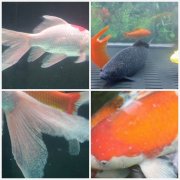
The four-step red-and-white koi is a type of red-and-white koi classified by the number of red patches, referring to individuals with four red patches distributed on a pure white body. Its base color is snow white, and the red markings are roughly divided into four sections from head to tail, forming together with the two-step red-and-white and three-step red-and-white the several common forms of red-and-white koi. Because of the larger number of red patches, the four-step red-and-white places more emphasis on the overall sense of balance in the arrangement of the markings.
When appreciating this type of koi, attention is generally paid to the position, shape and quality of the red patches. An ideal individual has clearly separated red patches with neat edges, deep and even red color, and a pure white base free of stray colors. The head should preferably have a red patch that does not cover the eyes or cheeks, and it is best to retain a red patch at the caudal peduncle as well, so that the front and rear markings echo each other and the whole appears well-proportioned and harmonious.
In terms of keeping, the four-step red-and-white has habits similar to other koi and is suitable for stocking in ponds or large aquariums with ample water volume and a well-developed filtration system. In daily care, keep the water clean, change the water regularly, feed a nutritionally balanced specialized diet and control the amount of food to avoid leftover bait spoiling the water quality. When the seasons change and during hot periods, koi are prone to common diseases such as white spot disease and parasites, so observe them frequently in normal times and isolate and treat any abnormal fish as early as possible.
Red-and-white koi hold a very high status in koi appreciation culture and are often regarded as one of the most representative categories. A four-step red-and-white with an excellent arrangement of red patches can both display the elegant temperament of the variety and serve as a visual focal point in a courtyard pond, and is deeply loved by ornamental fish enthusiasts.
Related Reading